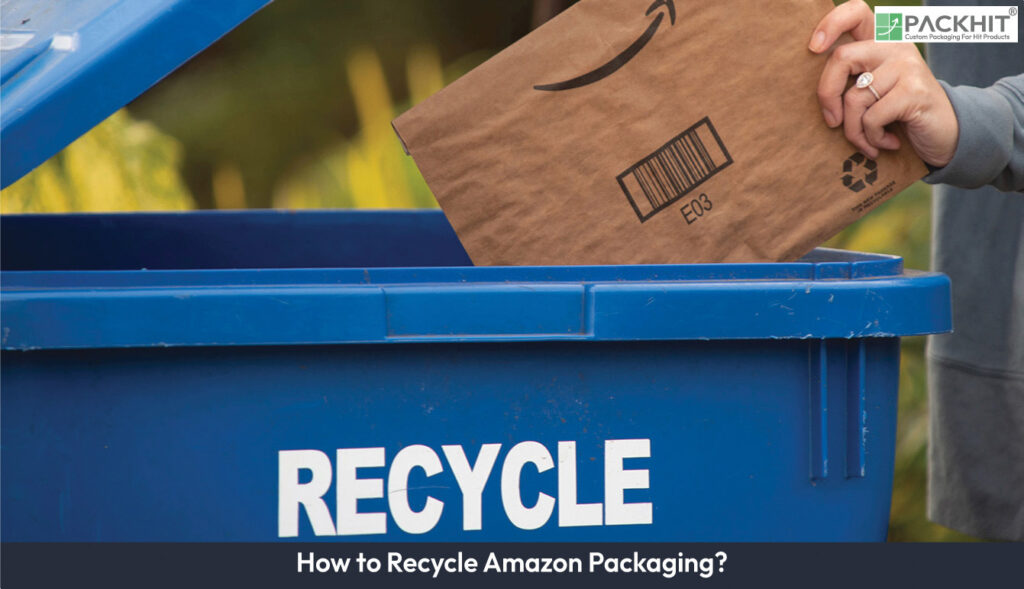
Amazon packaging recycling depends on the material used, how the packaging is prepared, and the recycling facilities available in the region. Corrugated cardboard, kraft paper mailers, and paper-based envelopes are generally easier to recycle, while plastic films and mixed-material packaging may require specialized disposal. Proper preparation, including removing contaminants and following local recycling instructions, helps keep materials in suitable recycling streams.
- How to Prepare Amazon Packaging for Recycling?
- Step 1: Remove Adhesives
- Step 2: Flatten or Compress Packaging
- Step 3: Clean Contaminants
- Step 4: Separate Material Types
- Step 5: Check Local Recycling Requirements
- Recyclable Types of Amazon Packaging
- Corrugated Cardboard Boxes
- Kraft Paper Mailers
- Padded Paper Envelopes
- Plastic Film Packaging
- Mixed-Material Packaging
- What Makes Amazon Packaging Eco-Friendly?
- How Do Recycling Guidelines for Amazon Packaging Differ by Region?
- Why Should Manufacturers Care About Amazon Packaging Recycling?
How to Prepare Amazon Packaging for Recycling?
Prepare Amazon packaging by separating paper fibers, plastic film, padded layers, and other attached materials before disposal. Remove labels and tape, keep paperboard dry, flatten empty boxes, and check the local collection route. The steps below cover corrugated cardboard boxes, kraft-paper mailers, padded paper envelopes, polyethylene plastic films, and mixed-material packaging. A recycling provider decides acceptance from the package composition, contamination level, and collection equipment available in that service area.
Step 1: Remove Adhesives
Remove shipping labels, plastic tape, adhesive strips, and binding materials from the packaging. Pull out staples and metal fasteners when removal does not tear the fiber substantially. Small tape remnants may pass through some paper-sorting systems, but removing tape reduces non-fiber material in the cardboard stream. If a label covers a large printed area or has a plastic film coating, follow the local provider’s preparation rule rather than placing it automatically in the paper bin.
Step 2: Flatten or Compress Packaging
Flatten corrugated boxes, kraft-paper mailers, and padded paper envelopes after removing their contents. Fold large sheets without tearing them into small pieces, and follow the collection program’s limits for box dimensions and bundle size. Flattening reduces storage and transport volume, but it does not change the material’s recycling category.
Step 3: Clean Contaminants
Remove food residue, liquids, grease, soil, and loose contents before sorting the packaging. Dry paper and cardboard enter fiber-recycling equipment more readily than wet or oil-soiled material. Discard packaging that remains saturated or heavily contaminated if the local program excludes it from the paper stream. Do not rinse paperboard when washing leaves the fibers wet or spreads residue through the collection container.
Step 4: Separate Material Types
Separate corrugated cardboard, plain paper, plastic film, padded paper, and composite packaging before disposal. A plain kraft-paper mailer follows a different material route from a paper mailer with a polyethylene bubble lining. Remove a detachable plastic window or film layer when the package design permits it. Do not place plastic films, shipping bags, or flexible polyethylene packaging in curbside recycling unless the local program expressly accepts that material. Plastic film commonly requires a store-based or specialized drop-off route because flexible film can wrap around sorting equipment. For manufacturers, record the package’s material structure, including paper fiber, polyethylene film, adhesive, and padding, before assigning a recycling instruction or claim.
Step 5: Check Local Recycling Requirements
Confirm the accepted materials, preparation rules, contamination criteria, and drop-off location with the relevant recycling provider before changing packaging specifications. A provider may accept clean corrugated cardboard while excluding padded envelopes, plastic film, food-soiled paper, or composite mailers. Municipal programs differ in collection equipment and material lists, so no universal contamination percentage or acceptance threshold applies to every service area. Commercial manufacturers also need to check the rules used by the facility that handles production scrap, shipping cartons, or bulk packaging waste.
Confirm current requirements with the relevant recycling provider before changing packaging specifications, selecting polyethylene film, or assigning a recycling claim, because accepted materials, preparation rules, contamination limits, and drop-off locations vary by service area.
Recyclable Types of Amazon Packaging
Amazon packaging commonly uses corrugated cardboard, kraft paper, padded paper, plastic film, and mixed-material mailers. In the United States, recyclability depends on material composition, contamination, attached components, and local collection rules. A recycling symbol alone does not guarantee acceptance.
Before disposal, identify the material, remove permitted contaminants, and use only a collection route that accepts that package type.
| Packaging type | Typical collection route | Preparation | Key limitation |
|---|---|---|---|
| Corrugated cardboard | Paper/cardboard recycling | Empty, flatten, remove loose non-paper parts | Wet, coated, or heavily contaminated boxes may be rejected |
| Kraft paper mailer | Paper recycling if paper-only | Keep clean and dry; separate non-paper parts when allowed | Laminated or lined mailers may not qualify |
| Padded paper envelope | Mixed-paper recycling if fiber-compatible | Check lining, seams, and adhesive strip | Paper-plastic hybrids may require another route |
| Plastic film | Dedicated film collection | Keep clean and dry | Usually excluded from curbside recycling |
| Mixed-material mailer | Separation or local waste route | Follow package or local instructions | Bonded layers may lack a recycling route |
These routes provide a practical starting point, but local acceptance still controls. Manufacturers should also evaluate the complete package construction, including coatings, adhesives, closures, and bonded layers, before assigning a recycling route or making recyclability claims.
Corrugated Cardboard Boxes
Corrugated boxes are often recyclable when empty, flattened, dry, and free of heavy contamination. Remove plastic film, foam, loose labels, and excess tape where required. Manufacturers should minimize non-paper attachments and specify coatings and adhesives that do not unnecessarily complicate fiber recovery.
Kraft Paper Mailers
Kraft mailers generally qualify for paper recycling when they are paper-only, clean, and dry. Plastic linings, foil, bubble layers, or non-paper closures can change the disposal route. Manufacturers can improve recoverability by favoring compatible paper components and limiting permanent mixed-material attachments.
Padded Paper Envelopes
Padded paper envelopes may enter mixed-paper recycling when both the outer layer and cushioning are compatible paper fibers. Plastic bubble linings, adhesives, and bonded components can affect acceptance. Manufacturers should verify whether the full construction can enter the intended paper-recycling stream before making recyclability claims.
Plastic Film Packaging
Polyethylene mailers and air pillows usually require a dedicated film-recycling program rather than curbside collection. Confirm that the provider accepts the specific film type and keep it clean and dry. Manufacturers should identify the polymer clearly and avoid unnecessary mixed layers or attachments that can interfere with film recovery.
Mixed-Material Packaging
Paper-plastic mailers, foam-lined envelopes, and foil-bonded packages may require separation or disposal under local rules. Manufacturers should document each material, coating, adhesive, closure, and polymer so recyclability is assessed from the complete package construction rather than a recycling symbol alone.
What Makes Amazon Packaging Eco-Friendly?
Amazon packaging can reduce material use when its format matches the product, protects the contents with fewer components, and fits an available recovery stream. The environmental result depends on material sourcing, package weight, transport distance, product damage, and local processing. No single label measures all five factors.
Certification Standards
A certification or sourcing mark can describe a specified forestry practice, fiber source, or chain-of-custody claim for an identified package component. Review the mark’s scope, claim wording, certificate status, and covered material before applying it to the entire package. Such a mark does not establish that a local hauler accepts the package, that the package contains no plastic, coating, or adhesive, or that the package meets every local labeling requirement. Manufacturers can record the verified claim and the affected component in the packaging specification.
Material Efficiency
A smaller or lighter package uses less material per shipment and can reduce shipment volume. Lightweight designs reduce bulk during transport while protecting the product. That result is not automatic. Compare package weight, dimensions, protection level, product damage rate, and transport pattern before attributing an emissions reduction to a packaging change. A package that prevents product damage can avoid the material and transport impacts associated with replacement goods, while an under-protective package can create a different environmental cost. Record these measurements for each package version instead of comparing dimensions alone.
Recyclability Standards
Single-material paper packaging is easier to identify and sort than a bonded paper-plastic package. Recyclability still requires a receiving mill or processor, an accepted fiber grade, and a package that is clean enough for that stream. For a product specification, state the material composition, basis weight, coating, adhesive, closure, and intended collection route rather than using the word “recyclable” without conditions.
Consumer Instructions
Clear disposal instructions can reduce sorting errors when they identify the material and the required action. For example, a package can state “flatten and place with cardboard” or “take clean, dry film to a participating store drop-off,” if that route exists in the target market. Instructions require regional review because collection rules, accepted formats, and contamination limits differ among US municipalities.
For manufacturers, an environmental packaging assessment can use four checks: material composition, package weight and dimensions, product-protection performance, and end-of-life acceptance in the destination market. This method supports a documented comparison between package versions. It does not calculate a complete life-cycle assessment or guarantee recycling after collection.
How Do Recycling Guidelines for Amazon Packaging Differ by Region?
Recycling instructions differ by municipality, hauler, processor, and material type. A package accepted in one US program can be rejected in another, so the guidance below describes common patterns rather than a national rule.
Urban Recycling Programs
Some metropolitan curbside programs accept flattened corrugated cardboard and selected paper mailers. They commonly exclude plastic film, foam, and packages with bonded layers. Collection limits can also apply to box size, tape, food residue, and bin placement. Check the local program’s material list before changing a package specification or printing disposal instructions. Improper preparation can result in material rejection or downstream contamination.
Rural Recycling Systems
Rural communities can have fewer collection sites, longer transport routes, and narrower accepted-material lists. Corrugated cardboard can have a local drop-off even when padded paper or plastic film has no nearby outlet. A manufacturer serving rural customers can compare the package with the nearest publicly identified collection route and avoid claims that depend on curbside service. Local requirements and penalties, where applicable, vary by jurisdiction and facility.
Commercial Recycling Streams
Commercial processors often receive separated corrugated cardboard in larger, cleaner quantities than household programs. They can reject wet fiber, food-soiled material, waxed board, plastic-lined mailers, or mixed loads. A commercial recycling agreement can define bale quality, contamination thresholds, pickup conditions, and accepted grades, but it does not establish household recyclability. Manufacturers and bulk handlers can record these terms in material-handling procedures and keep household and commercial collection claims separate.
Acceptance, contamination rules, and drop-off options vary by local program and material type. The material composition, attached components, contamination risk, and stated collection route determine which preparation instruction applies; a processor test or local policy review can add requirements for a particular package.
Why Should Manufacturers Care About Amazon Packaging Recycling?
Manufacturers producing paper-based packaging similar to Amazon mailers can reduce disposal costs, support credible environmental claims, prepare for regulatory requirements, and keep recoverable fiber in circulation. These outcomes depend on the package structure and the available recovery route, not on the word “recyclable” alone.
- Cost control: Separating recyclable paper from non-recyclable components can reduce material sent to disposal, depending on local collection rules, contamination, and waste contracts. Compare component weights and recovery routes before and after a packaging change.
- Brand consistency: Environmental claims should match the package’s actual materials, coatings, adhesives, inks, closures, and intended collection pathway. A mainly paper package may still be rejected if incompatible layers or attachments are present.
- Regulatory preparation: Record package composition, component weights, supplier specifications, labeling basis, and recovery routes for each sales jurisdiction. Review applicable packaging, labeling, waste, and producer-responsibility requirements regularly.
- Fiber recovery: Clean, dry corrugated fiber and paperboard can enter paper recovery streams where accepted, while films, laminates, contaminated paper, and mixed-material structures may require different routes.
Manufacturers should evaluate each package component against the intended recycling provider’s acceptance rules and document trade-offs between product protection and recoverability. Confirm current local requirements before changing packaging specifications or making recyclability claims.