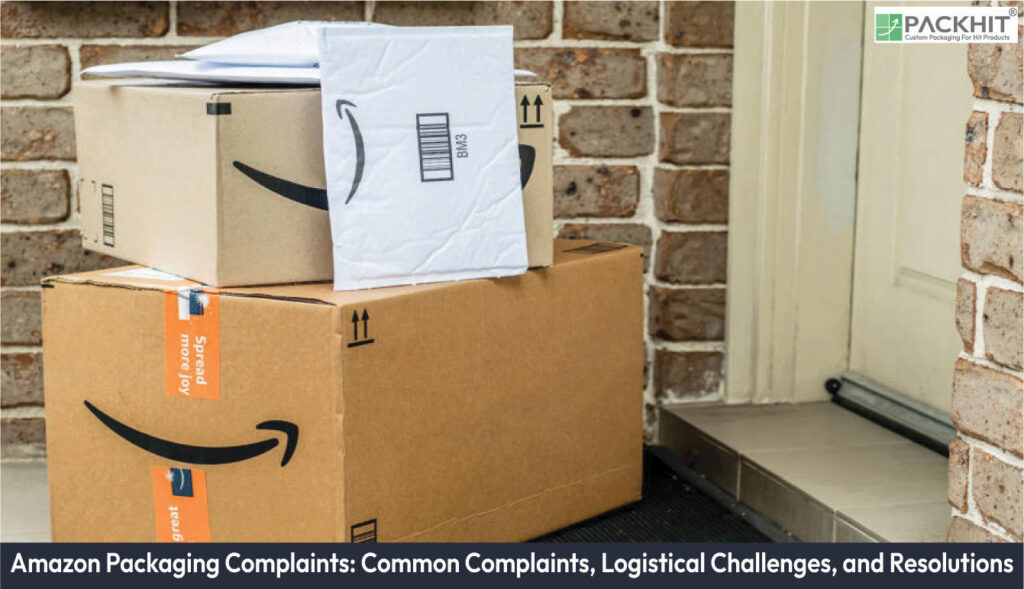
Amazon packaging complaints encompass a range of issues, primarily focusing on environmental concerns, product damage, and user inconvenience. Consumers frequently highlight the negative impact of non-recyclable materials, excessive packaging, and oversized boxes on sustainability. Inadequate cushioning and improper sealing lead to damaged products, especially fragile items like electronics and glassware. User grievances also include difficult-to-open designs, mislabeled packages, and unnecessary bulk, which complicate storage and handling. Manufacturers can address these issues by adopting sustainable materials, optimizing packaging dimensions, enhancing protective solutions, and improving ergonomic design features like easy-open tabs and clear labeling. By aligning packaging strategies with consumer expectations, manufacturers can reduce complaints, improve customer satisfaction, and support Amazon’s sustainability initiatives.
- Most Common Complaints About Amazon Packaging
- Environmental Impact
- Product Damage
- User Inconvenience
- How Can Manufacturers Verify Complaint Patterns?
- What are the Logistical Challenges Linked to Amazon Packaging Complaints?
- What Resolutions Can Manufacturers Implement to Reduce Amazon Packaging Complaints?
- How Do Material Choices Contribute to Packaging Complaints?
- What Design Flaws are Frequently Criticized in Amazon Packaging Complaints?
- How Does Amazon Address Environmental Concerns in Amazon Packaging?
Most Common Complaints About Amazon Packaging
Amazon packaging complaints commonly cluster around three areas: environmental impact, product damage, and user inconvenience. Their relative frequency varies by product category, seller, fulfillment route, shipment condition, and feedback source. These categories describe recurring subjects, not measured percentages of all Amazon complaints.
Scope note: No supplied review sample, collection method, date range, product mix, or comparison group supports a numerical ranking of these complaints. Treat frequency statements as qualitative observations unless dated reviews, return records, damage claims, customer-service contacts, and packaging audits support a measured finding. Manufacturers can code each record by product, complaint type, fulfillment route, shipment condition, and date before changing a package specification.
Environmental Impact
Environmental complaints usually concern unnecessary material, difficult-to-recycle components, and excessive void space. Customers may object to plastic fillers, oversized cartons, or multiple separate parcels, including examples such as bubble wrap, air pillows, and plastic film. Recyclability depends on the material, local collection rules, adhesives, coatings, and contamination. A paper-based package does not automatically qualify for every household recycling program.
Manufacturers can reduce these complaints by specifying recycled paperboard, fiber-based cushioning, and right-sized cartons. Paper inserts require enough compression strength to resist product movement, while coatings and laminations require a separate recycling review. A packaging specification should record fiber content, material weight, coating type, recycled-content percentage, and disposal instructions before production. Record package weight and void volume as well, if material reduction is a stated project target.
Material changes require a performance check. A lighter carton can reduce shipping material while increasing panel deformation, and a fiber insert can create dust or lose fit after humidity exposure. Compare the revised package with the current package under compression, vibration, drop, moisture, and recycling-handling conditions before adopting the new specification.
Product Damage
Product-damage complaints concern crushed cartons, broken components, scratches, leakage, and concealed impact damage. The cause may involve insufficient cushioning, product movement, weak carton panels, poor closure, or handling conditions across several transport stages. Fragile products include glass containers, small appliances, electronics, and ceramic parts.
Manufacturers can reduce transit damage by matching the insert, board grade, and closure method to the product’s mass, geometry, and failure points. Molded-fiber inserts can separate components and limit movement, but their fit requires dimensional checks and compression testing. Drop tests, vibration tests, edge-crush checks, and seal inspections give a clearer basis for revisions than customer anecdotes alone. Inspect returned units and outer cartons together, if the failure location is unclear.
Damage records become more useful when they identify the damaged part, package position, outer-carton condition, shipment route, and product lot. A crushed corner points to a different corrective action than internal scuffing or leakage through a failed seal. Separate packaging failure from product-manufacturing failure before changing the carton or insert.
User Inconvenience
User-inconvenience complaints involve difficult opening, excessive layers, unclear labels, and cartons that are awkward to store or discard. Examples include tightly applied tape, sealed flaps without a tear strip, mixed-material closures, and labels that hide handling instructions. Opening force and access method matter to older users and people with limited hand strength.
Manufacturers can address these problems with a perforated tear strip, a resealable closure where the product requires one, legible handling marks, and a carton sized for ordinary storage. Test the opening sequence with representative users and record cut risks, required tools, opening time, and the condition of the contents after opening. Keep the tear strip, label, and closure compatible with the intended disposal process.
Opening tests should cover the complete sequence from parcel receipt to product removal. Record whether the user can identify the opening point, remove the contents without damaging them, and separate paper, plastic, adhesive, and metal parts for disposal. A closure that protects the product but requires a knife creates a different complaint than a closure that opens quickly but fails during transit.
How Can Manufacturers Verify Complaint Patterns?
A complaint count becomes meaningful only after the manufacturer defines the denominator and observation period. Record the number of complaints per 1,000 shipped units, the product category, fulfillment route, shipment date, complaint source, and confirmed failure type. Review records separately for environmental impact, product damage, and user inconvenience, because one customer report can contain more than one category.
Use customer comments to identify recurring failure descriptions, then compare them with returned products, outer-carton inspections, packaging tests, and material specifications. Do not present unsourced percentages as general Amazon findings. Product-specific evidence remains necessary before changing board grade, cushioning, dimensions, closure, coating, or labeling.
These three categories describe recurring subjects in Amazon packaging complaints, but they do not establish a universal ranking. A review dataset may overrepresent damaged shipments, dissatisfied buyers, or a particular product type. Dated, coded records and physical packaging audits provide a stronger basis for decisions than an unsupported percentage or an isolated review.
What are the Logistical Challenges Linked to Amazon Packaging Complaints?
The main logistical challenges include box-to-product mismatch, insufficient cushioning, failed seals, excess filler, limited product-specific packaging, and packing decisions made under time pressure. The exact cause varies by seller, fulfillment arrangement, carton inventory, and transport route.
- Box selection: A carton larger than the product leaves void space, which permits movement and increases filler use. Examples include a small boxed accessory shipped in a deep carton or a glass item placed without a fitted insert.
- Cushioning control: Padding must limit shock and vibration without crushing the product or consuming excessive volume. Examples include a missing corner pad, a loose molded-fiber insert, or a paper void fill that shifts during transport.
- Closure integrity: Tape width, adhesive performance, flap overlap, and carton surface affect seal strength. A failed closure can expose the product, separate contents, or permit contamination during handling.
- Filler quantity: Void fill protects against movement, but excess material adds disposal work and can obscure the contents during unpacking. Fiber paper, molded-pulp blocks, and air pillows have different protection and disposal characteristics.
- Packaging fit: A single stock carton may not protect products with different masses, shapes, or fragile areas. Examples include a long irregular part, a liquid container, and a multi-component electronics kit.
- Packing throughput: Fast fulfillment creates pressure to select available cartons and complete orders quickly. That condition can increase selection, sealing, or cushioning errors, although the complaint record must identify the actual failure before assigning responsibility.
Manufacturers can investigate these conditions through carton-fit studies, pack-out instructions, seal checks, shipment samples, and return-code analysis. Box-sizing equipment, paper-based void fill, and a defined inspection plan can reduce avoidable variation when the test results support the change.
What Resolutions Can Manufacturers Implement to Reduce Amazon Packaging Complaints?
Manufacturers can reduce Amazon packaging complaints by connecting material choices, product protection, opening requirements, and shipment data to a documented packaging specification.
- Material selection: Specify recycled paperboard, molded fiber, or fiber-based void fill after checking strength, moisture resistance, coatings, and local disposal requirements.
- Protection testing: Match inserts and cushioning to product mass and fragile components, then record results from drop, vibration, compression, and seal tests.
- Opening design: Add tear strips, accessible flaps, resealable closures, and readable labels after testing opening force, tool use, and disposal steps.
- Dimension control: Measure carton dimensions and void volume for each stock-keeping unit, then revise the carton or insert if movement remains excessive.
- Complaint analysis: Code returns, damage claims, reviews, and customer-service contacts by product, defect type, fulfillment route, and date instead of combining unrelated records.
- Process inspection: Check carton selection, insert placement, closure strength, label accuracy, and pack-out photographs at defined sampling intervals.
- Evidence review: Recheck complaint trends against a stated date range, sample size, product mix, and collection method before reporting a percentage or attributing a practice to Amazon.
A written corrective-action record can link each complaint to its suspected cause, test result, packaging change, and post-change return rate. Verify current Amazon packaging requirements and environmental program details against the applicable seller, product, and market documentation because those requirements and programs can change.
For manufacturers of paper-based custom packaging, the practical target is a carton that protects the product, uses no unnecessary material, opens without special tools, and carries clear disposal information. Complaint analysis becomes more reliable when each conclusion states its evidence and limits.
How Do Material Choices Contribute to Packaging Complaints?
Material selection affects both packaging complaints and product protection. Plastic components, including bubble wrap and air pillows, can reduce impact damage but create disposal concerns when local recycling systems do not accept them. Excess filler also increases package volume and leaves customers with more waste after delivery. Paper-based materials reduce reliance on plastic, yet uncoated paper cushioning can lose compression strength when exposed to moisture or when heavy cartons are stacked.
Corrugated cardboard remains a common paper-based choice because its fluted structure combines low weight with crush resistance and recyclability. Its performance depends on board grade, flute profile, seam strength, and storage conditions. A single-wall carton may protect a lightweight product, while a double-wall board can provide more compression resistance for heavier goods. Internal paper cushioning must also restrict product movement; otherwise, repeated impacts can damage both the item and the carton.
Manufacturers can assess four material properties before approving a package: tensile strength for tear resistance, compression strength for stacking loads, moisture resistance for wet-handling conditions, and biodegradability for end-of-life disposal. Testing these properties against the product weight, drop height, shipping route, and warehouse conditions helps reduce the conflict between lower material use and adequate protection.
What Design Flaws are Frequently Criticized in Amazon Packaging Complaints?
Packaging design flaws often affect usability after the shipment arrives. Excessive void space can increase product movement inside the carton, while hard-to-remove seals and unclear instructions can make unboxing difficult. These problems affect users with limited hand strength, reduced dexterity, or difficulty reading small print.
Easy-open features can address these user-impact issues without weakening the package. A tear strip with a visible starting point, a single accessible opening path, and short disposal instructions reduce unnecessary handling. Manufacturers must verify that the opening feature remains intact during transit and that labels identify the product, handling requirements, and recycling instructions in readable print.
How Does Amazon Address Environmental Concerns in Amazon Packaging?
Amazon addresses packaging waste through programs such as Frustration-Free Packaging, which aims to reduce excess materials and unnecessary shipping boxes where product protection allows. Packaging may use recyclable paperboard, molded fiber, or other materials depending on the product, supplier, fulfillment method, and local recycling rules.
Manufacturers should verify current Amazon packaging requirements before making recyclability or sustainability claims. Rather than relying on broad claims, track practical metrics such as material weight, package dimensions, recyclability instructions, damage rates, and returns.
Reducing package size, using appropriate recyclable fiber, and replacing plastic void fill with tested paper-based alternatives can lower material use, provided the package still protects the product during handling and delivery.