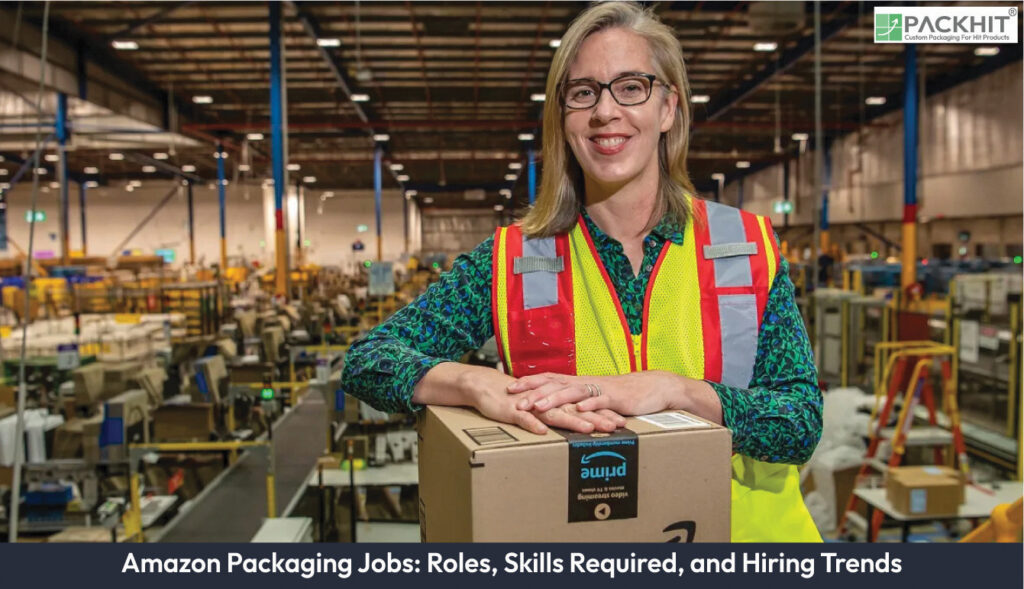
Amazon packaging jobs encompass a variety of roles that collectively support product preparation, protection, and shipment operations. These roles include packaging associates, machine operators, quality control specialists, and packaging engineers, each contributing differently to packaging and fulfillment processes. Packaging associates handle tasks such as assembling boxes and sealing shipments, while machine operators manage automated equipment such as conveyor systems and robotic packaging machinery. Quality control specialists inspect materials and processes, and packaging engineers develop packaging solutions based on product, operational, and sustainability requirements. The skills required range from physical stamina and attention to detail for associates to technical expertise in machinery, packaging design, materials, and sustainability for specialized roles. Packaging work may be affected by automation, sustainability programs, e-commerce volume, and seasonal demand; current roles and requirements should be checked in dated job postings.
- Primary Roles in Amazon Packaging Jobs
- Packaging Associate
- Machine Operator
- Packaging Engineer
- Quality Control Specialist
- Inventory Coordinator
- Sustainability Specialist
- Skills Required for Amazon Packaging Jobs
- How are Hiring Trends Shaping Amazon Packaging Jobs?
- How to Read Amazon Packaging Job Information?
- What Should Manufacturers Consider When Hiring for Amazon Packaging?
Primary Roles in Amazon Packaging Jobs
Amazon packaging jobs cover six common role groups: packaging associates, machine operators, packaging engineers, quality control specialists, inventory coordinators, and sustainability specialists. Associates complete manual packing tasks. Operators run packaging equipment. Engineers specify package dimensions and materials. Quality specialists check output against documented requirements. Inventory coordinators track packaging supplies. Sustainability specialists assess material choices and waste. Duties vary by fulfillment-center process, product type, shift, and automation level.
Packaging Associate
Packaging associates sort products, select approved cartons or mailers, assemble packaging materials, apply labels, and seal shipments. They check item identity, quantity, package condition, and label legibility before an order leaves the station. The role requires manual dexterity, physical stamina, accurate scanning, and compliance with work instructions. Associates also isolate damaged items and report inventory discrepancies through the designated process.
Machine Operator
Machine operators set up, monitor, and shut down automated packaging equipment. Typical equipment includes conveyors, carton-forming machines, print-and-apply labelers, sealing systems, shrink-wrapping equipment, and robotic handling cells. Operators watch feed alignment, sensor status, seal quality, and line stoppages. They perform approved adjustments, record faults, and refer electrical or mechanical repairs to qualified maintenance staff.
Packaging Engineer
Packaging engineers specify package formats that protect products during handling, storage, and parcel shipment. Their work can include carton sizing, cushioning selection, compression analysis, drop-test planning, labeling requirements, and supplier specifications. Engineers compare material use, package volume, damage risk, labor steps, and disposal requirements. Useful qualifications include packaging or mechanical engineering training, CAD skills, materials knowledge, test-method knowledge, and familiarity with warehouse and transportation constraints.
Quality Control Specialist
Quality control specialists inspect packaging materials, equipment output, and finished parcels against documented specifications. Their tasks can include sampling cartons, checking dimensions and seals, reviewing scan accuracy, recording defects, and verifying corrective actions. They separate product defects from packaging-process defects, preserve inspection records, and escalate repeated failures through the applicable quality system.
Inventory Coordinator
Inventory coordinators track packaging supplies such as corrugated cartons, paper mailers, labels, tape, void fill, and protective inserts. They compare on-hand quantities with planned consumption, reconcile system records, request replenishment, and communicate shortages to operations and suppliers. Accurate counts reduce station interruptions, but reorder points depend on site volume, supplier lead time, storage capacity, and approved material specifications.
Sustainability Specialist
Sustainability specialists review packaging materials, package weight, empty space, recyclability, and disposal instructions. They may compare fiber grades, recycled content, coatings, adhesives, and plastic components through lifecycle or material assessments. Their recommendations must also meet product-protection, labeling, supplier, safety, and local waste-management requirements. Environmental performance therefore depends on the complete package system, not on one material label.
Skills Required for Amazon Packaging Jobs
The required skills depend on the role and site process. Entry-level packaging associates generally require accurate scanning, manual dexterity, safe lifting technique, attention to detail, and reliable procedure-following. Machine operators require mechanical aptitude, control-panel knowledge, fault recognition, and basic maintenance awareness. Engineers require packaging-material knowledge, CAD, test planning, data analysis, and supply-chain understanding. Every role requires safety compliance, clear communication, and accurate recordkeeping.
Technical Skills
Technical skills apply most directly to machine operators, technicians, engineers, and quality staff. Relevant abilities include equipment setup, sensor checks, preventive-maintenance procedures, root-cause analysis, CAD modeling, carton specification, dimensional measurement, and package testing. Packaging engineers may also use compression, vibration, and drop-test data to compare corrugated board, paper-based mailers, molded fiber, plastics, and protective inserts.
Physical and Manual Skills
Packaging associates perform repetitive actions such as lifting, reaching, folding, taping, scanning, sorting, and placing products into containers. The physical requirements depend on the station, product weight, work rate, and local safety rules. Candidates must review the specific job description rather than assume that every packaging position has the same lifting, standing, or movement requirements.
Analytical and Problem-Solving Skills
Analytical skills help quality specialists, coordinators, operators, and engineers identify recurring defects and process interruptions. Useful methods include defect counting, trend comparison, inventory reconciliation, measurement checks, and basic root-cause analysis. Engineers also compare package cost, material quantity, product damage, labor steps, transport volume, and end-of-life requirements before approving a specification.
How are Hiring Trends Shaping Amazon Packaging Jobs?
Hiring needs can change with automation adoption, packaging-material programs, order volume, seasonal demand, and site staffing plans. The supplied article contains no dated review of Amazon job postings, headcount records, investment announcements, fulfillment-center hiring data, or independently verified forecast. The points below therefore describe operating factors that can affect packaging work, not confirmed current trends or future Amazon hiring results. Conditions differ by location, product mix, shift, employment type, and job classification. Verify the posting date, role status, pay, schedule, and qualifications in the applicable Amazon listing or another dated primary source.
Automation and Technology
Automated conveyors, labelers, carton systems, sensors, and robotic handling equipment can change the skill mix at a packaging site. A site with more automated stations may assign work to machine operators, maintenance technicians, controls specialists, and process engineers, while manual packing remains part of other workflows. This relationship does not establish a current Amazon vacancy count or forecast. Confirm the equipment, training, and experience requirements in each dated posting.
Sustainability Initiatives
Packaging-material targets can affect work involving fiber content, recyclability, package weight, empty space, coatings, and waste handling. These requirements can create tasks for engineers, material specialists, quality staff, and supplier teams. The supplied article does not establish the current status, scope, or hiring effect of a particular Amazon sustainability program. Check dated program documentation and the job description before treating a sustainability claim as a hiring trend.
E-Commerce Growth
Order volume affects packaging-station workload, staffing plans, material consumption, and peak-season scheduling. Fulfillment centers can add temporary or permanent roles when local demand and operating plans require them, but this article supplies no date, location, vacancy count, or forecast. Black Friday and holiday-period references describe common retail-season planning considerations; they do not establish that a particular Amazon facility is hiring.
How to Read Amazon Packaging Job Information?
Review the posting date, work location, employment type, shift, physical requirements, equipment named, minimum qualifications, and closing status. Separate a listed vacancy from a general career category, and separate a company announcement from an independent hiring forecast. For manufacturers evaluating paper-based packaging, the most transferable topics are carton and mailer specifications, material testing, label accuracy, supplier control, inventory continuity, worker safety, and disposal requirements.
What Should Manufacturers Consider When Hiring for Amazon Packaging?
For Amazon-related packaging work, manufacturers should match each role to the required balance of production, technical, quality, and sustainability capability. Prioritize the skills that fit the operation’s equipment, packaging standards, and growth plans.