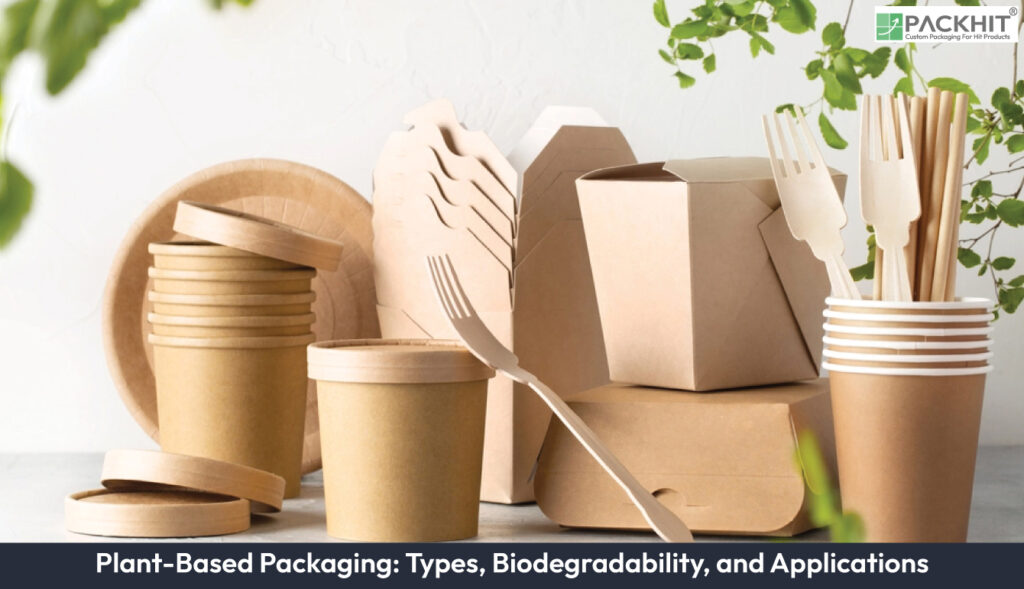
Plant-based packaging refers to packaging materials made from renewable plant-derived resources instead of petroleum-based plastics. Common types include PLA bioplastics, cellulose films, mycelium-based materials, seaweed-based materials, cornstarch-based packaging, and packaging produced from agricultural byproducts such as wheat straw and rice husks. Biodegradable outcomes depend on factors including raw material sourcing, manufacturing energy use, transportation, product durability, and whether recycling or composting infrastructure is available.
Plant-based packaging may reduce reliance on fossil-based raw materials in applications where renewable feedstocks and suitable end-of-life systems are available. For example, molded fiber made from agricultural residues can be used for protective trays and inserts, while cellulose films may be suitable for lightweight applications requiring transparency or limited barrier performance.
- What is Plant-Based Packaging?
- Types of Plant-Based Packaging
- Bioplastic Packaging
- Cellulose-Based Packaging
- Mushroom-Based Packaging
- Seaweed-Based Packaging
- Agricultural Byproduct Packaging
- Cornstarch Packaging
- What are the Biodegradability and Compostability Features of Plant-Based Packaging?
- Applications of Plant-Based Packaging Across Different Industries
- Advantages of Plant-based Packaging Compared to Traditional Plastics
- Limitations of Plant-based Packaging
- Key Attributes of Plant-Based Packaging
- Is all plant-based packaging compostable?
- Can plant-based packaging replace plastic in every application?
- Does plant-based packaging always reduce carbon emissions?
- How Should Manufacturers Choose a Plant-Based Packaging Material?
- What is the Future of Plant-Based Packaging?
What is Plant-Based Packaging?
Plant-based packaging refers to a category of packaging materials derived from renewable plant sources instead of petroleum-based plastics. These materials are designed to provide renewable alternatives to petroleum-based plastics. Depending on the material, many plant-based packaging products are biodegradable or compostable under appropriate disposal conditions.
Types of Plant-Based Packaging
Plant-based packaging encompasses various types, each tailored for specific applications. The most common types of plant-based packaging are discussed below:
Bioplastic Packaging
Many bioplastic formulations are designed to provide mechanical properties comparable to certain conventional plastics for specific packaging applications, although performance varies depending on the polymer formulation, product design, and intended use.
Cellulose-Based Packaging
Cellulose is derived from plant fibers and is a versatile material for transparent films, wraps, and rigid structures. Its natural barrier properties make it ideal for food packaging, preserving freshness while ensuring biodegradability. Cellulose-based packaging is also used in the cosmetics and consumer goods industries.
Mushroom-Based Packaging
Mushroom packaging is made from mycelium, which is the root structure of fungi, and offers a biodegradable alternative to polystyrene and other petroleum-based materials. Mycelium is grown using agricultural waste, such as wood chips or corn stalks, which it binds into solid structures. This material is molded into various forms, such as protective packaging for electronics, furniture, and industrial goods. Mushroom packaging is typically commercially compostable and can break down within weeks to months under appropriate composting conditions, depending on the material formulation and local composting environment.
Seaweed-Based Packaging
Utilizing the rapid growth and renewability of seaweed, this packaging includes biodegradable films and edible options. Seaweed-based materials are particularly valuable in single-use applications, such as food wraps and containers, where they reduce waste and enhance sustainability.
Agricultural Byproduct Packaging
Agricultural waste, such as wheat straw and rice husks, is repurposed into durable packaging solutions. These materials are processed into rigid and semi-rigid packaging options that serve industries such as retail, consumer goods, and logistics. By utilizing byproducts that would otherwise be discarded, this approach minimizes raw material waste and supports a circular economy, reducing the environmental impact of traditional packaging systems.
Cornstarch Packaging
Cornstarch packaging is produced from fermented sugars found in corn, creating a biodegradable and compostable material. It is particularly popular for single-use items, including food containers, cutlery, and shopping bags. Cornstarch packaging can biodegrade under industrial composting conditions over a period of months, although decomposition rates depend on the specific material formulation and composting environment.
What are the Biodegradability and Compostability Features of Plant-Based Packaging?
A defining feature of some plant-based packaging materials is their ability to biodegrade or compost under specific conditions. Many commercially compostable materials are designed to break down in controlled industrial composting facilities, but actual decomposition performance depends on material composition, temperature, moisture, oxygen availability, facility operations, and the applicable composting standard.
Some PLA formulations, for example, have been tested under controlled industrial composting conditions and may biodegrade within several months under those specific conditions. These results should not be interpreted as a universal timeline because performance can vary based on formulation, certification requirements, and whether suitable composting facilities are available.
Compostable plant-based packaging may offer end-of-life benefits in appropriate systems, but it does not automatically provide environmental advantages in every disposal scenario. Where composting infrastructure is unavailable, compostable materials may not achieve their intended outcome and may require alternative waste management pathways.
Applications of Plant-Based Packaging Across Different Industries
Plant-based packaging is used across multiple industries because different materials provide application-specific combinations of moisture resistance, oxygen barrier performance, mechanical strength, print compatibility, and end-of-life options.
- Food and Beverage: Food and beverage manufacturers use plant-based packaging to reduce waste and comply with food contact requirements. Materials such as PLA, cornstarch blends, bagasse, and cellulose films are commonly used for single-use and short-term storage items, including forks, dinner plates, and clamshell food boxes. Compostable trays and molded pulp containers provide heat resistance for hot foods and microwaveable meals, while cellulose films and coated PLA improve moisture resistance for fresh produce and baked goods. Many quick-service restaurants and meal kit brands also use bagasse trays and compostable cutlery to support sustainability goals and commercial composting systems.
- Retail and Consumer Goods: Retail brands use plant-based packaging where required barrier performance, structural stiffness, printability, and available recycling or composting infrastructure align with the intended product application.
- Industry Use: Industrial shippers replace polystyrene with mycelium and molded plant fiber for protective packaging. Mycelium grown around agricultural waste forms custom molded inserts for electronics, furniture, and fragile equipment, offering shock absorption comparable to expanded polystyrene for many applications. Molded pulp and composite boards made from rice husk and wheat straw are also used as pallet toppers, bulk liners, and blocking components to reduce package weight and landfill waste. Mycelium inserts are commercially compostable, while molded fiber packaging can enter paper recycling or industrial composting streams, depending on local infrastructure.
Advantages of Plant-based Packaging Compared to Traditional Plastics
Plant-based packaging offers several potential advantages compared with conventional plastics, but the benefits depend on the specific material, application requirements, and available waste management systems.
- Reduced Carbon Emissions: Some lifecycle assessments have associated materials such as PLA and agricultural byproduct packaging with lower greenhouse gas emissions compared with certain conventional plastics under specific study conditions. Results vary based on production methods, transportation, energy sources, and disposal scenarios, so emissions benefits should be evaluated using the relevant lifecycle scope rather than assumed for all plant-based materials.
- Renewable Resource Utilization: Many plant-based materials use renewable feedstocks such as agricultural residues, cellulose fibers, or plant-derived polymers. Using these resources can reduce dependence on fossil-based raw materials, although cultivation practices, processing requirements, and land-use impacts also influence overall environmental performance.
- Alignment with Circular Economy Principles: Plant-based packaging can support circular economy approaches when materials are designed for effective recycling, composting, or reuse systems. For example, fiber-based packaging may integrate with paper recycling streams in some regions, while compostable materials require appropriate composting infrastructure.
Limitations of Plant-based Packaging
The limitations of plant-based packaging are given below:
- Higher Production Costs: Plant-based packaging often involves higher manufacturing costs due to specialized processing, renewable raw material sourcing, and developing production technologies, which can limit adoption in cost-sensitive markets.
- Limited Raw Material Availability: The supply of agricultural feedstocks and bio-based materials can vary depending on farming conditions, regional availability, and production capacity.
- Dependence on Composting Infrastructure: Many plant-based packaging materials require industrial composting facilities for proper disposal. Without suitable infrastructure, their environmental benefits may be reduced.
- Variable Material Performance: Not all plant-based materials provide the same level of protection. Some bioplastics may have limited moisture or oxygen barrier properties, affecting their suitability for applications such as long-term food storage.
- Need for Regulatory Support and Consumer Awareness: Expanding the use of plant-based packaging requires supportive regulations, improved composting systems, and consumer education on proper disposal methods.
- Application-Specific Material Selection: Choosing the right plant-based packaging depends on factors such as moisture resistance, oxygen barrier requirements, shelf-life expectations, outdoor exposure, and product protection needs.
- Evaluation of End-of-Life Options: Manufacturers should consider available composting and recycling infrastructure before selecting materials. In regions without industrial composting access, recyclable fiber-based packaging or other alternatives may provide more practical solutions.
Key Attributes of Plant-Based Packaging
The table below summarizes the key characteristics of plant-based packaging, including commonly used materials, typical applications, end-of-life options, selection criteria, and primary limitations.
| Attribute | Typical Information |
|---|---|
| Common Materials | PLA, cellulose, mycelium, seaweed, bagasse, cornstarch |
| Typical Uses | Food packaging, retail cartons, protective inserts, molded packaging |
| End-of-Life | Depends on the material; recyclable, home compostable, or industrially compostable based on formulation and local infrastructure |
| Key Selection Factors | Moisture barrier, oxygen barrier, durability, composting availability |
| Main Limitation | Performance characteristics and disposal infrastructure vary by material |
Overall, plant-based packaging offers a range of material options suited to different applications and sustainability goals. Selecting the appropriate solution depends on balancing functional performance, end-of-life requirements, and the availability of recycling or composting infrastructure.
Is all plant-based packaging compostable?
No. Compostability depends on the material and applicable composting standards. Some materials require industrial composting facilities, while others may be recyclable instead.
Can plant-based packaging replace plastic in every application?
Not always. Products requiring long shelf life, high moisture resistance, or demanding barrier performance may require specialized materials or conventional packaging.
Does plant-based packaging always reduce carbon emissions?
Not necessarily. Environmental performance varies depending on the material, manufacturing process, transportation, and end-of-life management.
How Should Manufacturers Choose a Plant-Based Packaging Material?
Manufacturers should match the material to the product’s functional requirements before considering sustainability claims. A practical evaluation includes:
- If products require high moisture or oxygen barriers for extended shelf life, specialized coated materials or conventional alternatives may still be necessary.
- If industrial composting is unavailable locally, recyclable fiber-based packaging or other end-of-life options may provide a more practical solution than industrially compostable materials.
- If products are exposed to heavy loads or long transportation routes, durability and compression performance should be verified alongside compostability or recyclability.
Product weight, storage conditions, transportation requirements, regulatory compliance, and available disposal infrastructure should all be evaluated together rather than independently.
What is the Future of Plant-Based Packaging?
The future of plant-based packaging will depend on improvements in material performance, manufacturing efficiency, waste management infrastructure, and market adoption. Industry forecasts generally indicate continued interest and growth in plant-based packaging, but adoption rates are expected to vary by material type, region, and application.
Growth is likely to be influenced by whether supporting systems are available. For example, molded pulp and bagasse packaging may see broader adoption in markets with established fiber recycling or composting infrastructure, while PLA adoption may depend more heavily on access to industrial composting facilities. As a result, expansion will depend not only on material innovation but also on whether local infrastructure can support the intended end-of-life pathway.