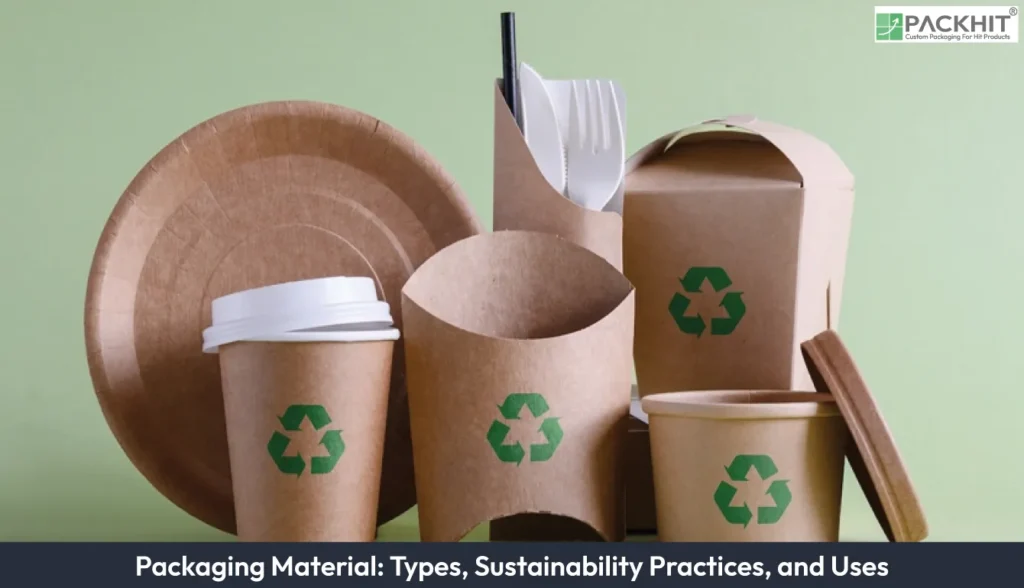
Packaging materials include paper-based, eco-friendly, edible, plant-based, plastic, metal, and glass options, each offering different levels of protection, flexibility, durability, and environmental performance. Sustainable packaging practices increasingly focus on recycled content, material reduction, mono-material design, reusability, and clear disposal guidance. Their suitability varies across industries according to product sensitivity, storage, transportation, branding, and regulatory needs. Selecting the right material therefore requires balancing strength, barrier performance, formability, cost, sustainability, and available end-of-life infrastructure.
- Types of Packaging Materials
- Paper-Based Packaging Materials
- Eco-Friendly Packaging Materials
- Edible Packaging Materials
- Plant-Based Packaging
- Plastic Packaging Materials
- Metal Packaging Materials
- Glass Packaging Materials
- Sustainability Practices for Packaging Materials
- Uses of Packaging Materials Across Different Industries
- Frequently Asked Questions (FAQs)
- Which packaging material provides the best barrier protection?
- What is the most sustainable packaging material?
- What is the difference between paperboard and corrugated fiberboard?
- How does packaging material affect shipping costs?
- Factors to Consider When Selecting Packaging Material
Types of Packaging Materials
Packaging materials are divided into various categories based on their composition, functionality, and application. These include paper-based materials, sustainable options, plastic, metal, glass, and even edible and plant-based alternatives, each serving distinct purposes across industries.
The following are the common types of packaging materials:
Paper-Based Packaging Materials
Paper-based packaging materials, including cardboard, corrugated fiberboard, kraft paper, paperboard, card stock, buxboard, and rigid, are widely used due to their versatility, cost-effectiveness, and eco-friendly properties.
- Cardboard: Cardboard is a thick, paper-based material made from compressed paper pulp, commonly used for lightweight packaging and product boxes.
- Corrugated Fiberboard: Corrugated fiberboard consists of a fluted inner layer between two linerboards, offering high strength and durability ideal for shipping and heavy-duty packaging.
- Kraft Paper: Kraft paper is a coarse, durable, and recyclable paper made from wood pulp, widely used for wrapping, bags, and eco-friendly packaging.
- Paperboard: Paperboard is a single-ply, smooth-surfaced packaging material made from compressed paper fibers, often used for folding cartons and printed consumer goods packaging.
- Cardstock: Cardstock is a thick, high-GSM (grams per square meter) paper made from premium pulp, commonly used for tags, cards, and small-scale packaging due to its sturdiness and printability.
- Buxboard: Buxboard is a rigid, recycled paper-based board known for its earthy look and sturdiness, ideal for cost-effective retail and custom printed packaging.
- Rigid Material: Rigid material is a thick, non-collapsible board wrapped in specialty paper, used for luxury packaging due to its premium feel and structural strength.
Eco-Friendly Packaging Materials
Eco-friendly materials are designed to minimize environmental impact. These include mushroom-based packaging, molded pulp, and bioplastics, which decompose naturally while maintaining functionality.
- Mushroom-Based Packaging: Made from agricultural waste and mycelium, mushroom packaging is biodegradable and suitable for protective packaging.
- Molded Pulp: Commonly used for trays and containers, it is made from recycled paper and is fully compostable.
- Bioplastics: Derived from renewable resources like cornstarch or sugarcane, these plastics are designed to reduce reliance on fossil fuels.
Edible Packaging Materials
Edible packaging materials are an innovative and sustainable approach to reducing waste. Made from natural, food-grade substances, they serve as both a protective layer and a consumable component.
- Seaweed-Based Films: Thin films derived from seaweed, used for single-serve items like sauces or seasonings.
- Rice Paper: A translucent, edible material commonly used in food packaging for items like spring rolls or confectionery.
- Gelatin-Based Wrappers: Created from animal protein, these materials dissolve in water and are ideal for portion-controlled packaging.
Plant-Based Packaging
Plant-based packaging utilizes renewable resources like cornstarch, sugarcane, or bamboo to create eco-friendly and biodegradable solutions.
- Cornstarch Packaging: Cornstarch packaging, made from fermented corn sugars, is compostable and used for containers and bags.
- Sugarcane Bagasse: A byproduct of sugarcane processing, it is molded into trays, plates, and other packaging forms that decompose naturally.
- Bamboo Fiber: Known for its strength and recyclability, bamboo is used for rigid packaging and eco-friendly containers.
Plastic Packaging Materials
Plastic packaging materials are lightweight, durable, and resistant to moisture, making them suitable for food, beverages, personal care products, and flexible packaging. Polyethylene (PE) is commonly used for bags and films, polypropylene (PP) is preferred for containers that require heat resistance, and PET is widely used for beverage bottles because it offers excellent clarity and gas barrier properties. If recyclability is a priority, choose mono-material packaging and verify that the selected polymer is accepted by local recycling programs.
Metal Packaging Materials
Metal packaging materials, such as aluminum and steel, provide an excellent barrier against moisture, oxygen, light, and contaminants, making them ideal for canned foods, beverages, aerosols, and pharmaceuticals. Aluminum is lightweight and naturally corrosion-resistant, while steel provides greater strength for heavy-duty applications. Metal packaging is often chosen when long shelf life and high product protection are more important than package weight.
Glass Packaging Materials
Glass packaging is chemically inert and impermeable to gases and moisture, making it suitable for products whose flavor, aroma, or formulation must remain unchanged, such as beverages, sauces, cosmetics, and pharmaceuticals. Although heavier and more fragile than plastic, glass is often selected for premium products because it can be reused and recycled without losing quality.
Selection criteria: The best packaging material depends on which requirement matters most. High-barrier or rigid materials are often necessary for sensitive and fragile products, while recyclable, lightweight, or mono-material options may be more suitable where protection demands are lower. Sustainability should be considered alongside product safety, cost, and available recycling infrastructure rather than treated as a separate priority.
Sustainability Practices for Packaging Materials
The best sustainability practices for packaging materials involve using recycled and recyclable materials, adopting biodegradable alternatives, minimizing material use, implementing mono-material designs, developing reusable systems, choosing eco-friendly inks and adhesives, and providing clear end-of-life disposal instructions.
- Use of Recycled and Recyclable Materials: Incorporating post-consumer recycled (PCR) content in paper, cardboard, and plastics to reduce dependence on virgin resources and support circularity.
- Adoption of Biodegradable and Compostable Alternatives: Utilizing plant-based materials such as molded pulp, mushroom packaging, and PLA (Polylactic Acid) bioplastics that naturally decompose with minimal environmental impact.
- Reduction of Material Usage: Designing right-sized, minimal packaging that eliminates unnecessary components and reduces overall resource consumption.
- Implementation of Mono-Material Packaging: Using a single polymer or fiber-based material can improve recyclability by reducing the need to separate bonded layers or mixed components during sorting and waste processing. Its effectiveness still depends on whether the selected material is accepted by local recycling systems.
- Development of Reusable Packaging Systems: Creating durable packaging that can be returned, refilled, or reused by consumers or logistics providers to extend the lifecycle and reduce waste.
- Use of Eco-Friendly Inks and Adhesives: Applying water-based, soy-based, or UV-curable inks and non-toxic glues that are safer for the environment and improve recyclability.
- Provision of Clear End-of-Life Instructions: Including labels or symbols that inform consumers how to properly recycle, compost, or dispose of packaging materials.
Uses of Packaging Materials Across Different Industries
Packaging materials are used across various industries, includingfood, retail, e-commerce, pharmaceutical, cosmetics, and electronics, to protect and preserve products, facilitate transportation and storage, enhance branding and marketing, display product information, and ensure safety and hygiene standards.
- Food and Beverage Industry: Paperboard cartons are commonly used for dry foods and frozen products, flexible plastic films help extend the shelf life of snacks and meat through moisture and oxygen barriers, while glass and metal containers are preferred for products requiring long-term preservation, such as sauces, beverages, and canned foods.
- Retail Industry: Packaging materials like paperboard, kraft paper, corrugated fiberboard, and fabric are used in the retail industry. Paperboard and rigid boxes are commonly selected for premium retail products because they provide high-quality printing and improve shelf appeal, while kraft paper bags offer a lower-cost option for everyday retail purchases. They allow for high customization, printing, and a premium unboxing experience while ensuring basic protection.
- E-commerce Industry: Packaging materials like corrugated cardboard, bubble wrap, foam inserts, and stretch films are used in e-commerce. Corrugated boxes are the primary choice because their fluted structure absorbs compression during shipping. Fragile products often include molded pulp or foam inserts to prevent movement and reduce damage during transit. Their durability and lightweight nature help reduce shipping damage and optimize handling efficiency.
- Pharmaceutical and Healthcare Industry: Packaging materials like blister packs, glass, high-barrier films, and tamper-evident labels are used in the pharmaceutical and healthcare industry to maintain sterility, dosage accuracy, and safety. These materials meet strict regulatory standards while protecting sensitive products from contamination.
- Cosmetics and Personal Care Industry: Packaging materials like glass, acrylic, metal tins, and plastic tubes are used in the cosmetics and personal care industry to combine product protection with luxurious presentation.
- Electronics Industry: Rigid plastic, foam inserts, and corrugated cardboard are used in the electronics industry to protect delicate components from static, shock, and moisture during handling and shipping.
Frequently Asked Questions (FAQs)
Which packaging material provides the best barrier protection?
Metal and glass offer the highest barrier protection against moisture, oxygen, and light. High-barrier plastic films are also commonly used for food and pharmaceutical packaging.
What is the most sustainable packaging material?
The most sustainable packaging material depends on the application. Recyclable paper, reusable packaging, mono-material plastics, and compostable materials can all reduce environmental impact when used appropriately.
What is the difference between paperboard and corrugated fiberboard?
Paperboard is a smooth, lightweight material used for folding cartons, while corrugated fiberboard has a fluted layer that provides extra strength for shipping and protective packaging.
How does packaging material affect shipping costs?
Lightweight materials can reduce shipping costs, while stronger materials help prevent product damage during transportation. The ideal choice balances weight with protection.
Factors to Consider When Selecting Packaging Material
The suitability of a packaging material depends on the product, storage conditions, transportation requirements, production method, budget, and environmental goals. Different materials provide different levels of strength, flexibility, barrier protection, sustainability, and cost efficiency, so they should be evaluated according to the intended application.
- Strength and Durability: The required level of strength depends on the product’s weight, fragility, and handling conditions. Rigid materials, corrugated board, and reinforced paperboard may be suitable for products that need structural support, while cushioning or inserts may be required for fragile items.
- Flexibility and Formability: Flexibility is important when packaging must wrap around, fold, stretch, or conform to the shape of a product. Materials such as flexible films and kraft paper can be suitable for irregularly shaped products, whereas rigid materials are preferred when structural stability is more important.
- Barrier Performance: Products such as coffee, pharmaceuticals, dairy products, and snacks require high resistance to oxygen and moisture to maintain quality, whereas dry goods or non-food products may only need basic protection.
- Sustainability: Environmental considerations may include recyclability, reusability, renewable content, material reduction, and local end-of-life infrastructure. The most sustainable option varies according to the material, packaging format, supply chain, and available recycling systems.
- Cost: Evaluate not only material price but also shipping weight, storage efficiency, damage rates, and recyclability. A lower-cost material may increase overall expenses if it results in higher product damage or shorter shelf life.