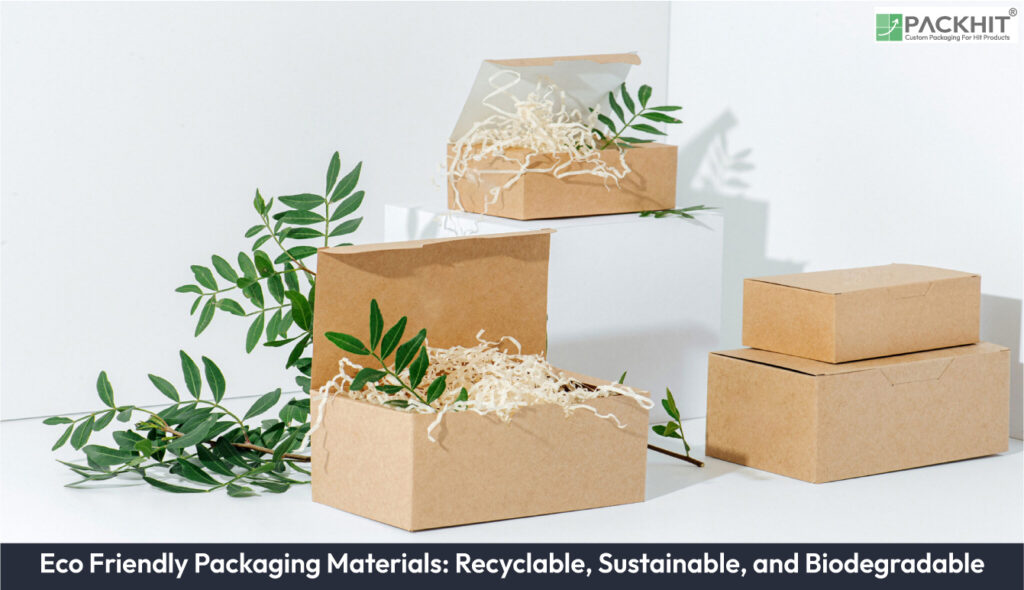
Eco-friendly packaging materials are designed to minimize environmental impact by utilizing recyclable, biodegradable, and sustainable resources. These materials, which include plant-based bioplastics, recycled paper, and compostable substrates, are increasingly adopted across industries to meet consumer demand for sustainability and reduce waste. Categorized into four primary types- recyclable, compostable, reusable, and bioplastics- these materials are used to support eco-conscious practices, organic waste management, and reducing carbon footprints. Surveys often indicate many consumers prefer packaging made from renewable or recycled resources; manufacturers are integrating these solutions to align with market expectations and regulatory pressures.
- What are Eco-Friendly Packaging Materials?
- Why is Eco-Friendly Packaging Important?
- What are the Types of Eco-Friendly Packaging?
- What are the Benefits of Eco-Friendly Packaging Materials?
- Waste reduction
- Carbon footprint
- Regulatory alignment
- Material sourcing
- Lifecycle cost
- Market preference
- Product innovation
- How is Eco-friendly Packaging Utilized Across Industries?
- Emerging Trends in Eco-Friendly Packaging
- Is Eco-Friendly Packaging More Expensive?
- How to Choose Eco-Friendly Packaging Materials
What are Eco-Friendly Packaging Materials?
Eco-friendly packaging materials are defined as substrates and components engineered to reduce environmental harm while maintaining functionality in packaging applications. These materials are derived from renewable resources, recycled inputs, or biodegradable compounds, ensuring minimal ecological disruption during production, use, and disposal. Common examples include kraft paper, cornstarch-based plastics, mushroom packaging, and seaweed-derived films. Their core properties emphasize sustainability, recyclability, and biodegradability, making them suitable for industries ranging from food and cosmetics to e-commerce and logistics.
Why is Eco-Friendly Packaging Important?
Eco-friendly packaging reduces pollution, cuts greenhouse gas emissions, and conserves finite resources by substituting bio-based inputs and improving end-of-life recovery when facilities accept the material.
For manufacturers, the effect appears in three practical areas: compliance, operating cost, and material sourcing. Material choice changes how a product moves through waste systems, how much manufacturers pay for disposal, and how much fossil feedstock the supply chain consumes.
- Compliance: may involve EPR requirements and municipal organics programs, depending on your location and packaging category; specify compostable or easily recyclable substrates so the packaging meets local mandates and take-back obligations.
- Operating cost: lower landfill and tipping fees, reduced single-use purchase frequency via reusable designs, and lower waste-handling complexity when packaging matches municipal recovery streams.
- Material substitution: replacement of petroleum-derived polymers with bio-based inputs such as cornstarch; cornstarch-based polymers derive from renewable corn, are biodegradable and compostable, and reduce dependence on finite fossil feedstocks.
When specifying materials, evaluate the complete packaging construction because coatings, pressure-sensitive adhesives, barrier layers, and mixed-material laminates can prevent fiber separation during recycling or inhibit composting, even when the base substrate itself is recyclable or compostable. Verify compostability against recognized standards, such as ASTM D6400 or EN 13432, and confirm whether the certified product is intended for industrial composting, home composting, or both, since acceptance depends on the waste-management infrastructure available where the packaging will be used.
Point to Remember: Actual performance of eco-friendly packaging depends on material formulation, product design, manufacturing methods, transportation, local recycling or composting infrastructure, and how the packaging is disposed of after use. Always verify supplier specifications and applicable certifications before making engineering, purchasing, or compliance decisions.
What are the Types of Eco-Friendly Packaging?
Four primary types of eco-friendly packaging are recyclable, compostable, reusable, and bioplastics, with examples including cornstarch-based packaging derived from renewable corn that is biodegradable and compostable.
Recyclable
Recyclable materials can be collected, sorted, and reprocessed into new products. Examples: corrugated cardboard, glass, and PET plastic. Recyclability depends on material purity; coatings, adhesives, and mixed-material laminates reduce recovery rates. Prefer uncoated fibers and mono-material constructions to maximize recycling yield.
Compostable
Compostable substrates break down into organic matter under appropriate composting conditions. Examples: PLA (polylactic acid), mushroom (mycelium) packaging, paper-based products, and cornstarch-based materials. PLA typically requires industrial composting; cornstarch and mycelium-based items biodegrade in many municipal or home compost systems, depending on temperature and microbial activity.
Reusable
Reusable packaging is built for repeated cycles of use and return. Examples: glass jars, metal tins, fabric bags. Design choices that extend service life include durable closures that withstand repeated opening and closing, washable surfaces that allow effective cleaning between uses, and modular components that can be replaced individually instead of discarding the entire package. Track reuse cycles to determine when the package no longer provides the required performance and to reduce lifecycle cost per use.
Bioplastics
Bioplastics are polymers manufactured from renewable plant feedstocks rather than petroleum. Three common feedstocks are cornstarch, sugarcane, and algae. Cornstarch-based packaging is biodegradable and compostable and reduces reliance on finite fossil feedstocks; typical applications include molded trays, cutlery, films, and loose-fill protective shapes.
The material composition of these categories often integrates renewable inputs, such as agricultural byproducts, recycled fibers, or bio-based polymers, to achieve sustainability goals. For instance, mushroom packaging utilizes mycelium to create biodegradable structures, while kraft paper relies on unbleached wood pulp for recyclability.
What are the Benefits of Eco-Friendly Packaging Materials?
The main benefits of eco-friendly packaging materials are summarized below across seven areas: waste reduction, carbon footprint, regulatory alignment, material sourcing, lifecycle cost, market preference, and product innovation.
Waste reduction
Waste reduction can lower landfill mass by substituting recyclable fibers and compostable polymers. Examples: corrugated cardboard, kraft paper, cornstarch-based loose fill. Recovery improves when materials remain mono-material and free of non-recyclable coatings or laminates.
Carbon footprint
Carbon footprint can be reduced when bio-based inputs replace petroleum-derived polymers, but the overall benefit depends on the material’s full life cycle, including feedstock production, manufacturing energy, transportation, and end-of-life management. Because these factors vary by product and region, environmental performance should be assessed using life-cycle data or supplier documentation rather than assuming the same reduction for every bio-based material.
Regulatory alignment
Regulatory alignment helps meet Extended Producer Responsibility (EPR) requirements and municipal waste-management programs. Specify recyclable or certified compostable materials only after confirming that the applicable regulations, certification requirements, and local collection or composting infrastructure support the intended end-of-life pathway. For example, a package certified to ASTM D6400 or EN 13432 may still require industrial composting facilities and should not automatically be marketed as home compostable unless that claim has been independently verified.
Material sourcing
Material sourcing shifts supply chains from finite fossil feedstock to renewable inputs. Examples: cornstarch-based packaging derived from corn is biodegradable and compostable; agricultural byproducts such as bagasse and wheat straw reduce demand for virgin pulp and lower upstream environmental impacts.
Lifecycle cost
Lifecycle cost declines per unit when reusable designs increase use cycles and recyclable/compostable materials reduce disposal fees. Examples: reusable jars amortized over repeated cycles; cornstarch loose fill routed to compost avoids tipping fees. Include end-of-life handling in total cost models.
Market preference
Market preference favors packaging made from renewable or recycled resources. Examples: Consumer surveys show over 50% preference for renewable/recycled packaging. Clear on-pack claims and verified certifications strengthen purchase signals and brand trust.
Product innovation
Product innovation enables new packaging formats and end-of-life strategies through bio-based materials and application-specific processing methods. The most effective solutions are designed to remain compatible with existing recycling or composting systems rather than requiring separate disposal pathways. Examples: mycelium molds, seaweed-derived films, cornstarch-based foams, and molded trays. Design for disassembly and single-material construction simplify material recovery by allowing components to be separated more easily and by minimizing incompatible coatings, adhesives, or laminated layers that can interfere with recycling or composting processes.
Test coatings, adhesives, and laminates before specification because incompatible layers can block recycling or composting; verify compostability against ASTM D6400 or EN 13432 where applicable, then confirm whether the certified material is intended for industrial composting or is suitable for home composting, since the required temperature and processing conditions differ between these systems.
How is Eco-friendly Packaging Utilized Across Industries?
Eco-friendly packaging materials are utilized across diverse industries, including food, cosmetics, e-commerce, and logistics. Their adaptability to various product types and environmental conditions makes them often chosen when manufacturers prioritize sustainability goals.
Food Packaging
In the food industry, compostable materials such as PLA and kraft paper are widely used for containers, wraps, and bags. Food packaging commonly uses compostable materials such as PLA, kraft paper, and cornstarch-based products for single-use items. Before specifying these materials, confirm whether the intended disposal route is industrial or home composting and ensure any coatings or barrier layers do not prevent the intended end-of-life pathway.
Cosmetic Packaging
Cosmetic brands increasingly adopt eco-friendly packaging, such as glass jars, bamboo containers, and recycled cardboard boxes, to appeal to environmentally conscious consumers. Glass, bamboo, and recycled cardboard are commonly selected because they combine premium presentation with recyclable or renewable materials. Where printed finishes or laminates are used, verify that they do not reduce the package’s recyclability.
E-Commerce and Shipping
Recyclable and reusable materials, including corrugated cardboard and fabric mailers, dominate the e-commerce sector. Corrugated cardboard is widely used because it provides cushioning and stacking strength while remaining readily recyclable in most paper recovery systems. Reusable mailers are better suited to closed-loop delivery models where return and repeat use are practical.
Emerging Trends in Eco-Friendly Packaging
The adoption of eco-friendly packaging materials is driven by technological advancements, consumer preferences, and regulatory pressures. Key trends include:
- Plant-Based Innovations: Plant-based materials derived from algae, seaweed, and agricultural waste are gaining traction for their biodegradability and renewable nature.
- Edible Packaging: Edible Packaging, such as seaweed-based wraps and starch films, offers dual functionality as food and packaging, reducing waste.
- Smart Packaging: Integration of sensors and QR codes into sustainable materials can enable product tracking and consumer engagement.
For example, seaweed-based films are being explored for single-use sachets in the food and beverage industry, while smart packaging solutions enable real-time monitoring of product conditions during transit.
Is Eco-Friendly Packaging More Expensive?
The cost of eco-friendly packaging materials varies depending on the type, production scale, and material composition. While initial investments may be be higher than those for conventional packaging, the overall cost depends on factors such as material choice, production volume, reuse potential, and disposal requirements. Manufacturers should evaluate total lifecycle costs rather than upfront purchase price alone. For instance, reusable packaging solutions, though costly upfront, offer significant savings through repeated use. Advancements in manufacturing technologies and increased demand are driving down costs, making eco-friendly options more accessible to businesses of all sizes.
How to Choose Eco-Friendly Packaging Materials
Choose recyclable packaging when local collection and processing systems accept the material and when coatings, adhesives, or laminates will not interfere with recovery. Choose compostable packaging when the package is likely to carry food residue and suitable composting facilities are available; verify whether ASTM D6400 or EN 13432 applies and whether industrial or home composting is required. Reusable packaging is suitable when return, cleaning, inspection, and repeated-use systems are practical. Bioplastics may support renewable-material goals, but their end-of-life pathway and local acceptance should be confirmed before use. For regulated or technically complex applications, review supplier documentation and verify claims with the relevant local facility or compliance specialist.