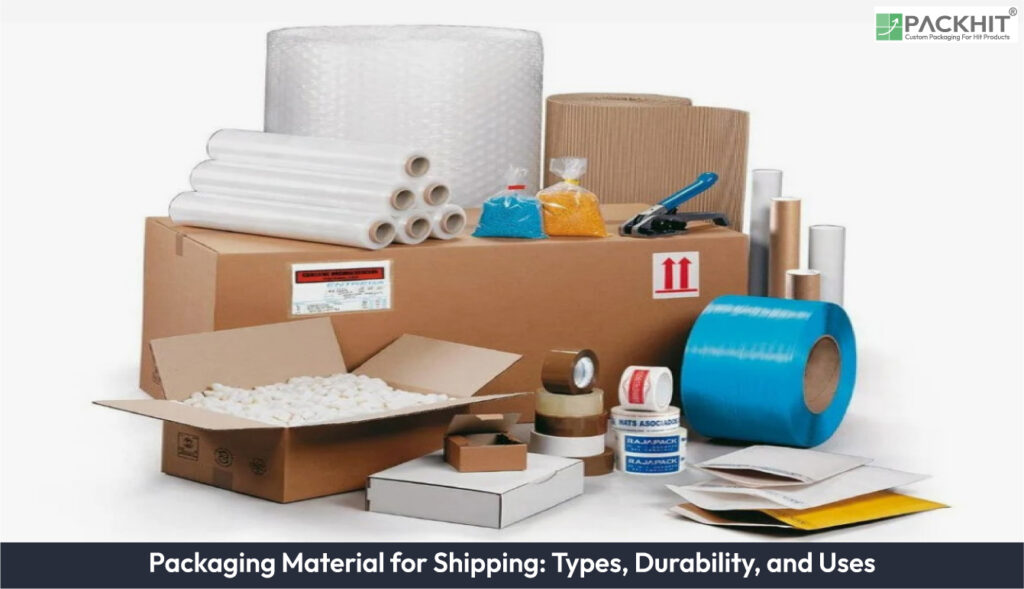
Shipping packaging materials play a crucial role in protecting products during transit and ensuring they arrive safely and intact. These materials can be categorized into several types based on their composition and purpose, including paper-based, plastic-based, foam-based, metal-based, and eco-friendly options. Each type offers specific advantages depending on the product being shipped, from lightweight items to fragile goods and heavy machinery. The durability of these materials varies based on factors such as composition, environmental resistance, and load-bearing capacity. Common use cases for packaging materials range from shipping fragile and perishable items to supporting sustainable logistics with eco-friendly solutions.
- Types of Packaging Materials for Shipping
- Paper-Based Packaging
- Plastic-Based Packaging
- Foam-Based Packaging
- Metal-Based Packaging
- Biodegradable and Eco-Friendly Packaging
- What Determines the Durability of Shipping Packaging Materials?
- Uses of Packaging Materials for Shipping
- How to Choose Shipping Packaging Materials for Products?
Types of Packaging Materials for Shipping
Shipping packaging materials can be broadly categorized based on their composition, functionality, and application.
The main types of packaging materials for shipping are discussed below:
Paper-Based Packaging
Paper-based packaging materials are widely used due to their cost-effectiveness, recyclability, and versatility. These materials are ideal for lightweight to moderately heavy products and are often customized to meet specific shipping requirements.
- Corrugated Cardboard: Made from fluted paper sandwiched between two flat linerboards, corrugated cardboard is durable and provides excellent cushioning. It is commonly used for shipping boxes.
- Kraft Paper: A strong, tear-resistant paper used for wrapping products or as void fill to prevent movement during transit.
- Padded Mailers: Envelopes lined with bubble wrap or foam for shipping small, fragile items.
Plastic-Based Packaging
Plastic-based materials are known for their durability, water resistance, and lightweight properties. They are often used for products requiring high levels of protection.
- Bubble Wrap: A cushioning material with air-filled pockets, ideal for fragile items.
- Stretch Film: A thin, elastic plastic film used to secure items on pallets.
- Polyethylene Bags: Lightweight and flexible bags used for small items or as an additional layer of protection.
Foam-Based Packaging
Foam materials provide excellent shock absorption and are often used for high-value or delicate items.
- Expanded Polystyrene (EPS): Commonly known as Styrofoam, EPS is lightweight and provides thermal insulation.
- Polyurethane Foam: A flexible foam used for custom inserts to secure products in place.
- Foam Peanuts: Loose-fill packaging is used to fill voids in shipping boxes.
Metal-Based Packaging
Metal packaging is less common but is used for specific applications requiring high durability and tamper resistance.
- Steel Drums: Used for shipping liquids or hazardous materials.
- Aluminum Containers: Lightweight and corrosion-resistant, ideal for food and pharmaceutical products.
Biodegradable and Eco-Friendly Packaging
With increasing environmental concerns, biodegradable and eco-friendly materials are gaining popularity. These materials are designed to minimize environmental impact while maintaining functionality.
- Biodegradable Plastics: Plastics that decompose naturally over time.
- Molded Pulp: Made from recycled paper, molded pulp is used for protective packaging like trays and clamshells.
- Compostable Mailers: Mailers made from plant-based materials that break down in composting conditions.
What Determines the Durability of Shipping Packaging Materials?
The durability of shipping packaging depends on how well the material withstands product weight, compression, moisture, stacking, and handling impacts during transit.
- Material strength: Stronger materials provide better crush resistance. Heavy shipments may require higher-test corrugated boxes, while thicker paperboard can support retail-ready products.
- Board structure: Single-wall corrugated board suits lighter items, whereas double-wall construction provides greater impact resistance for heavier or more vulnerable products.
- Moisture resistance: Coatings and moisture-resistant liners help prevent fiber weakening in humid storage and shipping conditions.
- Stacking load: Packaging must withstand the pressure created by pallet height and box weight, so compression and burst ratings should match expected loads.
- Handling impacts: Drop-tested designs, reinforced edges, and protective inserts help reduce damage to corners, seams, and fragile products.
The table below provides an overview of common shipping materials, highlighting their typical durability ratings and ideal use cases.
| Material | Typical Durability Rating | Best Use Case |
|---|---|---|
| Corrugated Cardboard | High | General-purpose shipping |
| Bubble Wrap | Medium | Fragile items |
| Expanded Polystyrene | Very High | Electronics and appliances |
| Biodegradable Plastics | Low to Medium | Eco-friendly shipping |
Understanding the durability of different materials helps manufacturers identify which materials best suit their shipping needs based on product type, shipping conditions, and specific protection requirements. Ratings reflect relative resistance to physical stress and relevant environmental factors (moisture/temperature/UV) and vary by product weight and protection needs.
Uses of Packaging Materials for Shipping
The choice of packaging material depends on the type of product, shipping distance, and specific requirements such as temperature control or tamper resistance. Below are common use cases of packaging materials for shipping:
- Fragile Items: Fragile items like glassware, electronics, and ceramics require cushioning materials such as bubble wrap, foam inserts, or padded mailers to prevent breakage.
- Heavy or Bulky Items: Heavy items like machinery or automotive parts are best shipped using corrugated cardboard reinforced with foam or metal containers for added strength.
- Perishable Goods: Perishable goods like food and pharmaceuticals require insulated packaging, such as EPS foam or aluminum containers, to maintain temperature control.
- Eco-Friendly Shipping: For businesses prioritizing sustainability, biodegradable plastics, molded pulp, and compostable mailers are ideal for reducing environmental impact.
How to Choose Shipping Packaging Materials for Products?
Choose packaging according to the product’s weight, fragility, value, shipping environment, and handling requirements.
- Temperature-controlled shipments: Use insulated foam packaging, EPS containers, or suitable aluminum containers with the required cooling materials. Confirm that the packaging can maintain the required temperature for the full shipping duration.
- Moisture or UV exposure: Use water-resistant plastic films, polyethylene bags, coated corrugated boxes, or corrosion-resistant containers. Standard paper-based packaging may require an additional protective layer.
- Fragile products: Use corrugated boxes with bubble wrap, foam inserts, molded pulp, or padded mailers to limit movement and absorb impact. Upgrade to custom-fit inserts for highly delicate or high-value items.
- Heavy or bulky products: Use reinforced corrugated packaging, rigid foam supports, pallets, or metal containers according to the load. Avoid lightweight mailers or unsupported cardboard where crushing or structural failure is possible.
- Tamper resistance: Use sealed mailers, tamper-evident tape, security labels, locking containers, or metal packaging where stronger protection is required.
- Sustainability priorities: Use molded pulp, recyclable paper packaging, or compostable mailers where product protection and local disposal systems allow. Eco-friendly materials may offer less moisture resistance or load-bearing strength, so additional protection may be necessary.
For hazardous, regulated, extremely valuable, or temperature-sensitive goods, use packaging that meets the applicable carrier and regulatory requirements rather than relying on general-purpose materials.