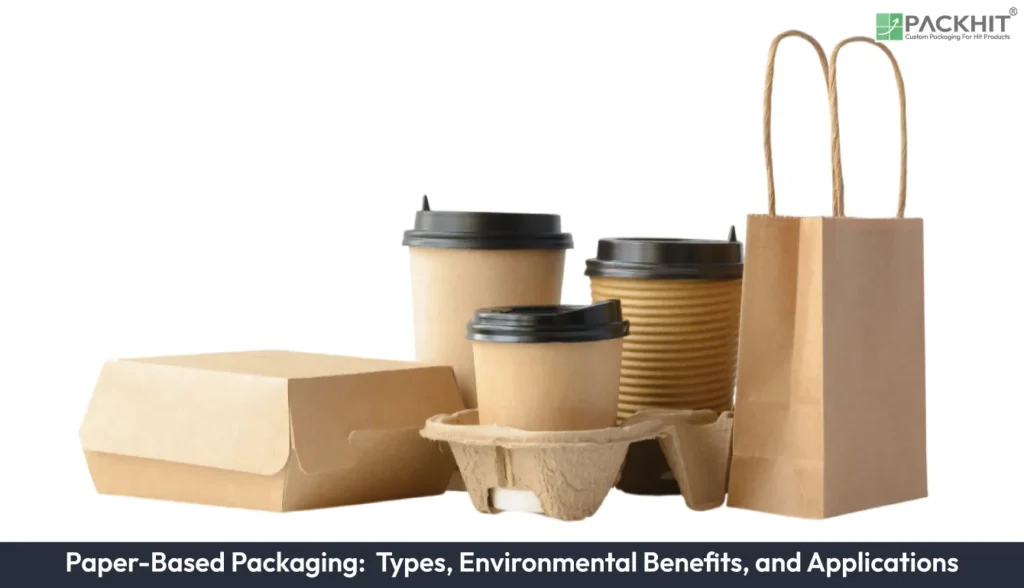
Paper-based packaging is made primarily from renewable materials such as wood pulp and recycled paper fibers. It includes corrugated boxes, folding cartons, kraft paper, rigid paperboard, and flexible paper packaging, each offering different levels of print quality, structural strength, and product protection. Its environmental benefits include recyclability, renewable material sourcing, and biodegradability under suitable conditions, although coatings and laminates can influence end-of-life recovery. For manufacturers, selecting the appropriate paper format and surface finish helps balance branding, packaging performance, and sustainability requirements across different applications.
- Types of Paper-Based Packaging
- Corrugated Fiberboard Packaging
- Folding Carton Packaging
- Kraft Paper Packaging
- Rigid Paperboard Packaging
- Flexible Paper-based Packaging
- What are the Environmental Benefits of Paper-Based Packaging?
- Biodegradability and Compostability
- High Recyclability and Circularity
- Renewable Feedstocks and Lower Carbon Footprint
- Reduced Plastic Pollution and Wildlife Impacts
- Regulatory Alignment and Market Access
- Lower End-Of-Life Contamination and Improved Recovery
- Material Efficiency and Energy Considerations
- Applications of Paper-Based Packaging
- Main Challenges in Paper-based Packaging
- What are the Future Trends in Paper-Based Packaging?
- Tips for Paper-Based Packaging Manufacturers
Types of Paper-Based Packaging
Several paper-based packaging formats are available, each designed for different product, branding, and performance requirements. Below are the most common types:
Corrugated Fiberboard Packaging
Corrugated Fiberboard packaging combines fluted and liner boards to provide cushioning and stacking strength for shipping. The level of protection depends on the board grade, box design, and protective inserts used. Corrugated fiberboard may incorporate recycled paper fibers, with recycled content varying by manufacturer, product specifications, and regional sourcing practices.
Folding Carton Packaging
Folding carton packaging, crafted from paperboard that is cut, folded, and laminated, is a lightweight solution widely used for food, cosmetics, pharmaceuticals, and retail items. Its high customizability in size, shape, and design enhances branding potential. Appropriate coatings can improve moisture resistance, although the choice of coating may affect recyclability, compostability, or food-contact suitability depending on the material used.
Kraft Paper Packaging
Kraft paper provides a durable, natural-looking material for bags, wrapping, and protective packaging. It is used for wrapping, bags, and void-fill applications. Kraft paper is biodegradable and recyclable, making it a popular choice for environmentally conscious businesses.
Rigid Paperboard Packaging
Rigid paperboard packaging creates a premium structure suitable for luxury and high-value products, such as cosmetics and electronics. It provides a premium look and feel while being recyclable and customizable for branding purposes.
Flexible Paper-based Packaging
Flexible paper-based packaging delivers lightweight packaging for selected food and consumer goods, often incorporating barrier coatings where needed. It is lightweight, cost-effective, and increasingly used in the food and beverage industries due to its ability to incorporate barrier coatings for moisture and grease resistance.
What are the Environmental Benefits of Paper-Based Packaging?
Paper-based packaging is widely recognized for its environmental benefits. These include:
Biodegradability and Compostability
Untreated or certified compostable paper-based packaging can decompose under suitable composting conditions, although decomposition time depends on the material, coatings, and local composting environment. It typically breaks down within weeks to months, reducing landfill volume. Examples include uncoated kraft bags and certified compostable pouches, which return organic matter and nutrients to soil.
High Recyclability and Circularity
Paper fibers can typically be recycled multiple times before their quality declines, supporting a circular materials economy. Recovery opportunities depend on local recycling infrastructure, collection systems, and material composition. Corrugated boxes and folding cartons are accepted by many paper recycling programs where suitable collection and processing facilities exist, and some products incorporate recycled fiber depending on manufacturer specifications and regional material availability.
Renewable Feedstocks and Lower Carbon Footprint
Paper-based packaging is produced from renewable biomass, and its environmental impact depends on factors such as raw material sourcing, manufacturing processes, transportation, and end-of-life management. Using responsibly sourced virgin fiber or recycled paper can help reduce material-related emissions in appropriate applications. Packaging represents one component of a product’s overall environmental footprint, although its relative contribution varies depending on the product, packaging design, transportation, and manufacturing processes.
Reduced Plastic Pollution and Wildlife Impacts
Replacing some single-use plastic packaging with paper-based alternatives may reduce plastic waste and microplastic generation, depending on the materials used, product requirements, and end-of-life management. In some regions, regulations or market initiatives encourage the adoption of paper-based alternatives to certain single-use plastic packaging, although requirements vary by jurisdiction. Examples of avoided harm include fewer entanglements and ingestion incidents among marine animals.
Regulatory Alignment and Market Access
Paper-based packaging may help support compliance with packaging regulations or recycling objectives in some markets, although requirements vary by country, region, and product category. Some municipalities and EPR programs encourage the use of recyclable packaging, but specific obligations and accepted materials vary by jurisdiction. Examples include easier compliance in regions phasing out non-recyclable single-use items.
Lower End-Of-Life Contamination and Improved Recovery
Designing paper packaging for mono-material construction reduces sorting loss and contamination in recycling streams. Selecting coatings and laminates that are compatible with local recycling systems can improve recovery, although acceptance depends on the specific material and local recycling infrastructure. Examples include coated pouch alternatives that use a single recyclable paper film.
Material Efficiency and Energy Considerations
Paper packaging can support lightweighting and efficient transportation by reducing material use and shipment weight where product protection requirements allow. Optimized corrugated packaging designs can improve material efficiency while maintaining the strength required for shipping, which may reduce transportation-related emissions depending on the packaging design and distribution conditions. Examples include right-sized boxes and reinforced but lighter flutes for the same stacking strength.
Applications of Paper-Based Packaging
Paper-based packaging is used across various industries due to its versatility and eco-friendly properties. Key applications include:
- Food and Beverage Industry: Paper-based packaging is widely used for takeout containers, coffee cups, snack wrappers, and beverage cartons. Paper-based packaging can be used for food-contact applications when manufactured with appropriate materials and in compliance with applicable food-contact regulations and customer requirements.
- E-commerce and Retail: Lightweight and cost-effective, paper-based packaging is ideal for shipping products in the e-commerce sector. Retailers use it for clothing, accessories, electronics, and household items.
- Personal Care and Cosmetics: Luxurious paperboard boxes are used for packaging skincare, haircare, and makeup products, enhancing brand appeal and customer experience.
- Industrial and Logistics: Corrugated boxes and rigid paperboard packaging can help protect delicate or heavy items when the packaging is properly designed and matched to the product’s weight, handling conditions, and shipping requirements, making them essential in logistics and industrial applications.
Main Challenges in Paper-based Packaging
Despite its environmental benefits, paper-based packaging faces several technical and manufacturing challenges compared with plastic-based alternatives. The most important constraint depends on the application: barrier performance usually comes first for food, beverages, and cosmetics, while strength, weight, and cost are often more critical for shipping and industrial packaging.
Advanced Barrier Technologies: Standard paper has limited resistance to moisture, grease, oxygen, and water vapor. Manufacturers use water-based dispersion coatings, bio-based barriers, mineral coatings, and thin polymer or cellulose-based laminates to improve shelf life and product protection. However, stronger multilayer barriers can increase cost and may reduce recyclability or require specialized processing.
Mono-Material Packaging Design: Mono-material paper packaging minimizes non-paper components to improve compatibility with paper recycling systems. This approach is most suitable when moderate barrier performance is sufficient, but it may not provide the moisture or oxygen protection required for certain food, beverage, and pharmaceutical products.
Manufacturing Efficiency and Cost: Precision coating, lamination, die-cutting, and surface treatment can improve packaging performance and brand presentation, but they also increase production complexity and cost. Lightweight structures, optimized converting equipment, and recycled fiber can reduce material use, provided they do not compromise strength or print quality.
Recycling and Recovery Considerations: Paper packaging is widely recyclable, but actual recovery depends on local infrastructure and material composition. Coatings, adhesives, inks, and laminates should therefore be selected according to both performance requirements and compatibility with existing sorting and fiber-recovery systems.
What are the Future Trends in Paper-Based Packaging?
Paper-based packaging shifts toward mono-material constructions, biodegradable barrier coatings, digital short-run decoration, and stronger, lighter fiber structures.
- Regulatory mandates and extended producer responsibility (EPR): Many jurisdictions continue to update packaging policies, including requirements related to single-use plastics, recyclability, and recycled content. Businesses should verify the requirements that apply in their target markets.
- Advanced biodegradable and water-resistant coatings: New coatings use cellulose, PLA, or biodegradable polymers to add moisture and grease resistance without mixed plastic laminate. Laminated folding cartons can accept hot-fill liquids while remaining compatible with paper recycling streams.
- Mono-material and recyclable designs: Designers favor single-substrate constructions to reduce sorting loss. A common approach is corrugated boxes without plastic windows or pouches made with a single paper film or cellulose window.
- Higher-strength, lightweight fiber constructions: Paper mills adopt reinforced paperboard, micro-flute corrugation, and cross-laminated papers to match the performance of heavier boards and some plastics. In practice, micro-flute boxes can reduce board weight by approximately 15-30% while maintaining stacking strength.
- Digital printing and short-run customization: Variable-data digital presses reduce minimum order quantities and add high-resolution graphics, security inks, and QR traceability. This enables on-demand branded sleeves, serialized cartons for authentication, and seasonal artwork in runs under 1,000 units.
- Functional features in paper formats: Paper packages include resealable closures, easy-open tear lines, built-in handles, and cellulose-based windows. Common implementations include resealable snack pouches with paper zippers and cartons with pre-creased carry handles.
- Edible and compostable packaging experiments: Food-grade, ingestible films and fully compostable pouches have reached pilot projects and niche commercial applications for single-serve foods. One emerging application is edible wrappers for confectionery alongside home-compostable snack pouches certified to ASTM D6400.
- Supply-chain transparency and certified feedstocks: Brands demand chain-of-custody certifications (FSC, SFI) and verified post-consumer recycled content. To support traceability, manufacturers increasingly specify 30-100% recycled fiber and provide batch-level certification documentation.
Recycling recovery remains high for paper-based formats, and recycled fibers can be reused multiple times, so design choices that prioritize mono-materials and recyclable coatings improve end-of-life outcomes.
Tips for Paper-Based Packaging Manufacturers
Manufacturers specify paper-based packaging choices by product weight and dimensions, select the correct stock (kraft, corrugated, cardstock, rigid board, or boxboard), then validate closure, cushioning, print area, and shipping test results before production.
- Specify recycled content: Set a target percentage (for example, 30% or 50%) if your products enter curbside recycling systems.
- Choose mono-material constructions: Use single-substrate designs if recycling sorting efficiency is a priority.
- Test barrier options: Trial biodegradable coatings and cellulose films if the product requires moisture or grease protection.
These steps help manufacturers improve recyclability, maintain packaging performance, and meet evolving regulatory and retail expectations.
