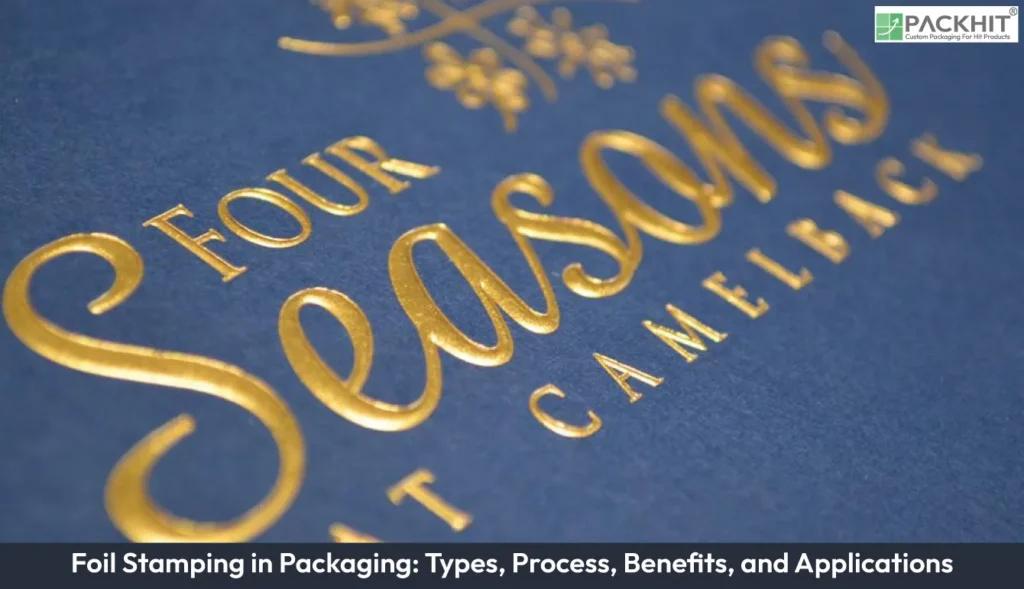
Foil stamping is a decorative printing and finishing process that uses heat, pressure, and specialized foils to apply metallic, pigmented, or holographic designs onto packaging materials. The foil stamping process involves preparing the artwork and metal die, selecting suitable materials, applying foil through heat and pressure, and adding optional finishing techniques such as embossing, debossing, or UV coatings to enhance the final appearance. Depending on production requirements, foil stamping includes hot foil stamping, cold foil stamping, and digital foil stamping. The benefits of foil stamping include enhanced appeal, perceived product value, design possibilities, improved durability, and support for anti-counterfeiting features. Foil stamping is widely used in luxury packaging, business cards, book covers, greeting cards, labels, and product packaging where premium branding and decorative finishes are required.
- What is Foil Stamping?
- Different Types of Foil Stamping
- How to Apply Foil Stamping to Packaging?
- Benefits of Foil Stamping for Packaging
- Enhanced Visual Appeal
- Increased Perceived Value
- Compatible with Multiple Materials
- Anti-Counterfeiting Properties
- Durability
- What are the Applications of Foil Stamping in Packaging?
- Practical Considerations While Using Foil Stamping
- How Can Foil Stamping Help Brands Stand Out on the Shelf?
What is Foil Stamping?
Foil stamping is a heat-and-pressure-based printing process that applies metallic or pigmented foils onto various surfaces to create premium, reflective, and decorative finishes. It is compatible with materials such as paper, cardstock, leather, plastic, and coated surfaces, making it suitable for a wide range of packaging applications. Foil stamping can produce glossy, matte, textured, and embossed finishes that enhance packaging appearance, strengthen brand presentation, and add a high-quality, luxurious feel to products.
Different Types of Foil Stamping
Foil stamping techniques vary based on the method of application and the desired finish. The most common types include:
- Hot Foil Stamping: The most widely used foil stamping technique, it applies heat and pressure to transfer metallic foil onto a surface. This method creates reflective and luxurious finishes, making it ideal for premium packaging and high-end products.
- Cold Foil Stamping: A technique that uses UV light instead of heat to transfer metallic foil onto materials. It offers faster production and cost efficiency, making it suitable for projects requiring quick turnaround times, although it may provide less durability than hot foil stamping.
- Digital Foil Stamping: A modern technique that uses digital technology to apply foil without requiring metal dies. It provides greater design flexibility and is well suited for short-run projects, customized packaging, and detailed designs.
How to Apply Foil Stamping to Packaging?
The process of applying foil stamping to packaging involves several steps that are explained below:
1. Design Preparation
The process begins with the creation of a customized metal die that includes the design to be stamped. All parts of the design must be vectorized to ensure proper layout separation and foiling plate creation. The die is then engraved with the desired pattern, which will be transferred onto the packaging material.
2. Material Selection
Foil stamping can be applied to a variety of materials, including paper, cardstock, leather, and plastic. The choice of material depends on the intended application and desired finish. Smooth paper, kraft paper, and coated surfaces are commonly used for packaging.
3. Application of Heat and Pressure
The foil stamping machine uses heat and pressure to bond the metallic or pigmented foil onto the material. A heated metal die presses the foil against the substrate, creating a sharp, detailed imprint. The combination of heat and pressure ensures durability and a high-quality finish.
4. Finishing Touches
Additional enhancements, such as embossing, debossing, or glossy UV coatings, can be integrated with foil stamping to create a more sophisticated and tactile design. These techniques add depth and texture, further elevating the packaging’s appeal.
Benefits of Foil Stamping for Packaging
Foil stamping offers several advantages for packaging and branding. Its effectiveness depends on factors such as the substrate, foil type, design complexity, surface coating, and production settings.
Enhanced Visual Appeal
Foil stamping creates a reflective and decorative finish by transferring metallic or pigmented foil onto the packaging surface using controlled heat and pressure. Effects such as gold, silver, holographic, or textured finishes can help highlight logos, product names, and premium design elements, making packaging more noticeable in retail environments.
Increased Perceived Value
The combination of metallic finishes, precise detailing, and tactile effects such as embossing can create a premium appearance that influences how customers perceive a product. This is commonly used for luxury goods, cosmetics, specialty foods, and other products where packaging presentation supports brand positioning.
Compatible with Multiple Materials
Foil stamping can be applied to various substrates, including paperboard, cartons, labels, and coated surfaces, making it suitable for diverse packaging applications. However, the final quality depends on factors such as surface smoothness, coating compatibility, and the ability of the material to withstand heat and pressure during application.
Anti-Counterfeiting Properties
Foil stamping can support product authentication when specialized foils, fine registered details, holographic effects, or customized patterns are incorporated into the design. Because these elements require controlled artwork preparation, custom dies, and accurate foil placement during production, they can make casual replication more difficult. This can be useful for products such as pharmaceuticals, luxury goods, and branded consumer products where visual authentication is important.
Durability
Foil stamping can create a long-lasting decorative finish because heat and pressure help bond the foil layer to the substrate. Durability depends on factors such as substrate compatibility, surface coatings, foil quality, and correct heat and pressure settings. When properly applied, foil-stamped elements can maintain their appearance on packaging exposed to handling, transportation, and retail display conditions.
Foil stamping is particularly effective for packaging where premium appearance, brand differentiation, or tactile detail is a priority. However, it may not be the ideal choice for every application, as the final result depends on factors such as substrate compatibility, artwork complexity, production volume, and budget considerations. For projects requiring large-area coverage, lower-cost decoration, or highly flexible printing options, alternative finishing methods may be more suitable.
What are the Applications of Foil Stamping in Packaging?
Foil stamping is widely used across various industries to enhance product presentation, branding, and packaging appeal. Common applications include:
- Luxury Packaging: Foil stamping is commonly used for cosmetics, jewelry, premium electronics, and other high-end products. Metallic and textured finishes enhance visual appeal, create a premium look, and communicate product value.
- Business Cards: It adds a sophisticated finish to professional branding materials by enhancing both the visual appearance and tactile experience, helping businesses create a memorable impression.
- Book Covers: Foil stamping is used to create decorative titles, patterns, and design elements on book covers, improving appearance while providing a durable finish.
- Greeting Cards: It adds decorative effects such as metallic, glossy, and holographic details, making cards more attractive for special occasions, holidays, and celebrations.
- Labels and Stickers: Foil stamping improves product visibility and brand recognition by highlighting important design elements. It can also be combined with security features to support anti-counterfeiting efforts.
Practical Considerations While Using Foil Stamping
The success of a foil stamping project depends on several production factors, including substrate selection, surface coating, artwork complexity, and the desired finish. Smooth, coated surfaces often provide sharper foil transfer, while textured or porous materials may require testing to achieve consistent results.
Design complexity can also affect production requirements. Fine lines, small text, and detailed patterns typically require accurate die preparation and careful registration during stamping. Larger foil areas or intricate designs may require additional setup considerations to maintain consistent coverage and appearance.
Foil stamping is often selected when visual impact and premium presentation are important. However, designers may consider alternative finishing methods when cost efficiency, faster production, or full-surface coverage is a higher priority. The best finishing choice depends on the packaging material, brand goals, production requirements, and expected product environment.
Does Foil Stamping Work on All Packaging Materials?
No. Foil stamping performance depends on the substrate surface, coating, and material properties. Testing may be needed for unusual or textured materials to confirm adhesion and finish quality.
Is Foil Stamping Only Used for Luxury Packaging?
No. While it is commonly used for premium products such as cosmetics and specialty goods, foil stamping is also used for labels, promotional materials, and branded packaging where visual differentiation is important.
How Can Foil Stamping Help Brands Stand Out on the Shelf?
Foil stamping helps brands stand out on the shelf by adding a premium, eye-catching finish that attracts consumer attention and improves product visibility. The reflective and metallic effects created through foil stamping can highlight important design elements such as logos, product names, and brand details, making packaging appear more distinctive and memorable.
By creating a luxurious and high-quality appearance, foil stamping can influence how customers perceive a product’s value and quality. Finishes such as gold, silver, holographic, and coloured foils allow brands to create unique packaging designs that differentiate their products from competitors.
Foil stamping also supports brand recognition by reinforcing visual identity and creating consistent design elements across product lines. When combined with techniques such as embossing, debossing, or specialty coatings, it adds texture and depth that enhances the overall consumer experience.