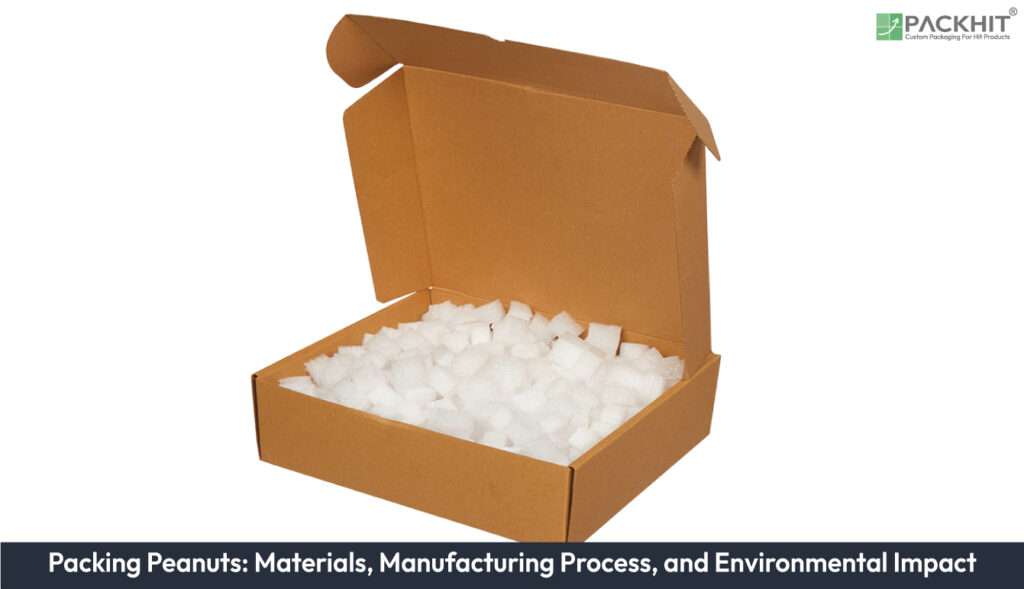
Packing peanuts, small and lightweight interlocking materials, serve as essential components in packaging to safeguard fragile items during transit, storage, or shipping. Made primarily from expanded polystyrene (EPS) or biodegradable starch-based compounds, they cater to diverse needs. EPS peanuts are durable and shock-absorbent, while biodegradable variants offer eco-friendly solutions that decompose quickly under composting conditions. The manufacturing processes for each type, steam expansion for EPS and heat extrusion for starch-based peanuts, highlight their distinct properties. Though EPS contributes to long-term waste challenges, biodegradable peanuts provide sustainable disposal options. Packing peanuts excel in cushioning, cost-efficient shipping, and versatile applications across industries such as e-commerce, manufacturing, and specialized uses. Proper disposal methods, such as recycling for EPS and composting or dissolving for biodegradable types, further enhance their utility while addressing environmental concerns.
- What are Packing Peanuts Made Of?
- Expanded Polystyrene (EPS) Packing Peanuts
- Biodegradable Starch-Based Packing Peanuts
- Comparison of Material Properties
- How are Packing Peanuts Manufactured?
- 1. Production Process for Polystyrene Packing Peanuts
- 2. Biodegradable Packing Peanut Production
- 3. Environmental Impacts of Packing Peanuts
- 4. Environmental Considerations for EPS Packing Peanuts
- 5. Environmental Considerations for Starch-Based Packing Peanuts
- Benefits of Using Packing Peanuts
- How are Packing Peanuts Used Across Industries?
- How Should Packing Peanuts Be Disposed Of?
What are Packing Peanuts Made Of?
Packing peanuts are commonly made from expanded polystyrene (EPS) or starch-based materials. Their different material properties affect cushioning, moisture sensitivity, reuse, and end-of-life options.
Expanded Polystyrene (EPS) Packing Peanuts
EPS packing peanuts are made from expanded polystyrene, which forms a lightweight cellular structure containing a large proportion of air. This structure allows the material to fill package voids while adding relatively little weight. Anti-static varieties are also available for applications involving static-sensitive products. EPS peanuts resist moisture better than starch-based alternatives, but recycling availability can vary by location and facility.
Biodegradable Starch-Based Packing Peanuts
Starch-based packing peanuts are typically produced from materials such as cornstarch or potato starch. They provide lightweight void filling but respond differently to moisture than EPS. Many starch-based formulations dissolve or lose their structure when exposed to water, which can provide an alternative disposal route where appropriate but may also limit their suitability for humid or wet conditions. Specific biodegradability or compostability claims should be checked against the product’s material specifications and intended disposal conditions.
Comparison of Material Properties
Both EPS and starch-based peanuts can provide loose-fill cushioning, but their properties support different applications. EPS generally offers greater resistance to moisture and can potentially be reused when it remains clean and intact. Starch-based alternatives may offer different end-of-life options but require greater attention to moisture exposure. Manufacturers should compare cushioning requirements, storage conditions, static sensitivity, reuse potential, and available disposal infrastructure before selecting either material.
How are Packing Peanuts Manufactured?
Manufacturing methods differ according to the material used. EPS peanuts are produced by expanding and shaping polystyrene, while starch-based peanuts are typically formed by processing and extruding a starch mixture.
1. Production Process for Polystyrene Packing Peanuts
EPS production begins with expandable polystyrene resin containing a blowing agent. Heat causes the material to expand into a lightweight cellular structure, after which it can be formed into loose-fill shapes. Anti-static treatments may be incorporated for applications where controlling static buildup is important. Exact processing methods can vary by manufacturer and product specification.
2. Biodegradable Packing Peanut Production
Starch-based packing peanuts are generally manufactured by combining starch with water and other formulation components before processing the mixture with heat and pressure. Extrusion can then form the expanded material into loose-fill shapes. The formulation and manufacturing conditions influence properties such as density, cushioning behavior, moisture sensitivity, and breakdown characteristics.
3. Environmental Impacts of Packing Peanuts
The environmental considerations associated with packing peanuts depend on material composition, reuse, collection systems, and disposal conditions. EPS and starch-based materials have different end-of-life characteristics, so neither should be evaluated solely by a general environmental label.
4. Environmental Considerations for EPS Packing Peanuts
EPS does not readily biodegrade under typical disposal conditions. Because packing peanuts are lightweight, loose pieces can also become litter if they are not contained during handling or disposal. EPS may be reusable or recyclable through programs that accept the material, although collection and recycling availability varies by location.
5. Environmental Considerations for Starch-Based Packing Peanuts
Starch-based peanuts are designed to break down differently from conventional EPS, and many formulations are water-soluble or biodegradable under specified conditions. The rate and extent of breakdown depend on the formulation and environmental conditions, so manufacturers should verify supplier specifications before making biodegradability or compostability claims. Their sensitivity to moisture should also be considered during storage and shipping because premature exposure can reduce their effectiveness as cushioning material.
Notes on Environmental Claims: Terms such as biodegradable, compostable, recyclable, and water-soluble describe different material characteristics and should not be treated as interchangeable. Actual end-of-life outcomes depend on the specific formulation and the collection, recycling, composting, or disposal infrastructure available in the intended market.
Benefits of Using Packing Peanuts
Packing peanuts offer a range of benefits, including superior protective properties, cost efficiency, and versatile applications across industries.
- Protective Properties: Packing peanuts excel in protecting fragile items during shipping by absorbing shocks and preventing movement within packages. Their interlocking shapes create a stable cushioning layer, reducing the risk of damage to delicate products such as glassware, electronics, and ceramics.
- Cost Efficiency: Due to their lightweight nature, packing peanuts minimize shipping costs by reducing overall package weight. Their high yield and ability to fill void spaces efficiently make them a cost-effective choice for businesses handling large volumes of shipments.
- Versatility: Packing peanuts are compatible with various packaging configurations, including boxes, crates, and padded envelopes. Their adaptability may help in ensuring consistent performance across diverse industries, from e-commerce to manufacturing.
How are Packing Peanuts Used Across Industries?
Packing peanuts are versatile materials employed across various industries to protect fragile items, enhance packaging efficiency, and ensure safe transit. Below are key applications categorized by industry:
Applications in E-Commerce
In the e-commerce sector, packing peanuts safeguard fragile goods like ceramics, glassware, and electronics during transit, ensuring products arrive undamaged and enhancing customer satisfaction.
Industrial and Manufacturing Uses
Manufacturers rely on packing peanuts to protect components and finished products, particularly sensitive machinery and precision instruments, during storage and distribution, where their shock-absorbing properties are critical.
Specialized Applications
Beyond traditional packaging, packing peanuts are used creatively in non-conventional contexts, such as filling voids in large planters to reduce weight or insulating delicate equipment during transport, showcasing their adaptability and practical value.
How Should Packing Peanuts Be Disposed Of?
Polystyrene packing peanuts should be reused or recycled at specialized facilities, while biodegradable peanuts can be safely composted or dissolved in water.
Recycling Polystyrene Packing Peanuts
Polystyrene peanuts can be recycled at designated facilities equipped to handle EPS materials. Businesses and consumers are encouraged to reuse peanuts whenever possible to extend their lifecycle and reduce waste.
Disposal of Biodegradable Packing Peanuts
Biodegradable peanuts can be safely disposed of in composting systems or dissolved in water. Their non-toxic nature ensures minimal environmental impact, making them an ideal choice for eco-conscious disposal practices.