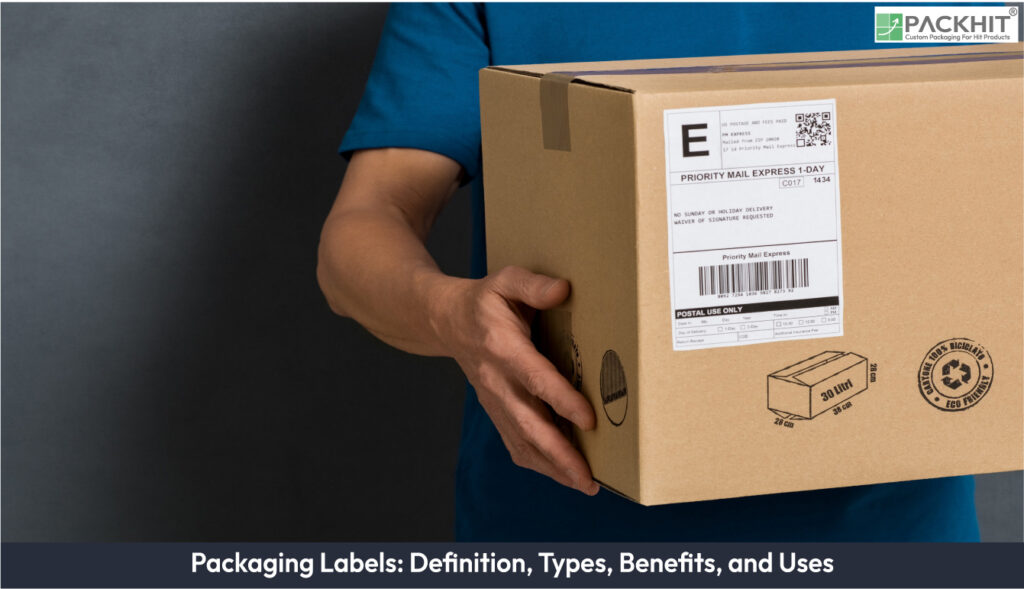
Packaging labels are information-bearing components used to identify products, communicate branding and regulatory information, and support tracking across packaging and distribution systems. Adhesive, smart, tamper-evident, durable, decorative, and other label formats address different requirements, with performance shaped by the package surface, adhesive system, printing method, moisture or temperature exposure, and handling conditions. Their applications span product identification, compliance, branding, inventory management, and digital interaction, while technologies such as QR codes, NFC, and RFID extend labels into connected tracking and information systems. For manufacturers, effective label selection requires balancing adhesion, legibility, scan reliability, durability, production compatibility, and the intended recycling or disposal pathway.
What are Packaging Labels?
Packaging labels are physical or digital markers affixed to product packaging to convey essential information. They typically include product details, branding elements, regulatory compliance data, and logistical identifiers. Core properties of packaging labels include material composition, adhesive type, and printing method, while dynamic properties such as durability, water resistance, and customizability vary based on application requirements.
Unlike the package itself, which contains, protects, or transports the product, a packaging label is an information-bearing component attached to or integrated with that package. It can identify the product, communicate required information, support branding or tracking, and provide handling or digital data without serving as the package’s primary structural container.
Material Composition and Printing Techniques
Packaging labels are manufactured using diverse materials, including paper, vinyl, polyester, and fabric. Paper-based labels are cost-effective and widely used for general applications, while vinyl and polyester labels offer enhanced durability and resistance to environmental factors. Printing techniques such as lithography, flexography, and digital printing are employed to achieve high-resolution graphics and text. Embossing and foil stamping are additional methods used to create tactile and visually appealing labels for premium products.
Types of Packaging Labels
Packaging labels are classified based on their functionality, material composition, and intended application. These categories help manufacturers choose the right label type to meet their product and industry needs effectively. The most common types include:
- Adhesive Labels: Self-adhesive labels that can be permanent or removable, offering a versatile solution for packaging across industries. These labels are suitable for surfaces such as paper, plastic, glass, and metal.
- Embossed Labels: Featuring raised designs, embossed labels enhance the tactile and visual appeal of products, making them ideal for luxury items like perfumes and high-end beverages.
- Smart Labels: Integrated with technologies such as Near Field Communication (NFC) and Radio Frequency Identification (RFID), smart labels enable real-time tracking, inventory management, and interactive consumer engagement.
- Waterproof Labels: Engineered to resist moisture and other environmental factors, these labels are commonly used in food, beverage, and personal care products that require durability in wet conditions.
- Eco-Friendly Labels: Made from sustainable materials, such as recycled paper or biodegradable films, eco-friendly labels align with environmental initiatives while maintaining functionality.
- Custom Die-Cut Labels: Designed in unique shapes and sizes, die-cut labels allow brands to stand out on shelves while adhering seamlessly to irregularly shaped packaging.
- Hot Foil Labels: Created using a hot foil stamping process, these labels provide a premium look with metallic finishes, often used for branding high-end products such as wines and cosmetics.
- Tamper-Evident Labels: Designed to show visible signs of tampering, these labels ensure product integrity and are widely used in pharmaceuticals, food, and electronics packaging.
Benefits of Packaging Labels
Packaging labels provide benefits across compliance, identification, operations, branding, and product communication, but these requirements should not be treated as equally important in every application. For manufacturers, required information and reliable readability come first; adhesion and durability become critical when packages encounter moisture, abrasion, temperature changes, or repeated handling. For labels used in automated logistics, scan reliability and placement should generally take priority over decorative finishes that could interfere with machine readability.
- Brand Recognition: Labels provide space for logos, colors, and other visual elements, but branding should not reduce the visibility of required product information or machine-readable codes.
- Regulatory Compliance: Labels can carry required warnings, instructions, ingredients, or other regulated information. The applicable requirements depend on the product category and market where it is sold.
- Operational Efficiency: Barcode, QR code, and RFID labels can support identification, inventory, and tracking processes when their placement and readability are compatible with the systems used.
- Consumer Engagement: QR codes, NFC, and other interactive elements can connect physical packaging with digital information, provided they remain accessible and functional throughout the intended use period.
- Information Durability: Suitable label materials, printing, and adhesives help keep important information attached and legible during expected storage, handling, and distribution conditions.
Performance and Operational Value
Effective packaging labels can support product identification, shelf communication, regulatory information, and logistics when their design and construction match the application. Barcode, QR code, RFID, and other machine-readable labels can also support tracking and inventory workflows, although performance depends on print quality, data accuracy, scanning conditions, system integration, and label placement.
Rather than assuming a specific improvement in sales or tracking accuracy, manufacturers should evaluate label performance against measurable requirements such as scan readability, information legibility, adhesion, durability, and compatibility with the packaging surface.
How are Packaging Labels Used?
Packaging labels are used throughout the product lifecycle, from manufacturing to end-user interaction. Their uses include:
- Product Identification: Labels display product names, codes, and specifications for easy recognition.
- Marketing and Branding: Labels incorporate logos, taglines, and promotional messages to attract consumers.
- Regulatory Information: Labels provide mandatory details, including safety warnings and certifications.
- Logistics and Tracking: Barcode and RFID labels facilitate inventory management and shipment tracking.
- Consumer Interaction: Smart labels enable digital engagement through mobile apps and online platforms.
Integration with Modern Packaging Systems
Packaging labels can be integrated with automated printing, application, inspection, and scanning systems used on production and fulfillment lines. Equipment throughput varies according to the labeling machine, label dimensions, package geometry, application method, line configuration, and inspection requirements.
For high-volume operations, manufacturers should therefore evaluate more than maximum application speed. Label-feed consistency, placement accuracy, adhesive performance, print readability, barcode or code verification, and compatibility with existing production equipment can be equally important to reliable labeling performance.
Specialized Labels for Industry-Specific Applications
Certain industries require packaging labels tailored to their unique regulatory and functional needs. Examples include:
- Pharmaceutical Labels: These labels include critical information such as dosage instructions, warnings, and regulatory compliance data, meeting stringent standards set by agencies like the FDA.
- Food Packaging Labels: Often required to display nutritional facts, expiration dates, and allergen warnings, these labels ensure consumer safety and compliance with food labeling regulations.
- Industrial Labels: Designed for extreme conditions, such as high temperatures and chemical exposure, industrial labels are used on machinery, equipment, and hazardous materials.
- Cosmetic Labels: Focused on branding while adhering to FDA guidelines, these labels often include ingredient lists and usage instructions to ensure both compliance and consumer trust.
- Logistics and Asset Tracking Labels: Barcode and RFID labels optimize inventory management, reduce errors, and enhance supply chain visibility in sectors such as retail and manufacturing.
By understanding the various types of packaging labels and their specific applications, manufacturers can make informed choices to enhance product presentation, ensure compliance, and improve operational efficiency.
What Can Cause Packaging Labels to Fail?
Packaging label performance can decline when the label construction does not match the package surface or its storage and distribution environment. Common failure modes include:
- Adhesion Failure: Labels may lift, curl, or detach when the adhesive is incompatible with the package surface, particularly on textured, curved, contaminated, or difficult-to-bond materials.
- Loss of Legibility: Moisture, abrasion, chemicals, temperature exposure, or unsuitable printing can make text, warnings, and product information difficult to read.
- Barcode or QR Code Failure: Poor print contrast, damaged codes, incorrect placement, wrinkles, or surface curvature can interfere with reliable scanning.
- Material Damage: Label facestocks can tear, distort, or deteriorate when their durability does not match the handling environment.
- Removal Problems: A permanent adhesive can damage a surface when removability is required, while an easily removable adhesive may not provide sufficient holding strength for long-term labeling.
Manufacturers should evaluate these risks under the conditions in which the package will actually be filled, stored, handled, transported, and used.
What are NFC Labels and Their Applications?
NFC (Near Field Communication) labels are a subset of smart labels that enable wireless data transfer between the label and a compatible device. These labels are widely used in retail for product authentication, interactive marketing, and contactless payments. For instance, a consumer can tap their smartphone on an NFC-enabled label to access product details or promotional offers.
ARC-Certified RFID Labels
ARC-certified RFID labels meet stringent standards for performance and reliability, making them suitable for industries such as logistics and healthcare. These labels facilitate real-time tracking and inventory management, reducing operational inefficiencies and enhancing security.
Why are Packaging Labels Regulated?
Packaging labels are subject to regulatory oversight to ensure consumer safety and fair trade practices. Agencies such as the FDA and FTC mandate specific labeling requirements for food, pharmaceuticals, and consumer goods. Compliance with these regulations not only protects consumers but also shields manufacturers from legal liabilities.
Regulation of Pesticide Labels
Pesticide labels are regulated by the Environmental Protection Agency (EPA) to include critical information such as usage instructions, safety precautions, and environmental impact. Non-compliance can result in fines and product recalls, emphasizing the importance of accurate labeling.
How Should Packaging Labels Be Stored and Handled?
Unused labels should be stored and handled according to the material and adhesive requirements provided for the selected label construction. Before application, packaging surfaces should be suitable for bonding and free from conditions that could interfere with adhesion. Labels intended for automated application should also be protected from deformation or contamination that could affect feeding, placement, or scanning.
