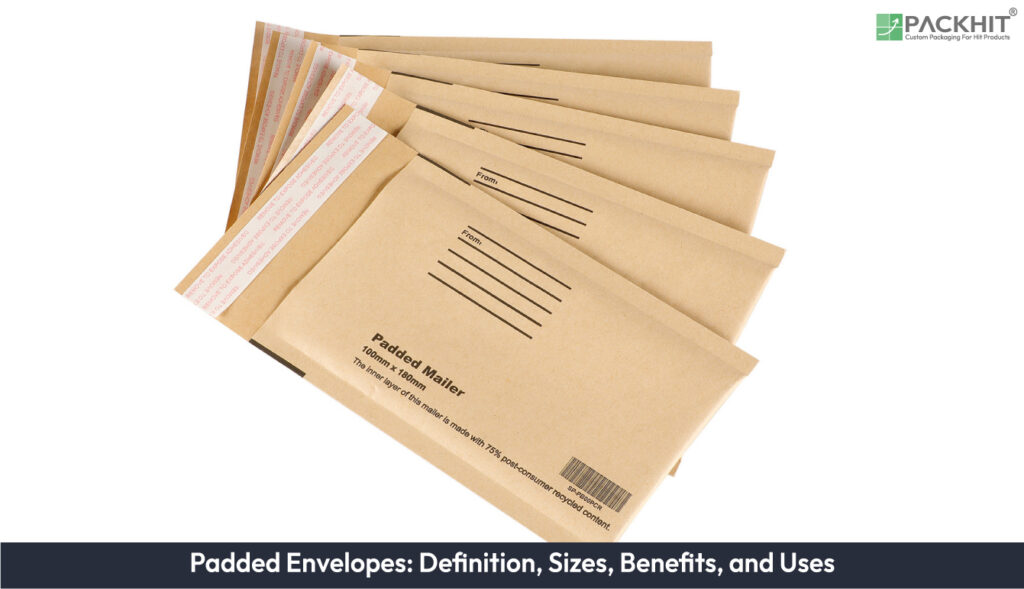
Padded envelopes, also referred to as padded mailers, are specialized packaging solutions designed to protect items during shipping. These envelopes incorporate cushioning materials, such as bubble wrap or cellulose-based padding, between layers of paper or plastic. Available in various sizes and configurations, padded envelopes are widely used across industries for their ability to safeguard fragile or sensitive items while maintaining a lightweight and compact form. Their applications range from shipping electronics to eco-conscious packaging for e-commerce. Recent advancements, such as curbside recyclable paper-padded mailers, have further enhanced their relevance in sustainable packaging practices.
- What are Padded Envelopes?
- What Sizes are Available for Padded Envelopes?
- What are the Benefits of Using Padded Envelopes?
- How are Padded Envelopes Used Across Industries?
- What are the Common Failure Risks of Padded Envelopes?
- Are Padded Envelopes Suitable for Fragile Items?
- What are Honeycomb Paper Padded Envelopes?
- Are All Padded Envelopes Recyclable?
What are Padded Envelopes?
Padded envelopes are protective mailers that combine an outer paper or plastic layer with internal cushioning such as bubble film, foam, or cellulose-based padding. The cushioning helps absorb impacts and limit movement during handling and transit. They are typically most useful for small-to-medium items that need more cushioning than an unpadded mailer but do not require the structural support of a rigid box.
Material Composition and Variants
Padded envelope construction affects cushioning, moisture resistance, flexibility, and end-of-life options. Common types include:
- Paper-Padded Mailers: Paper outer layers combined with fiber-based cushioning can suit products that need light protection in a predominantly paper-based mailer. Recycling suitability depends on the complete construction and the collection system available locally.
- Bubble Mailers: A kraft paper or plastic exterior surrounds an internal bubble layer that cushions items against impacts. They can suit small, relatively fragile products, although mixed paper-and-plastic constructions may complicate recycling.
- Poly Mailers: Polyethylene-based mailers provide flexibility and moisture resistance for lightweight products. They are better suited to non-fragile goods because the thin construction provides limited protection against crushing or strong impacts.
The best construction depends on which requirement matters most. Bubble mailers are generally the stronger choice when cushioning is the priority, while poly mailers are better suited to lightweight, non-fragile products where flexibility and moisture resistance matter more than impact protection. Paper-padded mailers are worth prioritizing when a predominantly fiber-based construction is preferred, provided they offer enough protection for the product and suit the intended recycling system. Crush-sensitive, heavy, sharp-edged, or highly fragile items generally require a rigid box with suitable cushioning because flexible mailers provide limited structural support against compression and puncture.
What Sizes are Available for Padded Envelopes?
Padded envelopes are available in multiple sizes, with common examples including:
- Small (around 6 × 9 inches): Can accommodate compact items such as jewelry, accessories, or small electronic products.
- Medium (around 8.5 × 11 inches): Can suit documents, books, and similarly sized lightweight products.
- Large (around 10 × 15 inches): Provides more space for clothing, accessories, and other larger items that do not require rigid packaging.
These dimensions should be treated as examples rather than universal standards because supplier sizing varies. Select a mailer with enough internal space for the product and cushioning without leaving excessive room for movement. Custom dimensions may be useful when standard envelopes create too much unused space or compress the contents.
What are the Benefits of Using Padded Envelopes?
The main advantage of a padded envelope is that it combines flexible cushioning with a compact shipping format. Its usefulness depends on the product and the level of protection required.
Protection and Durability
The internal padding creates a cushioning layer between the product and external surfaces, which can help reduce the effects of routine impacts and abrasion. Bubble-lined mailers, for example, may suit small electronics or accessories that need cushioning but do not require rigid positioning. Crush-sensitive, heavy, or highly fragile products may still need a box or fitted protective packaging.
Lightweight and Space-Efficient
Padded envelopes generally use less rigid material than a comparable shipping box and can add relatively little packaging weight for suitable products. Any shipping-cost advantage depends on the packed dimensions, weight, carrier pricing, and service used rather than the mailer alone. Their flat format can also require less storage space before use than assembled boxes.
Paper-Based Options
Fiber-padded mailers provide an alternative when manufacturers want to reduce mixed-material packaging. Their actual recyclability depends on coatings, adhesives, cushioning construction, and local collection requirements, so disposal claims should be verified for the specific mailer rather than assumed from its paper exterior.
How are Padded Envelopes Used Across Industries?
Padded envelopes are commonly used where products need a combination of cushioning, compact dimensions, and straightforward parcel handling.
- E-Commerce and Retail: E-commerce and retail businesses can use padded envelopes for accessories, clothing, books, small electronics, and other products that fit safely within a flexible mailer. The deciding factor should be whether the product can tolerate compression and parcel handling without the rigid walls of a box.
- Electronics Shipping: Bubble or other cushioned mailers can protect suitable electronic products from routine impact and surface contact. Typical padded envelopes with standard bubble, foam, or cellulose cushioning are not inherently designed for electrostatic discharge control. When shipping static-sensitive circuit boards or electronic components, use packaging made with materials specifically intended for ESD protection and clearly identified for that purpose.
- Sustainable Packaging Initiatives: Paper-padded mailers may be considered when a business wants a predominantly fiber-based alternative to mixed-material cushioning. The better choice depends on whether the mailer provides the required protection while fitting the recycling or disposal infrastructure available in the destination market.
What are the Common Failure Risks of Padded Envelopes?
Padded envelopes can fail when the outer layer tears, sharp edges puncture the mailer, or heavy pressure compresses the cushioning around the product. Repeated rubbing can also wear through paper or plastic surfaces, especially around corners and seams. For sharp, heavy, crush-sensitive, or highly fragile items, a rigid box or additional internal protection may be more appropriate.
Material handling also matters. Paper-padded mailers should be kept reasonably dry, while plastic or bubble-lined versions should be checked for punctures and separated by material where local recycling systems require it. Static-sensitive electronics need ESD-specific packaging rather than standard padded cushioning alone.
Are Padded Envelopes Suitable for Fragile Items?
They can suit smaller items that need flexible impact cushioning, but protection depends on the product’s fragility, weight, and shape. Crush-sensitive or highly fragile products may require a rigid box with additional cushioning.
What are Honeycomb Paper Padded Envelopes?
Honeycomb paper padded envelopes are a specific type of eco-friendly mailer that uses a honeycomb-structured paper layer for cushioning. This design provides robust protection while maintaining full recyclability. Available in various colors, such as white and natural kraft, these envelopes are gaining popularity in sustainable packaging solutions. These envelopes are particularly suited for shipping lightweight yet fragile items, such as cosmetics, small electronics, and artisanal goods. Their aesthetic appeal also makes them a preferred choice for premium packaging.
Are All Padded Envelopes Recyclable?
No. Recyclability depends on the outer material, cushioning, adhesives, coatings, and local collection requirements. Paper-based mailers may fit paper recycling streams more easily when their complete construction is accepted locally, while mixed-material mailers can require different handling.