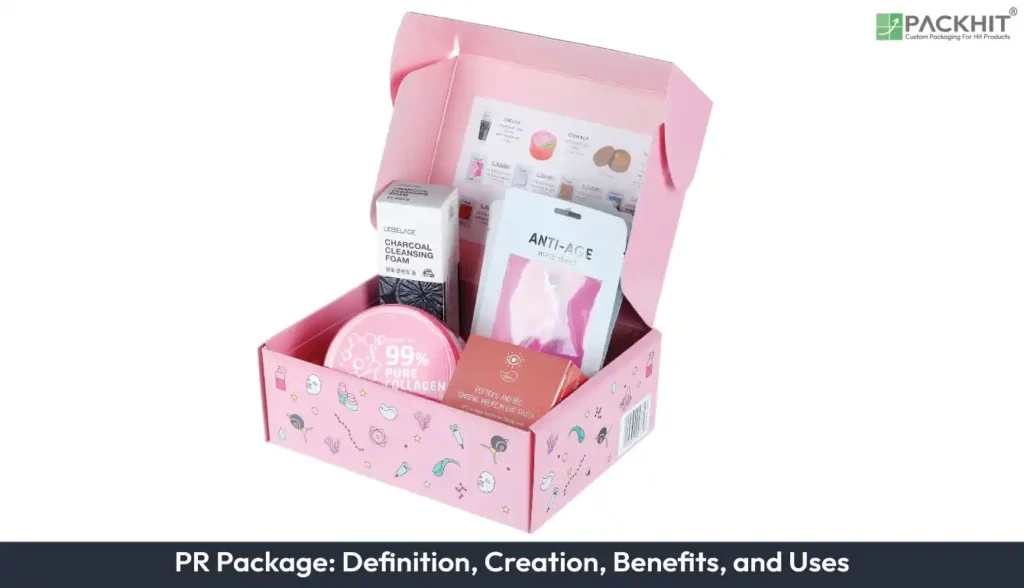
A PR package, or public relations package, is a curated set of promotional materials designed to engage influencers, media professionals, or targeted audiences. These packages typically include branded products, samples, and personalized elements tailored to the target audience, all presented in custom-designed packaging. Creating an effective PR package involves defining objectives, curating contents, focusing on custom packaging design, personalizing elements, planning distribution, and tracking performance. PR packages are widely used in influencer marketing campaigns, where their aesthetic appeal, personalization, and strategic content selection play a critical role in amplifying brand visibility and resonance.
- What is a PR Package?
- How to Create an Effective PR Package?
- 1. Define Objectives and Target Audience
- 2. Curate Relevant Contents
- 3. Focus on Custom Packaging Design
- 4. Personalize the Package
- 5. Plan Distribution and Timing
- 6. Track Performance
- How Does a PR Package Benefit Manufacturers?
- Enhanced Brand Visibility
- Targeted Marketing
- Cost-Effectiveness
- Increased Engagement
- Potential for Collaboration
- Common Uses of PR Packages
- Challenges When Creating PR Packages
- What are the Emerging Trends in PR Package Design?
What is a PR Package?
A PR package includes curated products, promotional materials, and personalized touches, all enclosed in visually appealing, custom-designed packaging. The goal is to resonate with the recipient, whether an influencer, journalist, or customer, and to encourage organic promotion through unboxing experiences or reviews.
How to Create an Effective PR Package?
Creating an effective PR package involves a strategic combination of planning, design, and execution. Each step should focus on delivering a memorable and personalized experience that aligns with the brand’s objectives and resonates with the target audience. Below are the essential steps to guide manufacturers in developing impactful PR packages:
1. Define Objectives and Target Audience
The first step in creating a PR package is to clearly define the campaign’s objectives and identify the target audience. Segment the target audience into groups, such as social influencers, media professionals, and loyal customers, to tailor the campaign approach effectively for each demographic.
2. Curate Relevant Contents
Select products and content that are relevant to the recipient and aligned with the brand’s values. Prioritize aesthetically pleasing, social-shareable items for influencers; focus on high-quality press kits and technical product data for media professionals; and provide exclusive perks or early access for loyal customers to ensure the contents provide a tangible experience of the brand.
3. Focus on Custom Packaging Design
Invest in custom-designed packaging that reflects the brand’s identity and enhances the unboxing experience. Prioritize “unboxing” appeal and shareability for influencers; maintain a professional, concise, and brand-aligned aesthetic for media; and emphasize durability and eco-friendly materials for loyal customers to increase the package’s appeal.
4. Personalize the Package
Incorporate personalized elements into the package to make the recipient feel valued. Use personalized brand notes for influencers, include technical product guides for media, and add appreciative, loyalty-focused messages for repeat customers to increase the likelihood of engagement and social media sharing.
5. Plan Distribution and Timing
Determine the most effective distribution channels and timing for sending the PR packages. Launch influencer campaigns before public release to generate hype, align media kits with editorial cycles or press embargoes, and schedule customer packages to celebrate brand milestones to maximize impact.
6. Track Performance
Use analytics tools to track the performance of the PR package campaign using audience-specific metrics. Measure influencer success by social engagement and reach, evaluate media coverage by feature placement and editorial sentiment, and assess customer campaigns by referral rates and direct conversions.
How Does a PR Package Benefit Manufacturers?
PR packages benefit manufacturers by serving as a strategic tool to showcase their products and build relationships with key stakeholders. By leveraging custom packaging and curated content, manufacturers can achieve several benefits:
Enhanced Brand Visibility
PR packages can help to promote brand visibility by leveraging the power of social media and influencer outreach. When sent to influencers with substantial followings, these packages often result in organic promotion through unboxing videos, reviews, and posts that can amplify audience reach and engagement. Success depends heavily on influencer alignment and the quality of the content.
Targeted Marketing
Through strategic curation, PR packages can enable manufacturers to do targeted marketing by directly addressing niche demographics. By aligning the package contents with the preferences of specific audiences, brands can often achieve more effective communication. Regardless, effectiveness is contingent upon accurate data regarding niche audience preferences.
Cost-Effectiveness
Compared to traditional advertising methods, PR packages often offer a cost-effective yet impactful marketing approach. Their personalization and tangible nature typically make them more memorable, potentially providing manufacturers with a cost-efficient method to showcase products and foster brand loyalty. Nevertheless, costs can escalate quickly with high-volume distribution or premium packaging materials.
Increased Engagement
The interactive unboxing experience, combined with personalized elements like handwritten notes, can help increase engagement by encouraging recipients to connect with the brand. This emotional engagement often strengthens relationships and can prompt users to share their experiences on public platforms, furthering brand promotion. Keep in mind that engagement is subjective and may not always translate into tangible long-term customer loyalty.
Potential for Collaboration
PR packages can serve as a gateway to build potential collaborations with influencers, media professionals, and other industry stakeholders. This can potentially result in long-term benefits, including increased exposure, credibility, and opportunities for co-marketing initiatives. Building genuine, mutually beneficial partnerships may require significant time and ongoing effort beyond the initial outreach.
Common Uses of PR Packages
PR packages are versatile marketing tools that can serve a variety of uses across industries. By combining creativity with strategic planning, these packages help brands achieve specific objectives while fostering engagement and visibility. Below are the primary applications of PR packages:
- Influencer Marketing: Sending PR packages to influencers is an effective way to leverage their reach and generate organic promotion. Unboxing videos, reviews, and social media posts created by influencers amplify brand visibility and audience engagement.
- Product Launches: PR packages are often used during product launches to build excitement and buzz among target audiences. By providing tangible samples or exclusive previews, brands can create a memorable introduction for their products.
- Media Outreach: Brands use PR packages to connect with journalists and media professionals, aiming to secure coverage and build relationships. The curated contents of these packages often include press releases, promotional items, and product samples tailored to the media’s interests.
- Customer Engagement: PR packages can be designed to reward loyal customers or attract new ones. Personalized touches, such as custom packaging or handwritten notes, enhance customer satisfaction and foster long-term loyalty.
- Event Promotion: During events like trade shows, exhibitions, or conferences, PR packages serve as promotional handouts to showcase products and brand offerings, ensuring attendees have a tangible reminder of the brand.
Challenges When Creating PR Packages
Manufacturers encounter various challenges in the creation of PR packages, ranging from logistical hurdles to audience-specific considerations. Key obstacles include:
- High Production Costs: Designing custom packaging and curating personalized content can be expensive, especially for small-scale manufacturers.
- Relevance Research: Extensive research is required to ensure the package contents align with the recipient’s preferences and the brand’s objectives.
- Sustainability Concerns: PR packages risk being perceived as wasteful if they lack eco-friendly materials or sustainable practices.
- Recipient Engagement Variability: The success of a PR package depends heavily on the recipient’s willingness to engage with and promote the package contents.
- Execution Risks: Poor timing, inadequate distribution planning, or weak design can undermine the campaign’s effectiveness.
In practice, the biggest lever is usually relevance research. If the content matches the recipient, the personalization and design tend to translate into higher engagement. The main trade-off is that more customization can raise production costs, so start by prioritizing audience fit before expanding into heavier design elements.
What are the Emerging Trends in PR Package Design?
The evolution of PR package design reflects changing market demands and technological advancements. Emerging trends include:
- Eco-Friendly Materials: Manufacturers are increasingly adopting sustainable materials and practices, such as recyclable packaging and biodegradable contents.
- Digital PR Packages: Digital innovations, such as QR codes and augmented reality features, have enhanced the interactive experience of traditional PR packages.
- Interactive Designs: Incorporating elements like fold-out compartments or gamified unboxing experiences adds novelty and engagement value.
- Personalization at Scale: Advanced production techniques enable manufacturers to create highly personalized packages that cater to large audiences without compromising quality.
- Collaborative Campaigns: Co-branded PR packages, developed in partnership with influencers or other brands, are gaining traction for their mutual promotional benefits.