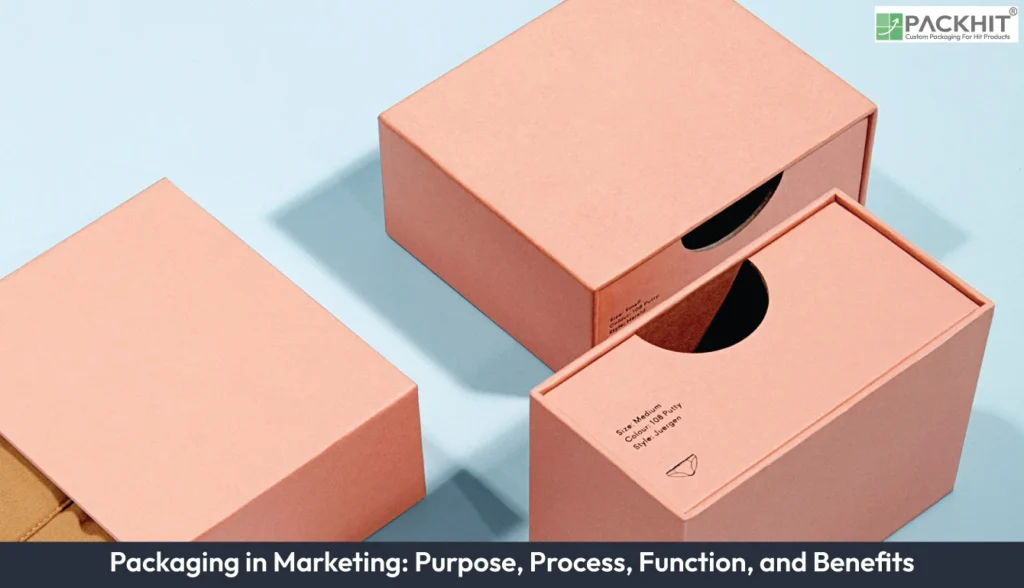
Packaging in marketing is the strategic use of packaging design, materials, graphics, labeling, and structural features to protect products while promoting brands and influencing consumer purchasing decisions. It combines functionality with marketing by enhancing product visibility, communicating brand identity, improving customer experience, and differentiating products in competitive markets. Effective packaging serves multiple marketing purposes, including attracting attention, strengthening brand recognition, supporting consumer engagement, and conveying essential product information. It also performs key marketing functions such as brand communication, product differentiation, customer interaction, and sustainability support, providing benefits that include increased brand awareness, improved customer satisfaction, stronger market positioning, and greater product success across retail and e-commerce channels.
- What is Packaging in Marketing?
- What is the Purpose of Packaging in Marketing?
- Packaging Design and Implementation Process for Marketing
- 1. Define Product and Marketing Objectives
- 2. Select Packaging Structure and Materials
- 3. Develop Graphics, Labels, and Brand Elements
- 4. Add Functional and Interactive Features
- 5. Test Packaging Performance Across Channels
- Common Materials Used for Packaging in Marketing
- What are the Functions of Packaging in Marketing?
- Brand Communication
- Consumer Engagement
- Differentiation in Competitive Markets
- Facilitating Consumer Decision-Making
- Enhancing Customer Experience
- Supporting Sustainability Goals
- What are the Benefits of Packaging in Marketing?
- How Does Packaging Influence Consumer Purchasing Decisions?
- Why is Sustainable Packaging Important in Marketing?
- How Does Packaging Influence Digital Marketing?
- Future Trends in Packaging for Marketing Success
What is Packaging in Marketing?
Packaging in marketing refers to the strategic design, development, and use of product containers and presentation elements to support both product protection and brand communication. It combines packaging materials, structural design, graphics, labeling, finishes, and customer interaction features to influence how products are recognized and experienced.
Packaging is more than a protective layer around a product. The outer carton, bottle, pouch, label, closure, or other packaging components can communicate brand identity across retail shelves, e-commerce listings, and customer unboxing experiences. The marketing impact depends on factors such as product category, target audience, distribution channel, material choice, and how clearly packaging communicates value.
What is the Purpose of Packaging in Marketing?
Packaging is an integral component of marketing, serving as a multi-functional tool that directly influences consumer perceptions, purchasing decisions, and brand success. Below are the key reasons why packaging holds such significance in the marketing domain:
- Shelf Impact: Packaging creates the first visual interaction between a product and consumers. Distinctive combinations of colors, typography, graphics, structural shapes, and packaging materials can help products attract attention and stand out in competitive retail environments.
- Promotion: Packaging supports brand promotion by displaying elements such as logos, taglines, imagery, and campaign messages that strengthen brand recognition.
- Customer Experience: Packaging can improve the overall product experience through features such as resealable closures, easy-open tabs, ergonomic bottle designs, tamper-evident seals, protective inserts, and clearly organized labels that enhance convenience, usability, and presentation.
- Differentiation: Packaging helps products stand apart from competitors by reflecting unique brand characteristics, design styles, and market positioning.
- Communication: Packaging communicates important information about products, including features, instructions, ingredients, and required labeling details, helping consumers make informed choices.
- Brand Image: Packaging represents a brand’s identity and values. Material selection, structural design, printing quality, embossing, foil stamping, matte or gloss finishes, and consistent brand graphics can influence how consumers perceive product quality and brand reputation.
- Marketing Impact: By combining functionality with strategic design, packaging becomes a powerful tool in marketing, influencing consumer behavior, building brand loyalty, and ensuring product success in competitive markets.
Packaging Design and Implementation Process for Marketing
Developing marketing-focused packaging requires balancing brand communication, product protection, customer expectations, and distribution requirements. A typical packaging workflow includes the following stages:
1. Define Product and Marketing Objectives
Manufacturers first identify the product category, target audience, sales channel, and desired customer experience. For example, retail shelf packaging may prioritize visibility and quick recognition, while e-commerce packaging may require stronger protection and an effective unboxing experience.
2. Select Packaging Structure and Materials
The packaging structure and materials are selected based on product requirements, brand positioning, sustainability goals, and distribution conditions. Factors such as durability, barrier protection, weight, recyclability, and production cost influence whether a business chooses materials such as paperboard, plastic, glass, metal, or flexible packaging.
3. Develop Graphics, Labels, and Brand Elements
Packaging graphics translate brand identity into visual communication. Designers select elements such as logos, typography, colors, illustrations, product information, finishes, and label layouts to improve recognition and communicate product value.
4. Add Functional and Interactive Features
Features such as resealable closures, tamper-evident seals, protective inserts, QR codes, NFC tags, or augmented reality (AR) experiences may be included when they support convenience, engagement, product information, or promotional goals.
5. Test Packaging Performance Across Channels
Before launch, packaging should be evaluated for suitability across its intended environment. Testing considerations may include product protection during transportation, shelf display requirements, label readability, opening experience, and compatibility with retail or e-commerce fulfillment.
Common Materials Used for Packaging in Marketing
Material selection influences both product protection and brand perception. Common packaging materials include:
- Paperboard and Corrugated Cardboard: Lightweight, printable, recyclable, and widely used for retail cartons and shipping boxes.
- Plastic: PET, HDPE, PP, and flexible films provide durability, moisture resistance, and lightweight transportation.
- Glass: Often chosen for food, beverage, cosmetic, and fragrance products because it provides strong barrier protection and supports a refined appearance through its transparency, weight, and finish.
- Metal: Aluminum and steel packaging provide strength, long shelf life, and excellent barrier protection for beverages, foods, and aerosol products.
- Flexible Packaging: Pouches and multilayer films reduce material usage while improving shipping efficiency for many consumer goods.
Material selection depends on factors including product sensitivity, required barrier properties, shelf-life, moisture and oxygen resistance, transportation conditions, printing requirements, sustainability goals, production costs, and customer expectations.
What are the Functions of Packaging in Marketing?
Packaging in marketing serves a multidimensional role that spans from protecting products to enhancing their marketability. Below are the primary functions of packaging in marketing:
Brand Communication
Brand packaging serves as a powerful medium for brand storytelling and recognition. Visual elements such as logos, typography, color palettes, illustration styles, embossing, foil stamping, matte or gloss finishes, and label layouts create a consistent brand identity across retail shelves and digital marketplaces. Minimalist designs often signify luxury, while eco-friendly packaging reflects sustainability values.
Consumer Engagement
Modern packaging designs incorporate interactive elements to enhance consumer engagement. Features like QR codes, augmented reality (AR) experiences, or resealable closures provide added convenience and value. These innovations also integrate with digital marketing strategies, linking consumers to online content, promotional offers, or loyalty programs. For example, AR-enabled packaging can offer immersive brand experiences, such as virtual product demonstrations. Features such as QR codes, augmented reality (AR), NFC tags, resealable zippers, and peel-back labels can improve convenience while connecting consumers to digital content, loyalty programs, product authentication, or promotional campaigns.
Differentiation in Competitive Markets
In crowded marketplaces, packaging acts as a differentiator by highlighting unique brand attributes or innovations. Custom shapes, bold colors, or thematic designs make products stand out on retail shelves. For instance, brands targeting eco-conscious consumers utilize biodegradable materials and earthy tones to communicate their commitment to sustainability, ensuring alignment with consumer values.
Facilitating Consumer Decision-Making
Clear and informative packaging helps consumers make informed purchasing decisions. Labels that provide detailed product information, such as nutritional values, usage instructions, or certifications like “organic” or “cruelty-free,” simplify the evaluation process at the point of sale. Packaging that combines clarity with visual appeal fosters trust and reduces hesitation in purchasing.
Enhancing Customer Experience
Thoughtfully designed packaging can enhance the unboxing experience by combining protective construction with presentation features. Materials such as textured paperboard, rigid boxes, glass containers, or recyclable paper-based packaging, together with features like magnetic closures, resealable zippers, pull tabs, tamper-evident seals, or custom inserts, improve usability and presentation. Personalized printing, branded tissue paper, or thank-you cards can further strengthen customer engagement and encourage repeat purchases.
Supporting Sustainability Goals
As environmental concerns grow, packaging plays a critical role in achieving sustainability objectives. The use of recyclable, compostable, or biodegradable materials not only reduces the ecological footprint but also appeals to environmentally conscious consumers.
In practice, the right approach depends on your product’s shelf/storage needs and the channel (retail vs e-commerce): highly durable barrier features matter most for moisture- or oxygen-sensitive goods, while visual/interactive elements matter most when customers make quick choices from a distance or via product listings.
What are the Benefits of Packaging in Marketing?
Packaging in marketing improves sales outcomes by protecting products, communicating brand identity, enabling clear labeling, and shaping purchase decisions at shelf and during delivery.
- Improved Product Visibility: Strategic use of graphics, color, structure, and finishes can help products gain attention in retail and digital environments.
- Stronger Brand Recognition: Consistent packaging elements can help customers identify products across different channels.
- Better Customer Understanding: Clear labels and organized information can support informed purchasing decisions.
- Enhanced Customer Experience: Functional features such as convenient openings or protective designs can improve product interaction.
- Market Differentiation: Distinctive packaging structures, die-cut windows, custom bottle shapes, textured finishes, embossing, or color-coded visual systems can help products stand apart from competing products.
- Sustainability Alignment: Responsible material choices may support environmental goals when supported by appropriate production and disposal systems.
Packaging benefits are influenced by product type, customer expectations, sales channel, and production constraints. A design that works well for one category may not provide the same impact in another.
How Does Packaging Influence Consumer Purchasing Decisions?
Packaging influences purchasing decisions by improving shelf visibility, communicating product information, reinforcing brand recognition, and creating a positive first impression through colors, typography, materials, and structural design.
Why is Sustainable Packaging Important in Marketing?
Sustainable packaging helps reduce environmental impact while supporting consumer expectations for responsible products. Businesses may use recyclable, compostable, biodegradable, or reusable materials when they meet product protection, regulatory, and performance requirements.
How Does Packaging Influence Digital Marketing?
Packaging plays a pivotal role in digital marketing by serving as a visual asset in online campaigns. High-quality images of packaging are often used in advertisements, social media posts, and e-commerce listings to attract consumers and convey product value. Packaging can integrate digital elements, such as QR codes or NFC tags, to connect consumers to online content, promotions, or loyalty programs. This integration bridges the gap between physical products and digital experiences, enhancing consumer engagement and driving sales.
Future Trends in Packaging for Marketing Success
Emerging trends in packaging for marketing include the adoption of sustainable materials, such as recycled paper and biodegradable plastics, to meet consumer demand for eco-friendly products. Smart packaging technologies, such as RFID tags and temperature-sensitive labels, are also gaining traction for their ability to enhance supply chain transparency and product tracking. Personalized packaging, enabled by digital printing technologies, allows manufacturers to create unique designs tailored to specific consumer segments, further strengthening brand loyalty and market differentiation.