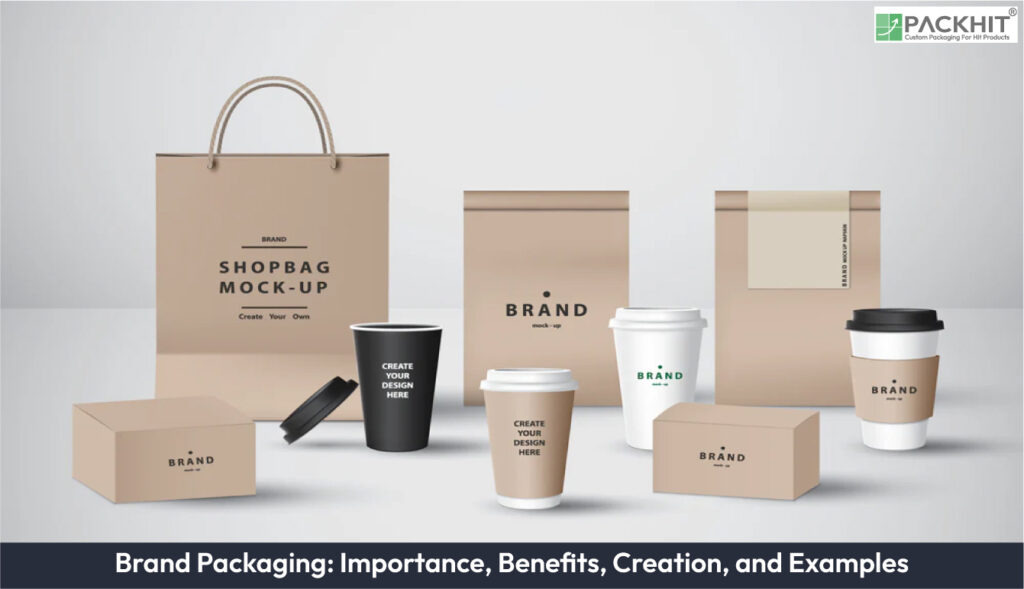
Brand packaging is a strategic design and production process used to reflect a brand’s identity, values, and messaging through custom packaging. For manufacturers, especially those using paper-based branded packaging, it can support brand recognition, product differentiation, customer experience, and product protection. Creating effective brand packaging typically involves defining brand identity, integrating consistent visual and textual elements, selecting suitable paper-based or other packaging materials, and working with packaging manufacturers to develop practical branded packaging solutions. Illustrative examples include luxury-oriented packaging associated with Chanel, reduced-packaging approaches used by Lush, and personalized packaging used in Coca-Cola campaigns.
- What is Brand Packaging?
- Why is Brand Packaging Important?
- What are the Benefits of Effective Brand Packaging?
- How to Create Effective Brand Packaging?
- Step 1: Define Brand Identity and Objectives
- Step 2: Integrate Visual and Textual Elements
- Step 3: Select Appropriate Materials
- Step 4: Collaborate with Professional Packaging Companies
- Examples of Effective Brand Packaging
What is Brand Packaging?
Brand packaging refers to the intentional design and production of packaging that reflects a brand’s identity, values, and messaging. It encompasses the integration of visual elements such as logos, typography, and colors, along with functional aspects of brand packaging, such as paper-based materials, box structure, and protective design. The goal is to create a cohesive, tangible representation of the brand that resonates with target audiences and differentiates it in the marketplace.
Why is Brand Packaging Important?
Brand packaging can influence consumer perceptions and support product differentiation, although its impact varies by product category, audience, sales channel, and overall brand strategy. It functions as a tangible representation of a brand’s identity, creating a visual and tactile experience that resonates with target audiences. Packaging design can influence purchasing decisions, particularly in competitive retail environments, which underscores the importance of presenting a clear and consistent brand message.
The primary importance of brand packaging lies in its ability to integrate the brand’s message into the product’s physical form. This integration can help packaging communicate the brand’s story, values, and unique selling propositions when the design, copy, and production choices are aligned. For instance, minimalist packaging designs often convey sophistication and sustainability, while vibrant, bold designs may reflect energy and innovation.
Enhancing Brand Recognition
Consistent and well-designed packaging enhances brand recognition by reinforcing visual identity elements such as logos, colors, and typography. These elements create a cohesive brand image that consumers can easily identify across different product lines and retail settings. For example, Coca-Cola’s red-and-white packaging is commonly used as an example of consistent brand cues across packaging.
Influencing Consumer Behavior
Brand packaging can influence consumer perception through elements such as texture, materials, color, and design aesthetics. Packaging texture, structure, and print finish can shape perceived value. For premium products, manufacturers may use rigid paper-based structures, sharper typography, embossing, or selective finishes; for sustainability-led brands, material choices should also be tested to ensure they still protect the product during storage and shipping. Some luxury brands use embossed logos, metallic finishes, and rigid box structures to support a premium positioning, although these features are not universally appropriate.
For manufacturers, the strongest brand packaging usually prioritizes brand consistency and product protection before decorative complexity. Premium finishes, sustainable materials, and interactive features can add value, but only when they fit production costs, shipping requirements, customer expectations, and the brand promise; otherwise, they can add cost or complexity without improving the packaging experience.
Note: Packaging results vary by product category, target audience, sales channel, budget, manufacturing constraints, and regulatory requirements. Design trends and brand examples should therefore be treated as reference points rather than guaranteed formulas for success.
What are the Benefits of Effective Brand Packaging?
Effective brand packaging offers multiple benefits that extend beyond aesthetics. These benefits include improved customer experience, enhanced product protection, and increased market competitiveness.
Improved Customer Experience
Packaging that aligns with a brand’s identity enhances the unboxing experience, creating a memorable interaction for the consumer. For e-commerce businesses, custom packaging may contribute to customer satisfaction and a more memorable unboxing experience. For example, personalized thank-you notes or branded tissue paper can elevate the unboxing process, leaving a lasting impression.
Market Differentiation
In saturated markets, unique packaging designs can differentiate a brand from competitors. Within branded paper-based packaging, manufacturers can use custom shapes, structural features, printed QR codes, or other brand-linked elements to differentiate the pack while keeping the design tied to the brand identity. For example, NFC-enabled packaging can provide access to product information or promotional content when the feature is relevant and easy for customers to use.
These interactive features are not separate from brand packaging strategy; when used, they should support the same brand identity, messaging, and customer experience expressed through the printed and structural design of the package.
Product Protection and Functionality
Beyond aesthetics, packaging must ensure the safety and integrity of the product during transportation and storage. Materials such as corrugated cardboard, biodegradable plastics, and rigid kraft boxes are commonly used to balance functionality with sustainability. Home-compostable packaging can be considered as one possible approach where the material is suitable for the product, production process, and intended disposal conditions
How to Create Effective Brand Packaging?
Creating effective brand packaging involves a brand packaging development process that integrates branded design, paper-based material selection, structural requirements, and production techniques. Each step must align with the brand’s identity and target audience to ensure consistency and impact.
Step 1: Define Brand Identity and Objectives
The first step in designing brand packaging is to clearly define the brand’s identity, including its values, mission, and target audience. This information serves as the foundation for all design decisions. For example, a sustainable skincare brand may prioritize eco-friendly materials and minimalist designs to align with its environmental values.
Step 2: Integrate Visual and Textual Elements
Visual elements such as logos, color schemes, and typography should be seamlessly integrated into the packaging design to ensure brand consistency. Textual elements, including product descriptions and taglines, should be concise and aligned with the brand’s tone of voice. For instance, luxury brands often use serif fonts and metallic accents to convey elegance and sophistication.
For paper-based branded packaging, this typically means applying the brand system consistently across cartons, boxes, sleeves, labels, inserts, and other printable surfaces.
Step 3: Select Appropriate Materials
Material selection for brand packaging is important for balancing branded presentation, product protection, manufacturing requirements, and sustainability goals. For manufacturers focused on paper-based branded packaging, common options include paperboard, corrugated board, kraft board, rigid paper-based boxes, and recycled paper stocks, depending on product protection and presentation needs. Material suitability depends on product protection requirements, cost, manufacturing capabilities, local recycling or composting infrastructure, and applicable regulations.
Before production, manufacturers should compare packaging options against three practical checks: whether the material protects the product, whether the structure and print treatment reinforce the intended brand positioning, and whether the design performs consistently in retail, e-commerce photography, shipping, and handling.
Step 4: Collaborate with Professional Packaging Companies
Collaborating with experienced packaging suppliers can help improve production quality and provide access to specialized printing and finishing techniques. Services such as embossing, foil stamping, and UV coating can elevate the packaging’s visual appeal. For instance, packaging manufacturers can provide custom brand packaging solutions, including suitable paper stocks, structures, printing methods, and finishes aligned with the brand’s requirements. A packaging manufacturer can also help translate brand guidelines into suitable paper stocks, box structures, print methods, and finishes for production.
Examples of Effective Brand Packaging
Real-world examples of effective brand packaging highlight the diverse approaches brands take to align their packaging with their identity and values. The following examples illustrate how branded packaging can express identity through visual design, paper-based structure, materials, and optional interactive features.
Luxury Packaging for Elevating Brand Perception
Brands such as Chanel and Louis Vuitton can be treated as illustrative examples of luxury-oriented packaging that uses controlled visual styling, structured formats, and premium presentation. For instance, Chanel’s black-and-white packaging and restrained typography can be used as an illustrative example of how consistent visual choices support a luxury-oriented brand presentation.
Sustainable Packaging: Aligning with Consumer Values
Many brands have adopted sustainable packaging solutions to align with consumer demand for eco-friendly products. Some beauty brands have explored home-compostable packaging to combine product functionality with environmental objectives.
Interactive Features in Branded Packaging
Interactive packaging designs, such as those incorporating QR codes or augmented reality (AR) features, enhance consumer engagement by providing additional information or entertainment. For example, Coca-Cola’s ‘Share a Coke’ packaging can be referenced as an illustrative example of using personalized labels as part of a branded packaging approach. For custom paper-based packaging, QR codes, variable printing, or embedded digital features can be used as extensions of the brand design rather than as standalone marketing tactics.
As optional brand-packaging features, QR codes, NFC, and AR elements should be used only when they reinforce the brand identity, messaging, or customer experience expressed through the packaging, rather than functioning as standalone technology initiatives.
What to Prioritize When Choosing Branded Packaging?
Manufacturers should first prioritize product protection and brand consistency, then compare paper-based materials, box structures, print finishes, production costs, and shipping requirements. Decorative or interactive features such as foil, QR codes, NFC, or AR should only be added when they support the brand message and improve the customer experience without creating unnecessary cost or complexity.
