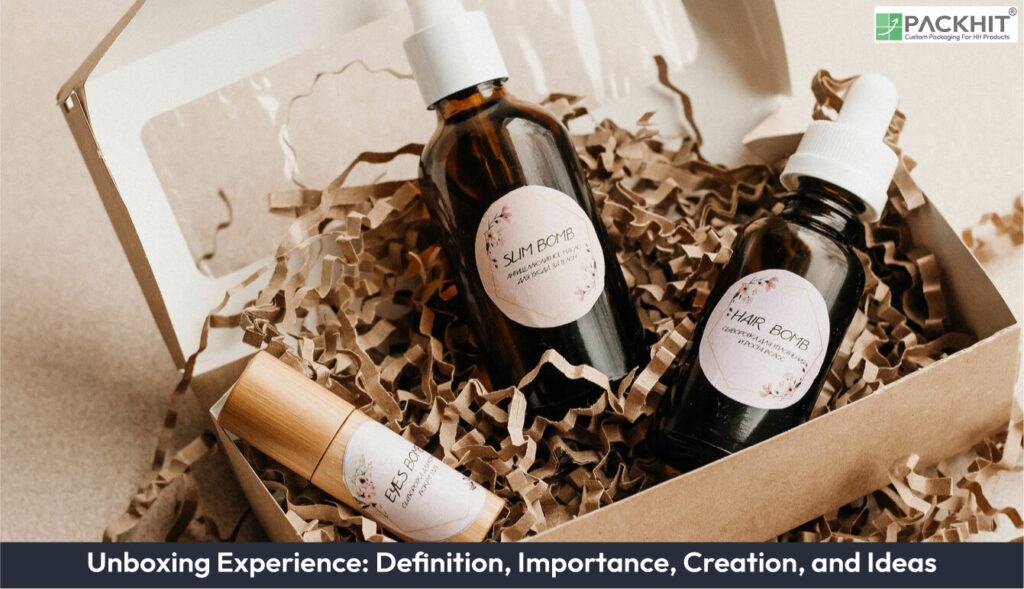
The unboxing experience refers to the process of opening a product’s packaging, designed to evoke excitement, emotional engagement, and satisfaction. It’s more than just a delivery; it’s a curated event that boosts customer satisfaction and social media visibility. Memorable unboxing moments, such as personalized packaging, eco-friendly materials, and interactive elements, help brands build emotional connections and encourage repeat purchases. To create a compelling experience, brands should focus on appealing packaging design and functionality while telling a brand story. Collaborating with influencers and offering custom inserts or brand elements can amplify the experience. These strategies turn the unboxing process into a memorable ritual that enhances brand loyalty and visibility.
- What is the Unboxing Experience?
- Why the Unboxing Experience Matters?
- How to Create an Effective Unboxing Experience?
- 1. Focus on Memorable Packaging Design
- 2. Prioritize Sustainability and Eco-Friendly Materials
- 3. Make the Unboxing Experience Interactive
- 4. Enhance Functionality and Ease of Use
- 5. Tell a Brand Story Through Packaging
- 6. Leverage Influencer and Customer Collaboration
- Ideas for Creating Memorable Unboxing Experiences
- What Can Cause Failure in Creating a Successful Unboxing Experience?
What is the Unboxing Experience?
The unboxing experience is the act of opening a product’s packaging, often designed to evoke emotional engagement, excitement, and satisfaction. Unlike standard e-commerce deliveries, unboxing experiences are curated to make a lasting impression through thoughtful packaging design and interactive components. This process transforms the simple act of opening a package into a ritualistic and shareable moment, often documented on social media platforms such as YouTube, Instagram, and TikTok.
Key attributes of the unboxing experience include visual appeal, ease of opening, and personalization. For instance, branded packaging with vibrant colors and textures enhances the aesthetic appeal, while personalized notes or inserts create a tailored customer experience. These elements contribute to the memorability and emotional impact of the unboxing process.
Why the Unboxing Experience Matters?
The unboxing experience matters because it enhances customer satisfaction and builds brand loyalty. It boosts social media visibility and influences purchasing decisions. They are discussed below in detail.
- Enhances Customer Satisfaction: A thoughtfully designed unboxing experience enhances customer satisfaction by creating a positive first impression. Online shoppers are more likely to share purchases on social media when a package is branded and has visually appealing designs. This works best when the packaging is easy to open quickly and doesn’t damage the item; otherwise, the excitement can quickly turn into frustration.
- Builds Brand Loyalty: Memorable unboxing moments build brand loyalty by fostering emotional connections, which increase customer retention. Attention to detail, such as personalized notes or eco-friendly materials, signals care and commitment, encouraging repeat purchases and long-term loyalty. Ensure the materials reflect the brand’s quality promise, as cheap-feeling packaging can undermine the perceived value of the product inside.
- Boosts Social Media Visibility: A good unboxing experience can boost social media visibility through shareability cues such as hashtags, likes, and shares, especially after the rise of short-form video content. This offers brands a cost-effective opportunity for organic marketing. Packaging with branding encourages customers to share experiences, amplifying reach and engaging new audiences. The design must be genuinely unique or aesthetic; otherwise, it may fail to stand out in the saturated digital content landscape.
- Influences Purchasing Decisions: Unboxing videos can influence purchase decisions, with many shoppers citing them as influential. A standout unboxing experience not only highlights the product but reinforces the brand’s perceived value and quality.
- Maintains Perceived Value: The wrong box size undermines the experience, making the product appear lost or poorly protected. To determine correct sizing, measure the product’s footprint and height first, then add a 0.5 to 1-inch clearance buffer on all sides to ensure a tight, intentional fit.
These benefits depend on execution; if the packaging is attractive but difficult to open or not aligned with the product, the unboxing may not translate into repeat interest.
How to Create an Effective Unboxing Experience?
Designing an unboxing experience requires balancing emotional resonance with physical engineering. To design an effective unboxing experience, follow the steps outlined below:
1. Focus on Memorable Packaging Design
To leave a lasting impression, manufacturers should focus on memorable packaging design. Features such as embossed logos, vibrant artwork, and textures like matte or glossy finishes can significantly enhance the aesthetic value of the packaging. Creative touches like interactive elements, personalized inserts, and sustainability details can influence customers.
Personalized elements elevate the experience. Consider including handwritten notes, custom inserts, or even customer-specific messages. These details add an emotional connection and a sense of exclusivity, which is particularly impactful for luxury goods or bespoke items.
2. Prioritize Sustainability and Eco-Friendly Materials
Manufacturers must prioritize sustainability and eco-friendly materials because modern consumers increasingly value environmentally conscious brands. Manufacturers can integrate sustainability by using recyclable and biodegradable materials. For example, kraft paper-based packaging with soy-based inks is a popular choice that aligns with eco-friendly values while maintaining a polished appearance.
Minimalistic designs that reduce material usage appeal to eco-conscious customers. Ensuring that packaging materials are responsibly sourced demonstrates a brand’s commitment to sustainability, which can improve both customer loyalty and brand perception.
3. Make the Unboxing Experience Interactive
Interactive elements help make the unboxing experience participatory. It can transform unboxing from a simple task into a memorable engagement. Incorporate elements like QR codes that link to exclusive content, such as behind-the-scenes videos, product tutorials, or limited-time offers. Augmented reality (AR) features can add an engaging layer to the unboxing experience.
Design the packaging with social media shareability in mind, including hashtags, visually striking patterns, or unique opening mechanisms that encourage customers to document and share their experience online. This not only amplifies brand visibility but fosters organic marketing opportunities.
When designing these interactive or creative elements, prioritize sustainability and shipping safety to ensure that added flair does not negatively impact recyclability or product protection during transit.
4. Enhance Functionality and Ease of Use
Packaging should be as functional and easy to use as it is visually appealing. Designs, such as tear strips or magnetic closures, reduce frustration and improve the overall customer experience. Simplicity and intuitive design ensure that the unboxing process is seamless and enjoyable.
For added convenience, manufacturers can include practical elements such as resealable pouches or packaging that doubles as storage. These features extend the utility of the packaging and reinforce the brand’s thoughtfulness in product design.
5. Tell a Brand Story Through Packaging
Packaging can serve as a storytelling medium by incorporating design elements that reflect the brand’s values or mission. For example, use printed inserts or packaging text to share the story behind the product, the craftsmanship, or the materials used. This creates a deeper emotional connection with the customer.
Some brands include surprise elements, such as hidden quotes or small gifts, to make the unboxing experience more delightful and memorable. These touches show attention to detail and help reinforce a positive brand image.
6. Leverage Influencer and Customer Collaboration
Partnering with influencers and customer collaboration who specialize in unboxing videos can significantly boost a brand’s reach and engagement. Influencers often highlight the unique aspects of packaging, showcasing the brand’s creativity and dedication to customer satisfaction. These collaborations are particularly effective for new product launches or limited-edition items.
Encourage customers to share their unboxing experiences by including incentives, such as discounts or giveaways for cross-posted social media posts. This taps into user-generated content, promoting the brand to wider audiences at minimal cost.
Ideas for Creating Memorable Unboxing Experiences
These practical ideas below outline packaging tactics that make the unboxing experience more enhanced, shareable, and personalized.
Enhancing Packaging Experience
To enhance packaging, use custom mailer boxes with exterior graphics, branded tape, or unique colors to align with brand identity. Create layered reveals using colored tissue paper, crinkle paper, or custom cardboard inserts to build suspense. Incorporate tactile finishes like matte laminates, embossed logos, or soft-touch textures to create a high-end feel for the recipient.
Creating a Sense of Occasion
Manufacturers can design packaging to evoke a sense of occasion, making the unboxing process feel like a celebration. This can be achieved through layered packaging, ribbon closures, or surprise elements such as hidden compartments. These features add an element of discovery, making the experience more engaging and memorable.
For instance, subscription box services often use thematic packaging that changes monthly, creating anticipation and excitement among customers.
Personalization
Personalize the unboxing experience by including bonus extras like free product samples, brand stickers, custom discount codes, or small related accessories. Additionally, incorporate interactive elements such as a QR code that directs customers to an exclusive video message, care guide, or loyalty reward.
What Can Cause Failure in Creating a Successful Unboxing Experience?
Even beautiful packaging fails if the unboxing experience is flawed. Monitor your design against these common breakdowns:
| Failure Mode | Likely Cause | Reader-Visible Symptom | Mitigation |
|---|---|---|---|
| Difficulty opening | Lack of perforation | Frustration or damaged packaging | Incorporate tear strips |
| Damage in transit | Inadequate protection | Product dented or scratched | Add protective inserts or test box durability |
| Brand disconnect | Vague messaging | Confused brand identity | Align insert text with brand mission |
| Recycling confusion | Non-recyclable mixed materials | Inability to recycle items | Use mono-materials or clear labeling |
Manufacturers must understand how packaging can fail and how to weigh competing priorities before diving into the creative design steps.
