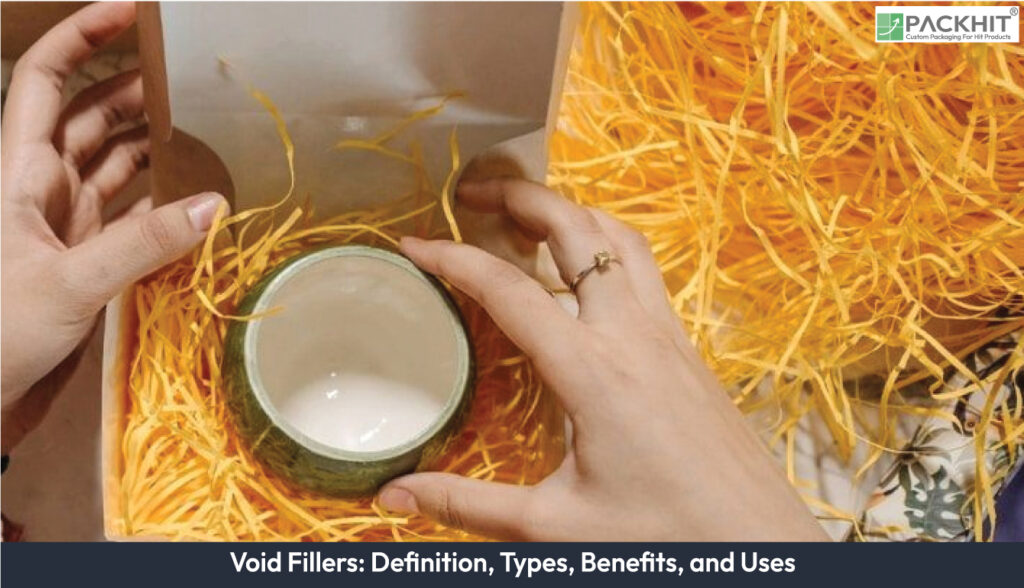
Void fillers are packaging materials designed to occupy empty spaces within packages, ensuring product stability and minimizing movement during transit. These materials serve critical roles in protecting goods from damage, optimizing shipping efficiency, and enhancing customer satisfaction. Available in various forms such as corrugated cardboard, paper-based fillers, foam inserts, and air pillows, void fillers are integral to industries ranging from e-commerce to heavy cargo transport. Their benefits include minimizing product damage, reducing financial losses, optimizing packaging efficiency, enhancing sustainability, and improving customer satisfaction. Common uses of void fillers span multiple industries, from e-commerce and retail to industrial, medical, and cargo applications, ensuring safe delivery, regulatory compliance, and operational efficiency.
- What are Void Fillers?
- Common Types of Void Fillers
- Benefits of Using Void Fillers
- Uses of Void Fillers
- E-Commerce Packaging
- Retail and Consumer Goods
- Industrial Applications
- Medical and Pharmaceutical Packaging
- Cargo Transport
- Custom Packaging Solutions
- What Materials are Used for Void Fill Packaging?
- Void Filler Selection by Packaging Requirement
- How to Choose the Right Void Filler?
What are Void Fillers?
Void fillers are materials used to fill empty spaces within the packaging to prevent product movement and damage during shipping. By occupying voids, these fillers stabilize items, reducing the risk of breakage or deformation caused by external forces. Commonly employed in industries such as logistics, retail, and manufacturing, void fillers are essential for ensuring product safety and maintaining the integrity of shipments.
Common Types of Void Fillers
Void fillers come in various types, each designed to address specific packaging challenges. Below is a list defining the most commonly used void fillers:
Corrugated Void Fillers
Corrugated void fillers are made from corrugated cardboard and are widely used for their durability and structural integrity. These fillers are particularly effective in securing heavy or fragile items, as their rigid design prevents lateral movement. Corrugated fillers are often scored or folded to fit specific package dimensions, making them a versatile choice for manufacturers.
Paper Void Fillers
Paper void fillers, typically crafted from recycled paper, are an eco-friendly option for filling voids in packaging. They are lightweight, cost-effective, and biodegradable, making them suitable for businesses prioritizing sustainability. Paper fillers can be crumpled or shaped to conform to irregular spaces, providing cushioning and shock absorption for delicate items.
Foam and Air-Based Fillers
Foam inserts and air pillows are commonly used for high-value or fragile products. Foam fillers offer excellent shock absorption and are often customized to fit specific product shapes. Air pillows, on the other hand, are lightweight and easy to deploy, making them ideal for e-commerce applications. However, their environmental impact is a concern, as many foam and air-based fillers are non-biodegradable.
Collapsible Void Fillers
Collapsible void fillers are designed for flexibility and reusability. These fillers can be folded or compressed when not in use, reducing storage space requirements. They are often made from materials such as honeycomb cardboard or plastic, offering a balance between durability and adaptability.
Note: In practice, the right void filler depends more on the protection required than on the material itself. Use lightweight fill when the main goal is occupying space, cushioning when fragile products need impact protection, and corrugated, honeycomb, or fitted structures when heavier products require movement control or structural support. Air pillows and loose paper may underperform when products are heavy, sharp-edged, or need precise positioning, so these conditions should take priority over convenience or material weight.
Benefits of Using Void Fillers
Void fillers offer a wide range of benefits that extend beyond basic product protection. Below is a structured summary of their key advantages:
- Prevention of product movement: Void fillers stabilize items within packaging, reducing the risk of damage during transit. This is especially crucial for fragile or high-value products.
- Minimized financial losses: By protecting goods from damage, void fillers help manufacturers avoid costs related to product replacements, returns, and customer dissatisfaction.
- Optimized packaging efficiency: Fillers allow for smaller box sizes, reducing material usage and lowering shipping costs.
- Enhanced environmental sustainability: Many modern void fillers are made from recyclable or biodegradable materials, such as paper-based fillers or honeycomb cardboard, aligning with corporate sustainability goals.
- Improved customer experience: Protective fillers ensure products arrive intact, boosting consumer satisfaction and brand loyalty.
- Adaptability to diverse packaging designs: Void fillers come in various forms, such as scored cardboard, crumpled paper, or foam inserts, making them suitable for different product types and dimensions.
- Compliance with industry standards: Certain fillers meet regulatory requirements, such as AAR approval, ensuring safe and reliable shipment practices.
These benefits make void fillers an essential component of packaging strategies, particularly for manufacturers aiming to balance cost efficiency, product protection, and environmental responsibility.
Uses of Void Fillers
Void fillers are used to address different packaging challenges across e-commerce, retail, manufacturing, medical, and cargo applications. The required filler varies with product weight, fragility, shape, package configuration, and handling conditions.
E-Commerce Packaging
E-commerce shipments commonly use paper fill or air pillows to occupy unused carton space around products such as electronics, accessories, and consumer goods. The filler should suit the product weight and amount of open space within the shipping box.
Retail and Consumer Goods
Retail packaging may use crumpled paper, structured inserts, or decorative fill where product positioning and presentation are both important. The material should fit the package layout without obscuring the product or creating unnecessary bulk.
Industrial Applications
Industrial shipments may require corrugated, honeycomb, foam, or other structured fillers for machinery parts and heavier components. In these applications, compression resistance and structural support can be more important than simply filling space.
Medical and Pharmaceutical Packaging
Sensitive instruments and medical products may use fitted foam or structured inserts where controlled positioning is required. Material compatibility and any applicable handling or regulatory requirements should be considered for the specific product.
Cargo Transport
Large or bulk shipments can use honeycomb, corrugated structures, or other bracing solutions to manage gaps between products or loads. The appropriate construction depends on load weight, available space, stacking, and transport conditions.
Custom Packaging Solutions
For products with unusual dimensions, scored corrugated components, fitted foam, or custom-shaped fillers can be designed around the package geometry. This approach is useful when standard loose-fill materials cannot provide the required positioning or support.
Across these applications, the role of void fill changes from simple space filling to cushioning, positioning, or structural support depending on the package and distribution requirements.
What Materials are Used for Void Fill Packaging?
Common void fill materials include paper, corrugated cardboard, honeycomb board, foam, and air-filled plastic film. Paper and air pillows work well for filling open space around lighter products, while foam, corrugated, or honeycomb structures can provide additional cushioning or support where required.
Material choice should follow the packaging conditions. Heavier products generally need fillers that resist compression, while fragile items need cushioning that limits impact and movement. Tight box spaces favor materials that can conform to small or irregular gaps, whereas larger voids may require more structured fill. Where moisture exposure is expected, consider how humidity or contact with water could affect paper-based materials. Recycling or disposal requirements should also be checked against the complete filler material and the recovery options available in the destination market.
Void Filler Selection by Packaging Requirement
The amount of space is only one part of void filler selection. Product weight, fragility, shape, moisture exposure, and required support determine whether the filler primarily needs to occupy space, cushion impacts, or resist compression.
| Packaging Requirement | Suitable Options | Practical Selection Cue |
|---|---|---|
| Lightweight void filling | Paper fill, air pillows | Use enough fill to restrict movement without unnecessary material |
| Fragile products | Paper cushioning, foam | Prioritize cushioning around vulnerable surfaces and impact areas |
| Heavy products | Corrugated, honeycomb | Choose structures that resist compression rather than loose fill alone |
| Irregular shapes | Crumpled paper, flexible foam | Use conformable material to fill gaps around uneven profiles |
| Moisture exposure | Application-dependent materials | Check whether humidity or water exposure could weaken or alter the filler |
| Sustainability goals | Paper, corrugated, suitable fiber options | Match material choice to available recycling or disposal infrastructure |
For example, an air pillow may efficiently occupy a large void around a lightweight product but can compress or puncture under a heavy or sharp-edged item. Likewise, paper fill can conform to irregular spaces, but expected moisture exposure should be considered when its cushioning performance needs to remain consistent throughout distribution.
How to Choose the Right Void Filler?
Choose a void filler based on product weight, fragility, shape, empty box space, and expected handling conditions. For lightweight e-commerce shipments, paper fill or air pillows can help restrict movement without adding substantial packing weight. Fragile or sensitive products may require foam or fitted cushioning when closer positioning and impact protection are needed. For heavier products or cargo applications, corrugated or honeycomb structures can provide greater support than loose fill alone.
When selecting between options, prioritize cushioning for fragile items, movement control for loosely packed products, structural support for heavier loads, and material efficiency for routine shipments. Sharp edges, moisture exposure, and unusually heavy or sensitive products may require additional protection or a combination of void fill and fitted packaging.
