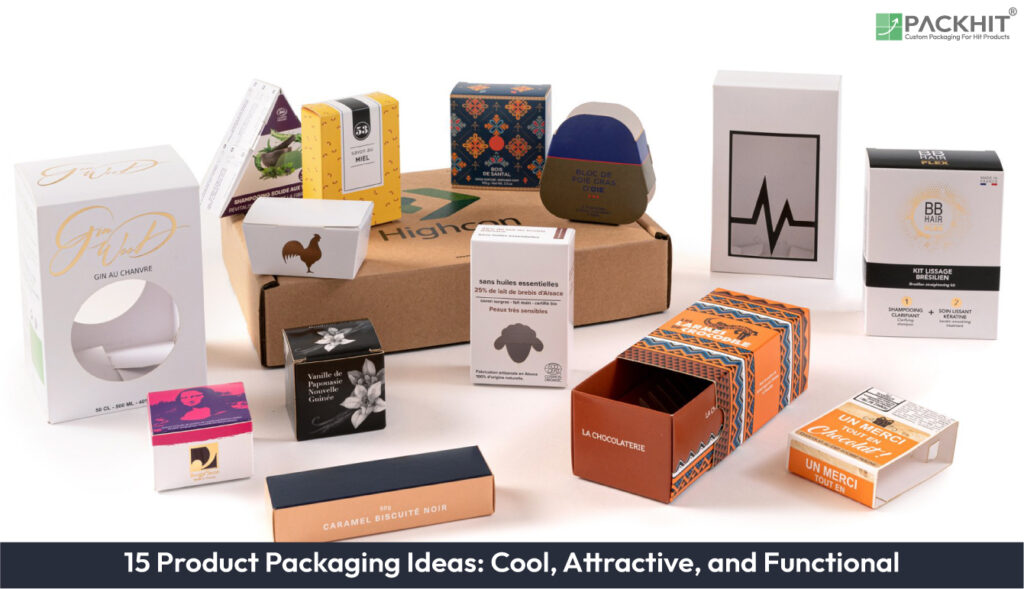
Product packaging serves as a critical interface between manufacturers and consumers, combining protection, branding, and usability. Cool packaging ideas focus on innovation and engagement, including interactive packaging with QR codes that connect consumers to tutorials or product details and glow-in-the-dark designs that captivate attention in low-light settings, perfect for youth-oriented markets or nightlife accessories. Attractive packaging ideas emphasize visual and tactile elements. Techniques like embossed and debossed textures elevate premium appeal by adding depth, frequently utilized in luxury cosmetics. Metallic and holographic foil stamping creates eye-catching designs, ideal for high-end products. Functional packaging centers on usability and protection, such as tamper-proof seals that safeguard product integrity, especially in pharmaceuticals and food industries, and shock-absorbing materials like EPE foam that protect fragile goods during transport. Insulated packaging maintains temperature control for sensitive products such as vaccines or frozen foods. To choose the right product packaging idea, follow research and requirements, select structures and materials, design for function and ergonomics, and validate before production.
15 product packaging ideas categorized on the basis of cool, attractive, and functional are listed below:
- 1. Interactive Packaging with QR Codes
- 2. Scratch-and-Sniff Packaging
- 3. Glow-in-the-Dark Designs
- 4. Embossed and Debossed Textures
- 5. Metallic and Holographic Foil Stamping
- 6. Minimalist Design with Bold Typography
- 7. Transparent Packaging
- 8. Tamper-Proof Seals
- 9. Shock-Absorbing Materials
- 10. Insulated Packaging for Temperature Control
- 11. Childproof Packaging
- 12. Easy-to-Open Designs
- 13. Sustainable Packaging Solutions
- 14. Modular Packaging for Versatility
- 15. Freshness Seals for Food Preservation
- Criteria for Product Packaging Selection
1. Interactive Packaging with QR Codes
Interactive packaging integrates QR codes to provide consumers with instant access to product information, tutorials, or promotional content. This approach enhances customer engagement by creating a digital bridge between the physical product and online resources. QR codes are embedded during the printing process, ensuring seamless integration without compromising visual appeal. For example, NFC-enabled packaging further elevates interactivity by allowing users to access data with a simple tap. It may require consumers to have reliable internet access and the technical literacy to engage with digital content. Prefer this when it is needed to provide dynamic product information or tutorials that won’t fit on the packaging, rather than relying solely on static text.
2. Scratch-and-Sniff Packaging
Scratch-and-sniff packaging introduces olfactory characteristics to enhance sensory engagement. This design is particularly effective for fragrance and food industries, where scent plays a pivotal role in consumer decision-making. The packaging incorporates microencapsulation technology, releasing scent upon interaction. While rare, this method creates a memorable experience and differentiates products in competitive markets. It can be costly to implement at scale and requires precise microencapsulation to ensure scent longevity. Select this when sensory interaction is central to the product’s value (e.g., fragrance, food), rather than relying on visual-only cues.
3. Glow-in-the-Dark Designs
Glow-in-the-dark packaging utilizes phosphorescent materials to create visually striking designs that stand out in low-light environments. This idea is ideal for products targeting younger demographics or niche markets such as gaming and nightlife accessories. The phosphorescent layer is applied during the printing phase, ensuring durability and consistent performance. It may require specialized, non-toxic photoluminescent inks that can increase production costs. Choose this for products intended for low-light environments (e.g., gaming, nightlife), rather than standard high-visibility or reflective coatings.
4. Embossed and Debossed Textures
Embossing and debossing techniques add tactile and visual depth to packaging, enhancing its premium appeal. These methods involve creating raised or recessed designs using dies during the manufacturing process. Cosmetic and luxury industries frequently employ this approach to convey sophistication and exclusivity. For instance, embossed logos reinforce brand identity while improving shelf presence. It can complicate high-speed automated labeling processes if not perfectly aligned. Prefer this when the need is to convey high-end, tactile brand luxury, rather than standard flat-surface printing.
5. Metallic and Holographic Foil Stamping
Metallic and holographic foil stamping elevates packaging aesthetics by adding reflective surfaces that catch consumer attention. This technique uses heat and pressure to transfer foil onto packaging materials, creating a high-end appearance. Commonly used in premium product categories, foil stamping enhances perceived value and differentiates products in crowded retail spaces. It often uses non-recyclable foil layers, which may conflict with sustainability goals. Choose this when there is a need to maximize shelf appearance in a crowded retail aisle, rather than using matte or standard gloss finishes.
6. Minimalist Design with Bold Typography
Minimalist packaging emphasizes simplicity and clarity, using bold typography and clean layouts to communicate essential product information. This design trend aligns with modern consumer preferences for understated elegance and functionality. Minimalist packaging is particularly effective in industries such as technology and personal care, where clarity and sophistication are paramount. It may have a risk of failing to differentiate on crowded shelves where competitors use elaborate graphics. Prefer this when the brand identity is already well-established, and clarity needs to be prioritized rather than using complex graphics to attract attention.
7. Transparent Packaging
Transparent packaging allows consumers to view the product directly, fostering trust and reducing uncertainty. This approach is widely used in the food and beverage industries, where visual inspection of freshness and quality is critical. Transparent materials such as PET or acrylic are selected for their durability and clarity, ensuring product integrity while enhancing visual appeal. It may expose the product to UV light and oxidation, potentially reducing shelf life for light-sensitive goods. Utilize this when the product appearance itself is a key selling point or quality indicator, rather than relying on illustrative packaging graphics.
8. Tamper-Proof Seals
Tamper-proof packaging is designed to support product integrity and consumer safety. This method can help mitigate tampering risks in industries like pharmaceuticals and food, where such features are often integrated during the assembly process to provide visible evidence of interference. It may add complexity to the user experience if the mechanism is too difficult for elderly or vulnerable populations to open. Prioritize this when safety, security, and consumer trust are the primary requirements, rather than ease of initial access.
9. Shock-Absorbing Materials
Shock-absorbing packaging protects products from physical damage during transportation and handling. Materials such as expanded polyethylene (EPE) foam or corrugated cardboard are used to cushion impacts, ensuring product safety. This design is particularly relevant for electronics and fragile goods, where durability is a critical attribute. It may often require non-biodegradable foams, creating disposal challenges and environmental impact. Opt for this when protecting delicate or high-value goods during transport is critical, rather than using minimal protective wraps.
10. Insulated Packaging for Temperature Control
Insulated packaging maintains product integrity by preventing temperature fluctuations. Commonly used in food and pharmaceutical industries, this design employs materials such as thermal liners or vacuum-sealed layers to preserve freshness and efficacy. Insulated packaging is essential for temperature-sensitive products like vaccines or frozen foods. It can add significant volume and weight to shipping, potentially increasing logistics costs. Select this when preserving the product’s physical state or efficacy is non-negotiable, rather than assuming standard ambient shipping is sufficient.
11. Childproof Packaging
Childproof packaging is designed with safety features intended to help prevent accidental access to potentially hazardous products. This design is often utilized in the pharmaceutical and chemical industries, where child safety is a priority and may be subject to regulatory standards depending on the region. Mechanisms such as push-and-turn caps are integrated to help ensure compliance with these safety goals. It may reduce accessibility for users with limited dexterity or motor skills. Implement this when regulatory safety compliance for hazardous or sensitive goods is mandatory, rather than focusing solely on user convenience.
12. Easy-to-Open Designs
Functional packaging prioritizes ease of use by incorporating features such as tear strips, perforations, or resealable closures. These designs enhance consumer satisfaction by simplifying product access and storage. Easy-to-open packaging is particularly valuable in food and beverage industries, where convenience is a key purchasing factor. It may risk compromising seal integrity or product shelf life if the opening mechanism is not designed robustly. Prioritize this when user convenience and accessibility are the primary competitive advantages, rather than focusing on tamper-evident security.
13. Sustainable Packaging Solutions
Sustainable packaging addresses environmental concerns by using biodegradable, recyclable, or reusable materials. Examples include compostable mailers, plant-based plastics, and paper-based wraps. This design aligns with consumer demand for eco-friendly products and reduces the carbon footprint of packaging processes. It may have lower durability or barrier properties compared to traditional plastics, potentially risking product spoilage. Select this when brand alignment with eco-conscious consumers is a strategic priority, rather than relying on traditional plastic-based durability.
14. Modular Packaging for Versatility
Modular packaging offers flexibility by allowing components to be rearranged or reused. This design is ideal for industries such as cosmetics and electronics, where product lines often require adaptable packaging solutions. Modular designs reduce waste and improve storage efficiency, making them a cost-effective choice for manufacturers. It may require complex supply chain management to track and assemble different modular components effectively. Prefer this when offering diverse or adaptable product configurations, rather than using rigid, single-purpose packaging.
15. Freshness Seals for Food Preservation
Freshness seals are designed to help extend the shelf life of food products by limiting air and moisture ingress. These features, commonly found in vacuum-sealed or resealable formats, are used to support product quality and consistency. They are frequently utilized in the food industry, where maintaining product integrity is a key factor in consumer satisfaction. It can require strict seal integrity testing; a failed seal can lead to faster spoilage than unsealed packaging. Choose this when extending the shelf life and maintaining the freshness of perishables is critical, rather than relying on loose or unsealed packaging.
Criteria for Product Packaging Selection
Selecting appropriate product packaging requires a strategic balance between protection, shelf impact, and supply chain requirements.
Options should be evaluated based on the following objective criteria:
1. Research and Requirements
Start by grounding your packaging decisions in data to ensure your design addresses real-world challenges before moving to aesthetics.
- Failure Mode Analysis: Material and structure must align with the specific risks a product faces, such as moisture, oxygen, light, crushing, or vibration. Fragile items require shock absorption, while perishable goods necessitate high-performance barriers.
- Retail Audit and Shelf Impact: Examination of the retail environment identifies which designs capture consumer attention. Effective packaging utilizes visual patterns that distinguish a product from competitors within a standard retail setting.
- Market Feedback Analysis: Data from consumer reviews can identify common structural or functional failures in existing solutions. Addressing these issues, such as faulty reseal mechanisms or shipping damage, provides a functional advantage.
2. Structural and Material Selection
Material selection involves balancing cost-efficiency with functional performance and established sustainability standards.
- Stock Packaging: Suitable for market testing, short-run production, or when budget and speed are prioritized. This approach avoids high upfront tooling expenditures.
- Custom Packaging: Applied when a specific aesthetic, functional innovation, or competitive differentiation is required. This necessitates greater investment in planning and prototyping.
- Sustainability Alignment: Materials must be assessed for recyclability, compostability, or reusability. Choice of material should be verified against regional recycling infrastructure before production begins.
3. Functional and Ergonomic Design
User-centric design prioritizes accessibility and convenience, influencing consumer satisfaction and retention.
- User Experience Integration: Design should emphasize ergonomic shape, size, and ease of use. Enhancements in dispensing or accessibility can lead to increased repeat purchase rates.
- Fulfillment Efficiency: Functional requirements for retail stacking, handling, and manufacturing assembly must be integrated into the design phase.
4. Brand Communication
Packaging functions as a primary communication tool, clarifying product purpose and brand value to potential buyers.
- Clarity and Authenticity: Design must immediately communicate the product identity and brand origin. Objective clarity is prioritized over complex visual elements that may obscure product purpose.
- Consistency and Scalability: Designs must remain cohesive across potential brand extensions, ensuring recognition across diverse product lines.
5. Validate Before Production
Physical prototypes must be tested to identify structural weaknesses and gather consumer feedback prior to full-scale production.
- Prototyping and Testing: Mass production should be preceded by physical stress tests (e.g., drop and stack testing) and perception checks. This process identifies errors at a stage where they can be addressed cost-effectively.
