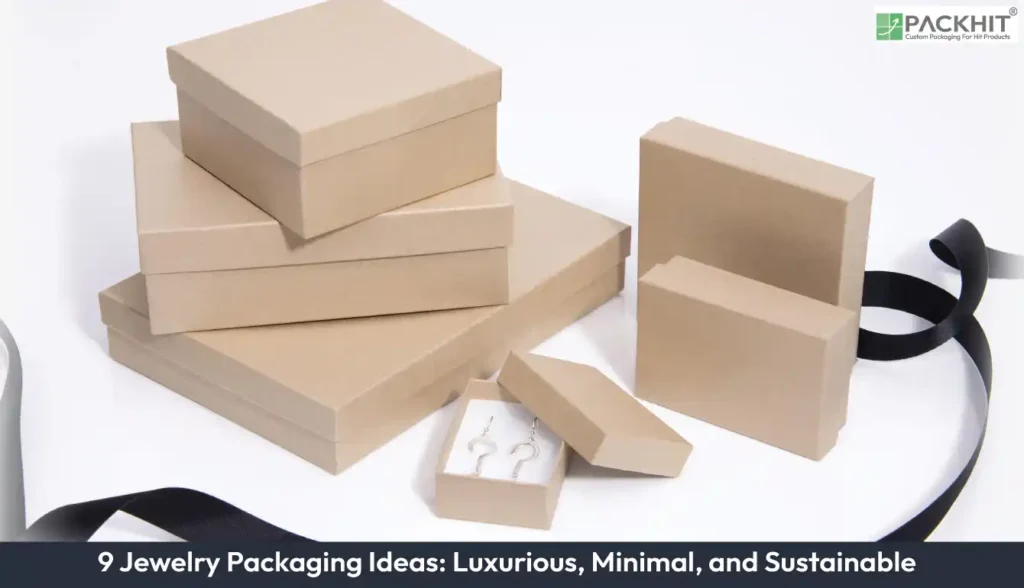
Jewelry packaging serves as both a functional and aesthetic component, enhancing the perceived value of jewelry while ensuring necessary protection. This document presents nine distinct packaging strategies, categorized into three primary themes: Luxurious, Minimalist, and Sustainable. The Luxurious category focuses on premium materials and intricate designs like embossed jewelry boxes, velvet pouches, magnetic closure boxes, and lacquered wooden boxes. They can help elevate perceived value and create a high-end unboxing experience. The Minimalist category emphasizes simplicity, functionality, and modern aesthetics, focusing on efficient use of materials such as foam-insert packaging, jewelry display cards, and microfiber jewelry pouches. The Sustainable category centers on environmental responsibility, utilizing renewable or eco-friendly materials to minimize ecological impact, with packaging ideas such as glassine paper pouches. Each approach offers unique advantages for jewelry presentation, brand storytelling, and product safety.
9 jewelry packaging ideas are listed below:
1. Embossed Jewelry Boxes
Embossed jewelry boxes are premium packaging solutions designed to store and present jewelry with sophistication. These boxes utilize intricate embossing techniques to create raised patterns or logos, enhancing the tactile and visual appeal. Customization options include material selection, finishes, and branding elements, allowing manufacturers to align the packaging with their brand identity. The use of luxurious materials such as velvet, leather, or high-grade cardboard further elevates the perceived value of the product.
2. Velvet Pouches
Velvet pouches offer a soft, opulent packaging option ideal for high-end jewelry items. These pouches are lightweight, reusable, and available in various sizes and colors. The plush texture of velvet not only protects delicate pieces but also conveys a sense of exclusivity. Drawstring closures and customizable embroidery add functional and aesthetic enhancements.
3. Rigid Gift Boxes with Magnetic Closures
Rigid gift boxes with magnetic closures are a popular choice for luxury jewelry packaging. These boxes are constructed from durable materials and feature a sleek, seamless design. Magnetic closures can help provide a secure yet elegant opening mechanism. When the box closes, the magnets snap together with a clean, satisfying click; this can help enhance the unboxing experience. Additional features such as foam inserts, satin linings, and foil stamping can be incorporated to further refine the presentation.
4. Lacquered Wooden Boxes
Lacquered wooden boxes are crafted from high-quality wood and finished with a glossy lacquer coating, making them an ideal choice for premium jewelry collections. These boxes offer a timeless aesthetic, combining durability with elegance. The lacquer finish enhances the natural grain of the wood while helping to protect it from wear and moisture. Customization options include engraved logos, inlaid designs, and compartments tailored to specific jewelry types, ensuring a cohesive presentation that aligns with the brand’s identity. Unique features such as velvet linings or magnetic closures can be incorporated to elevate their functionality and appeal, making them suitable for gifting or showcasing exclusive pieces.
5. Foam-Insert Packaging
Foam-insert packaging often provides a snug fit for jewellery, preventing movement and potential damage. The foam is often die-cut to match the shape of the jewelry, ensuring a secure hold. This type of packaging is often used for delicate or high-value items, as it can offer superior protection during shipping and handling. Foam-insert packaging for jewelry can trap moisture under damp transit conditions, which can help contribute to metal tarnish, and it may react chemically with certain jewelry platings. It can often carry a higher financial and environmental cost than paper or card alternatives.
6. Jewelry Display Cards
Jewelry display cards are often among the most minimal packaging solutions, consisting of a sturdy card with slots or holes to secure the jewelry. These cards can be printed with branding or product details and are often paired with a protective sleeve or envelope. They are generally lightweight and space-efficient, making them suitable for bulk shipping. Jewelry display cards may lack heavy physical cushioning, meaning delicate or dangling jewelry can bend, snap, or get scratched during rough transit if they lack a snug protective sleeve.
7. Microfiber Jewelry Pouches
Microfiber jewellery pouches are often designed to combine a soft exterior with a lint-free inner surface, intended to provide gentle protection for jewelry while helping to keep surfaces polished. These are typically ideal for delicate or plated jewelry that might be prone to scratching. While they are usually lightweight and compact, a notable constraint is the lack of rigid structural support; these pouches cannot fully prevent crushing during transit and can offer minimal puncture resistance against sharp objects.
8. Bamboo Boxes
Bamboo boxes are a sustainable alternative to traditional wooden packaging, offering durability and a natural aesthetic. Bamboo, being a fast-growing renewable resource, ensures minimal environmental impact. These boxes can be tailored with laser engraving, eco-friendly paints, or unique textures to enhance their visual and functional appeal, aligning perfectly with eco-conscious branding efforts.
9. Glassine Paper Pouches
Glassine paper pouches offer a sleek, semi-translucent appearance that provides a sneak peek of the jewelry inside. Made from heavily calendered paper, they have a smooth, glossy, and grease-resistant finish that feels premium yet remains fully biodegradable and recyclable. This paper material achieves full recyclability and biodegradability because it uses no plastic coatings, films, or synthetic waxes. Glassine provides visibility, but it does not provide meaningful structural or crush protection unless paired with a rigid mailer. The paper can crease or wrinkle during handling, which may ruin the clean, minimal look unless protected in a rigid mailing box.
How to Choose the Right Jewelry Packaging Idea?
Selecting the most appropriate jewelry packaging requires a comprehensive evaluation of several key factors to ensure the choice aligns with both operational requirements and market positioning. Businesses should consider the following dimensions when making a decision:
- Product Protection and Logistics: The primary function of packaging is to safeguard the item. High-value or fragile pieces often necessitate rigid structures, such as wooden or magnetic boxes, to prevent crushing. Conversely, smaller, durable items may be suited for lightweight pouches or cards, which can significantly reduce shipping costs and storage space requirements.
- Branding and Customer Experience: Packaging serves as a critical touchpoint for brand identity. Luxury brands typically opt for premium materials like velvet or lacquered wood to enhance perceived value. The unboxing experience, influenced by tactile elements like embossed logos or the mechanism of a magnetic closure, can foster brand loyalty and distinguish a business in a competitive market.
- Sustainability: There is an increasing demand for eco-friendly solutions. Materials such as bamboo, glassine paper, or recycled cardboard appeal to environmentally conscious consumers. Evaluating the lifecycle of the packaging, including its biodegradability or reusability, is essential for businesses aiming to integrate sustainability into their core values.
- Financial Considerations: Budgetary constraints often dictate the feasibility of certain packaging types. While custom-engineered foam inserts provide superior protection, they may carry higher unit costs than standardized display cards. Businesses must balance the initial cost of packaging against potential savings from reduced product damage and the marketing value of high-end presentation.