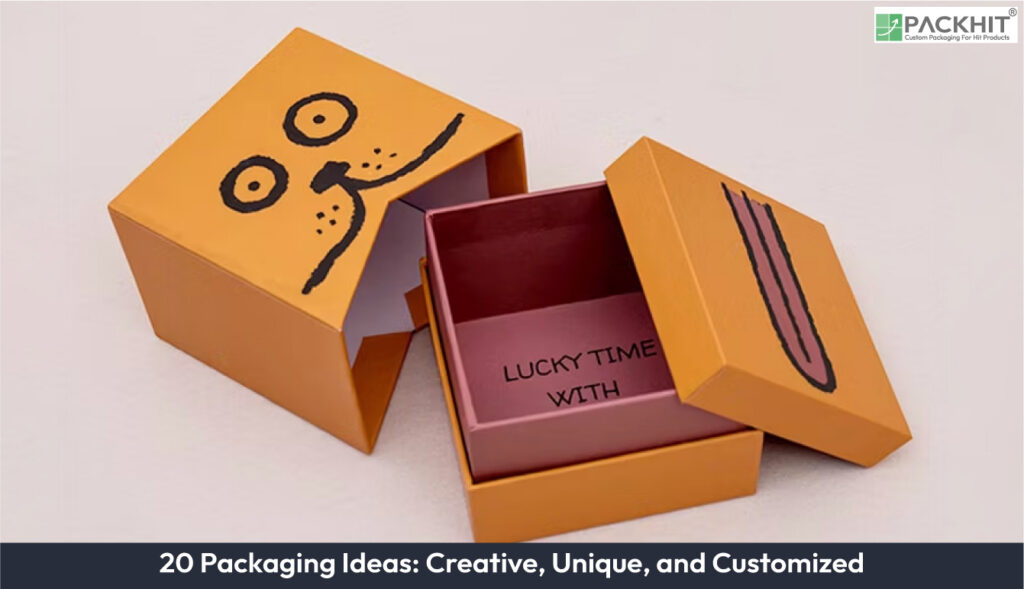
Packaging ideas refer to innovative and effective approaches for designing and producing packaging that not only protects the product but also enhances its appeal, functionality, and sustainability. Packaging ideas are broadly categorized into three types: creative, unique, and customized. Creative packaging focuses on combining aesthetics and functionality to enhance appeal and usability, with examples like minimalist or luxury designs. Unique packaging emphasizes innovation and practicality, such as biodegradable or edible materials, which stand out in competitive markets. Customized packaging tailors solutions to specific consumer needs, offering personalized, reusable, or dual-purpose designs that foster brand loyalty while addressing environmental concerns.
The twenty creative, unique, and customized packaging ideas are given below:
- 1. Minimalist Packaging
- 2. Biodegradable Packaging
- 3. Luxury Packaging with Premium Finishes
- 4. Custom Die-Cut Packaging
- 5. Reusable Packaging
- 6. Flat-Pack Packaging
- 7. Transparent Packaging
- 8. Smart Packaging with Embedded Technology
- 9. Seasonal and Themed Packaging for Limited Editions
- 10. Eco-Friendly Cosmetic Packaging
- 11. Interactive Packaging
- 12. Flexible Packaging
- 13. Vintage-Inspired Packaging
- 14. Modular Packaging
- 15. Edible Packaging
- 16. Anti-Theft Packaging
- 17. Collapsible Packaging
- 18. Personalized Packaging
- 19. Dual-Purpose Packaging
- 20. Sustainable Ink and Printing Techniques
- Packaging Ideas and Their Best Use Cases
- How to Choose the Best Packaging Idea for the Business?
1. Minimalist Packaging
Minimalist packaging typically emphasizes simplicity by reducing visual clutter and material usage. It often employs monochromatic color schemes, clean typography, and uncoated kraft paper or recycled cardboard. This approach can help reduce material overhead for some applications and may align with sustainability goals. For example, a single-color logo printed on a plain box can convey sophistication while potentially minimizing ink usage. Minimalist designs may sometimes be perceived as lacking quality if not executed with high-end finishing materials. To avoid the ‘cheap’ look, pair the simple layout with a durable finish that matches the intended brand tier.
2. Biodegradable Packaging
Biodegradable packaging generally utilizes materials such as cornstarch, mushroom mycelium, or seaweed-based polymers. These materials are designed to decompose naturally, potentially reducing landfill waste. This option may be suitable for the food and beverage industries, where single-use packaging is prevalent. For instance, cornstarch-based containers can replace traditional plastic clamshells for certain takeout meals. Biodegradable materials often have shorter shelf lives and may require specific environmental conditions to decompose effectively. Before switching, confirm the product’s shelf life and disposal pathway, since decomposition depends on the conditions available in your distribution and end-of-life handling.
3. Luxury Packaging with Premium Finishes
Luxury packaging frequently incorporates high-end materials and finishes, such as foil stamping, embossing, and velvet-textured laminates. These elements can enhance tactile and visual appeal, often making the product feel more exclusive. It can be used in cosmetics and high-end retail. This type of packaging typically includes rigid boxes with magnetic closures or satin-lined interiors. Premium finishes can significantly increase finishing costs and may not be suitable for high-volume, low-margin products.
4. Custom Die-Cut Packaging
Die-cut packaging allows for intricate shapes and designs that can conform to the product’s dimensions. This technique is often ideal for creating standout retail displays or protective inserts. For example, a die-cut insert can securely hold a fragile glass bottle while potentially showcasing its design through a windowed box. Custom die-cutting can increase manufacturing complexity and unit costs due to custom tooling requirements.
5. Reusable Packaging
Reusable packaging is typically designed to serve secondary purposes, such as storage or decoration, after the product is consumed. Examples may include tin boxes for cookies or glass jars for condiments. This approach can enhance perceived value and may reduce waste, making it a popular choice for many premium food and beverage brands. Reusable packaging often increases the weight and shipping cost of the product, which can impact logistics.
6. Flat-Pack Packaging
Flat-pack packaging is often engineered to be shipped and stored in a flat state, which can reduce transportation costs and storage space. This design can be particularly effective for furniture and DIY kits. Once assembled, the packaging generally provides structural integrity and protection for the product. Flat-pack designs may require assembly by the customer, which can sometimes frustrate users if instructions are unclear.
7. Transparent Packaging
Transparent packaging, often made from Polyethylene terephthalate (PET) or Polylactic acid (PLA) plastics, typically allows consumers to view the product directly. This can be especially effective for food items, where visual appeal may influence purchasing decisions. Windowed cardboard boxes for baked goods are a common example of this general approach. Transparency exposes the product to UV light, which can degrade certain ingredients or food items over time. If your product is light-sensitive, consider the expected time on shelves and whether you need UV-protective labeling or thicker film.
8. Smart Packaging with Embedded Technology
Smart packaging frequently integrates technology such as QR codes, NFC tags, or temperature sensors. These features can provide additional functionality, such as product authentication, interactive marketing, or freshness monitoring. For instance, a QR code on a wine bottle may link to a virtual tasting guide. Smart packaging features often require ongoing digital support and consumer tech literacy, which may limit their effective reach.
9. Seasonal and Themed Packaging for Limited Editions
Seasonal packaging often incorporates festive designs and colors to align with holidays or special events. This strategy can create a sense of urgency and perceived exclusivity. Examples typically include red and green packaging for Christmas or pastel tones for Easter-themed products. Seasonal packaging creates inventory risks, as leftover stock after the event may become difficult to sell.
10. Eco-Friendly Cosmetic Packaging
Eco-friendly cosmetic packaging frequently uses materials like bamboo, glass, or recycled plastics. These materials can reduce environmental impact while maintaining aesthetic appeal. For example, bamboo lipstick tubes can offer a more natural, biodegradable alternative to traditional plastic casings. Sustainable materials can sometimes be less durable than traditional plastics, potentially risking product damage during transit.
11. Interactive Packaging
Interactive packaging can include elements such as puzzles, games, or augmented reality (AR) features. These designs often engage consumers and may enhance brand recall. For instance, a cereal box with a scannable AR code can provide an immersive digital experience for children. Interactive elements often add production complexity and may not resonate with all consumer demographics.
12. Flexible Packaging
Flexible packaging, such as pouches or sachets, is generally lightweight and can be adapted to various product shapes. It can be used for snacks, beverages, and personal care items. Multi-layered films typically provide durability and barrier protection against moisture and oxygen. Flexible packaging can be more susceptible to puncture or crushing compared to rigid boxes.
13. Vintage-Inspired Packaging
Vintage packaging often leverages retro designs, fonts, and color schemes to evoke nostalgia. This approach can be effective for brands aiming to connect with older demographics or convey heritage. Examples may include tin cans with classic typography for certain confectionery products. Vintage styles may not appeal to modern or minimalist-focused consumers and can sometimes feel outdated.
14. Modular Packaging
Modular packaging typically consists of standardized components that can be combined in various configurations. This design is often ideal for subscription boxes or product bundles. For example, a modular box system can accommodate different product sizes while generally maintaining a cohesive brand appearance. Modular systems can require more complex supply chain management to ensure all components remain available.
15. Edible Packaging
Edible packaging, often made from materials like rice paper or gelatin, can eliminate waste by being consumable. This innovation is particularly relevant for certain single-serve food items. An example may be an ice cream cone wrapped in edible rice paper instead of traditional plastic. Edible packaging often has strict food safety and shelf-life constraints that limit its application.
16. Anti-Theft Packaging
Anti-theft packaging typically incorporates tamper-evident seals, RFID tags, or clamshell designs to deter theft. These features can be used in electronics and high-value retail products. For instance, a clamshell package with a heat-sealed edge can make unauthorized access more difficult. Heavy-duty anti-theft packaging may create frustration for the consumer during the unboxing process.
17. Collapsible Packaging
Collapsible packaging is often designed to fold or compress when empty, potentially reducing storage and disposal space. This can be particularly useful for bulk items or refillable products. An example is a collapsible water bottle that can be flattened after use. Collapsible designs may involve more moving parts, which can potentially fail or wear out faster than static designs.
18. Personalized Packaging
Personalized packaging frequently incorporates custom names, messages, or designs to create a more unique consumer experience. This approach is often used in promotional campaigns. For example, some beverage companies offer bottles with individual names printed on the labels. Personalization at scale may increase production lead times and operational costs.
19. Dual-Purpose Packaging
Dual-purpose packaging often serves both as a container and a functional item. Examples may include pizza boxes that can transform into serving trays or shoeboxes that double as storage organizers. This design can enhance utility and may reduce waste. Dual-purpose packaging must remain functional as a container while also serving its secondary purpose, which can be challenging to engineer.
20. Sustainable Ink and Printing Techniques
Sustainable printing typically uses soy-based or water-based inks and digital printing methods to help minimize environmental impact. These techniques can reduce volatile organic compound (VOC) emissions and waste. For instance, digital printing often eliminates the need for printing plates, potentially reducing material usage. Sustainable inks may sometimes have different curing times or colorfastness properties that require adjustments in the printing process.
Choose creative options when brand aesthetics matter most, choose unique materials when differentiation or sustainability is a priority, and choose customized designs when your product needs a specific fit, then confirm the trade-offs (cost, production complexity, and handling/logistics) before committing.
Packaging Ideas and Their Best Use Cases
To help you quickly identify the right packaging solution for your specific needs, the following table summarizes the primary use cases for each creative packaging approach discussed above.
| Packaging Idea | Best Used For |
| Minimalist | Brand sophistication and simple aesthetics |
| Biodegradable | Food and beverage industries |
| Luxury | Cosmetics and high-end retail |
| Custom Die-Cut | Retail displays or fragile items |
| Reusable | Premium food and beverage items |
| Flat-Pack | Furniture and DIY kits |
| Transparent | Food items (where visual appeal matters) |
| Smart | Product authentication or interactive marketing |
| Seasonal and Themed | Holidays or limited-edition events |
| Eco-Friendly Cosmetic | Cosmetics and personal care products |
| Interactive | Consumer engagement (games, AR) |
| Flexible | Snacks, beverages, and personal care |
| Vintage-Inspired | Connecting with heritage or nostalgia |
| Modular | Subscription boxes and product bundles |
| Edible | Single-serve food items |
| Anti-Theft | Electronics and high-value items |
| Collapsible | Bulk items or refillable products |
| Personalized | Promotional marketing campaigns |
| Dual-Purpose | Items needing secondary utility (storage, trays) |
| Sustainable Ink | Reducing environmental impact in printing |
While this table highlights the primary applications for each style, remember that selecting the right packaging often involves balancing these benefits against production costs, logistical requirements, and your brand’s specific sustainability goals.
How to Choose the Best Packaging Idea for the Business?
To choose the best packaging idea for the business, follow the steps mentioned below:
- Step 1: Assess your primary goal. Determine if brand aesthetics, sustainability, or functional fit is your main priority. Choose creative options when visual appeal is paramount, unique materials for differentiation or eco-friendliness, and customized designs for products requiring a specific physical fit.
- Step 2: Filter options based on priorities. Narrow down the twenty ideas provided above by matching them to your primary goals. For instance, if sustainability is key, focus on biodegradable or eco-friendly cosmetic packaging.
- Step 3: Evaluate the trade-offs. Analyze your selected options for production complexity, cost, and logistics. Consider whether a premium finish significantly increases unit costs or if a modular system complicates your supply chain management.
- Step 4: Verify against product constraints. Ensure the chosen packaging meets specific requirements like shelf life, UV protection for light-sensitive items, or storage space efficiency (e.g., collapsible or flat-pack designs) before making a final commitment.
