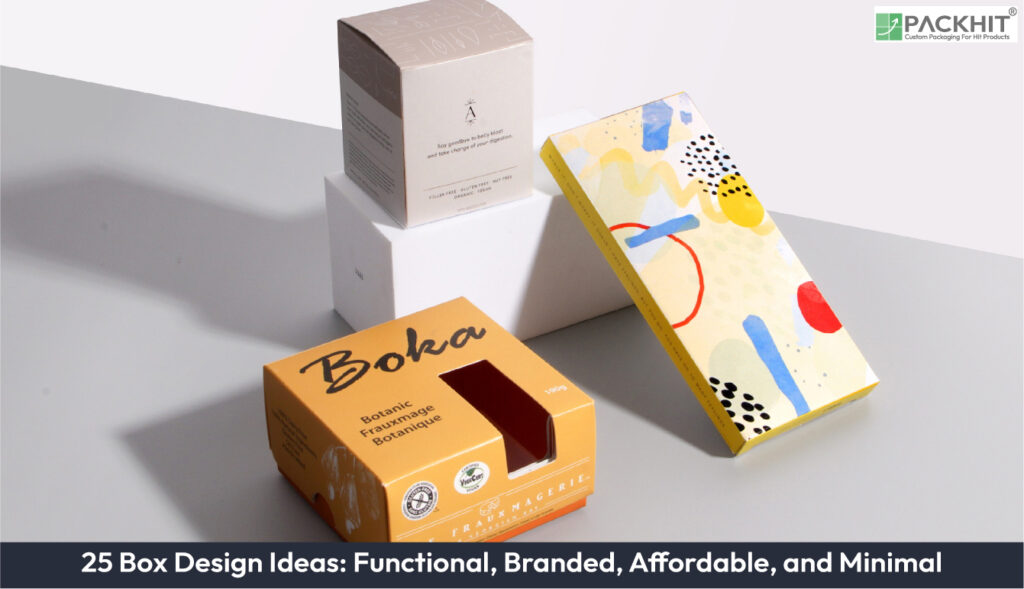
Box design ideas represent creative and practical approaches to packaging solutions, tailored to meet various industry needs such as protection, branding, affordability, and sustainability. Functional designs prioritize utility through durable materials and ergonomic features, ensuring products are safeguarded during shipping and storage. Branded designs emphasize visual identity, employing techniques such as embossing, custom typography, and QR code integration to reinforce brand values and improve consumer engagement. Affordable designs balance creativity and cost-efficiency, utilizing innovative features like DIY assembly and dual-purpose packaging to reduce manufacturing expenses. Minimal designs focus on simplicity and sustainability, incorporating eco-friendly materials and clean aesthetics to appeal to environmentally conscious consumers. Each category offers unique advantages, demonstrating how thoughtful box design can support manufacturers in achieving their goals.
The twenty-five functional, branded, affordable, and minimal box design ideas are given below:
- 1. Corrugated Boxes with Reinforced Edges
- 2. Flat-Pack Boxes for Space Efficiency
- 3. Self-Locking Boxes
- 4. Insulated Boxes for Temperature Control
- 5. Modular Boxes for Customization
- 6. Embossed and Debossed Logos
- 7. Window Cut-Outs for Product Visibility
- 8. Interactive QR Code Integration
- 9. Thematic Seasonal Packaging
- 10. Matte and Glossy Finishes
- 11. Custom Typography
- 12. Kraft Paper Boxes
- 13. Monochromatic Color Schemes
- 14. Flat Graphics and Icons
- 15. Foldable Boxes with Minimal Waste
- 16. Transparent Boxes
- 17. Zero-Ink Designs
- 18. DIY Assembly Kits
- 19. Dual-Purpose Boxes
- 20. Nested Boxes
- 21. Perforated Tear Strips
- 22. Printed Interiors
- 23. Reversible Boxes
- 24. Compact Slider Boxes
- 25. Stamped Patterns
- How to Choose the Right Box Design?
1. Corrugated Boxes with Reinforced Edges
Corrugated boxes with reinforced edges are often ideal for heavy or fragile items. The double-layered fluting can enhance compression resistance, making it generally suitable for shipping and storage. Common applications frequently include electronics and industrial components. Nonetheless, the additional material and specialized folding required for reinforced edges can lead to higher unit costs and longer production times.
2. Flat-Pack Boxes for Space Efficiency
Flat-pack boxes are typically designed for efficient storage and transportation. These boxes can be assembled on-site, potentially reducing shipping costs and warehouse space requirements. They are frequently used in the furniture and home goods industries. Reliance on the end-user for proper assembly may lead to structural failures if not executed correctly.
3. Self-Locking Boxes
Self-locking boxes can eliminate the need for adhesives or tapes, often relying on interlocking flaps for secure closure. This design is frequently useful for e-commerce packaging, where quick assembly and secure sealing are generally essential. Nevertheless, these mechanisms may offer less tamper-evident security compared to traditional heavy-duty adhesive sealing.
4. Insulated Boxes for Temperature Control
Insulated boxes, often lined with foam or reflective materials, typically maintain temperature control for perishable goods. These are frequently used in the food delivery and pharmaceutical industries. The use of composite materials for insulation often makes these boxes more difficult to recycle, presenting a significant environmental challenge. If recyclability is a priority, confirm the insulation and liner system with your recycling stream requirements before committing.
5. Modular Boxes for Customization
Modular boxes may feature adjustable compartments, allowing manufacturers to package products of varying sizes within the same box. This design is frequently employed in toolkits and gift sets. While versatile, the internal structural components can add weight and complexity to the manufacturing process, potentially increasing the risk of part misalignment.
6. Embossed and Debossed Logos
Embossing and debossing can add tactile elements to packaging, often enhancing the perceived value of the product. This technique is frequently used in luxury goods and cosmetics packaging. Yet, the precision required for these finishes necessitates specialized tooling, which can significantly increase the initial setup costs for production runs.
7. Window Cut-Outs for Product Visibility
Window cut-outs often allow consumers to view the product without opening the box. This design can be particularly effective for food items, toys, and retail displays. A notable drawback is that the cut-out section can compromise the overall structural integrity of the box, potentially making it more susceptible to crushing during transit.
8. Interactive QR Code Integration
Boxes with QR codes can enable interactive consumer experiences, such as accessing product tutorials or promotional content. This feature is increasingly common in tech and lifestyle brands. Reliance on digital integration assumes all consumers have the necessary technology and internet access, which may limit the reach of the intended marketing message. To avoid this, ensure the QR links work on common device cameras and include a short non-digital message on the box.
9. Thematic Seasonal Packaging
Seasonal packaging designs often incorporate festive themes to align with holidays or special events. These designs are frequently used in confectionery and gift industries to potentially boost seasonal sales. The risk associated with this strategy is the limited shelf life of the branding, which can result in significant inventory waste if the products do not sell within the targeted timeframe.
10. Matte and Glossy Finishes
Combining matte and glossy finishes can create a striking visual contrast, typically enhancing the aesthetic appeal of the packaging. This technique is frequently used in premium product categories. Applying dual coatings requires multiple passes or specialized printing equipment, which can lead to higher production costs and increased potential for scuffing during handling.
11. Custom Typography
Typography-focused designs often emphasize unique fonts and layouts to communicate brand personality. This approach is frequently seen in artisanal and boutique product packaging. Overly complex or unconventional typography can sometimes hinder readability, potentially confusing customers regarding essential product information or instructions.
12. Kraft Paper Boxes
Kraft paper boxes are often made from recycled materials, offering a generally sustainable and rustic aesthetic. They are frequently used in organic and eco-friendly product lines. Despite their eco-friendly appeal, kraft paper typically has lower moisture resistance than bleached or coated alternatives, which may affect its performance in humid environments.
13. Monochromatic Color Schemes
Monochromatic designs typically use a single color palette to create a cohesive and understated look. This approach is frequently popular in minimalist and luxury brands. The lack of color contrast can make it difficult for the packaging to stand out on crowded retail shelves against more vibrant competitors.
14. Flat Graphics and Icons
Flat graphics can eliminate unnecessary details, focusing on essential visual elements. This design is frequently used in tech and lifestyle product packaging. While modern, this style may be perceived by some consumers as too utilitarian or lacking the depth associated with premium, multi-layered illustrative designs.
15. Foldable Boxes with Minimal Waste
Foldable boxes are typically designed to minimize material usage while maintaining structural integrity. These boxes can be ideal for small-scale product packaging. Frequent folding and unfolding can weaken the crease points, potentially leading to tearing or structural failure over repeated use.
16. Transparent Boxes
Transparent boxes, often made from clear materials like PET, typically highlight the product itself as the focal point. This design is frequently used in food and cosmetic packaging. A primary warning is that clear plastics are highly susceptible to visible scratches and dust accumulation, which can detract from the product’s presentation if not handled carefully.
17. Zero-Ink Designs
Zero-ink designs may rely on embossing, die-cutting, or laser etching to create patterns, potentially reducing the environmental impact of printing processes. While sustainable, the lack of high-contrast ink can make regulatory information, such as ingredients or safety warnings, harder to read and comply with labeling standards.
18. DIY Assembly Kits
DIY assembly kits can allow consumers to construct the box themselves, often reducing manufacturing costs while potentially enhancing user engagement. This design is frequently popular in craft and hobby industries. If the instructions are unclear or if the components require high manual dexterity, it will result in a potentially frustrating user experience.
19. Dual-Purpose Boxes
Dual-purpose boxes can serve as both packaging and a functional item, such as storage containers or display stands. This approach often adds value while potentially minimizing waste. Designing for a secondary use often requires more durable and expensive materials, which can increase the overall packaging budget significantly.
20. Nested Boxes
Nested boxes typically feature multiple layers, often creating a sense of discovery during unboxing. This design is frequently used in subscription boxes and gift sets. The use of multiple layers significantly increases material consumption and shipping weight, potentially contradicting brand sustainability goals.
21. Perforated Tear Strips
Perforated tear strips can simplify the unboxing process while generally maintaining product security. This feature is frequently seen in food and beverage packaging. If the perforations are too deep, they can accidentally tear during shipping, leading to premature opening and potential product contamination.
22. Printed Interiors
Printed interiors often surprise consumers with hidden designs or messages inside the box, typically enhancing the unboxing experience. This design is frequently used in e-commerce packaging. Implementing double-sided printing requires sophisticated machinery and increased ink usage, which directly impacts the per-unit production cost.
23. Reversible Boxes
Reversible boxes often feature dual-sided printing, allowing consumers to potentially reuse the box with an alternate design. This approach can be both cost-effective and eco-friendly. A common limitation is that the exterior finish may be damaged during the initial shipment, making the interior design less appealing for secondary use.
24. Compact Slider Boxes
Slider boxes with a compact design can be ideal for small products like jewelry or tech accessories. Their sleek mechanism often adds a premium feel without a high cost. However, the sliding mechanism requires precise tolerances; even minor manufacturing variances can cause the box to stick or slide too loosely.
25. Stamped Patterns
Stamped patterns typically use minimal ink and can create visually appealing textures. This design is often suitable for brands aiming to reduce environmental impact while generally maintaining aesthetic appeal. The caveat is that stamps may provide less consistent results than offset printing, potentially leading to variations in ink density across different batches. To reduce batch-to-batch inconsistency, validate pressure settings during a pilot run and standardize tooling.
How to Choose the Right Box Design?
Choosing the right box design involves balancing functionality with brand aesthetics, considering the trade-offs of cost versus material durability, and aligning the packaging design with your specific audience’s expectations and environmental goals. Material selection must align with supply chain realities while keeping your brand message clear.
The core packaging factors are:
- Product protection: Ensure materials prevent damage from drops, moisture, or pressure during transit.
- Logistics and sizing: Right-size boxes to eliminate empty space, lower shipping weights, and cut freight costs.
- Unboxing experience: Design memorable openings with custom tape, tissue, or inserts that delight buyers.
- Regulatory compliance: Include required safety warnings, barcodes, and ingredient lists clearly