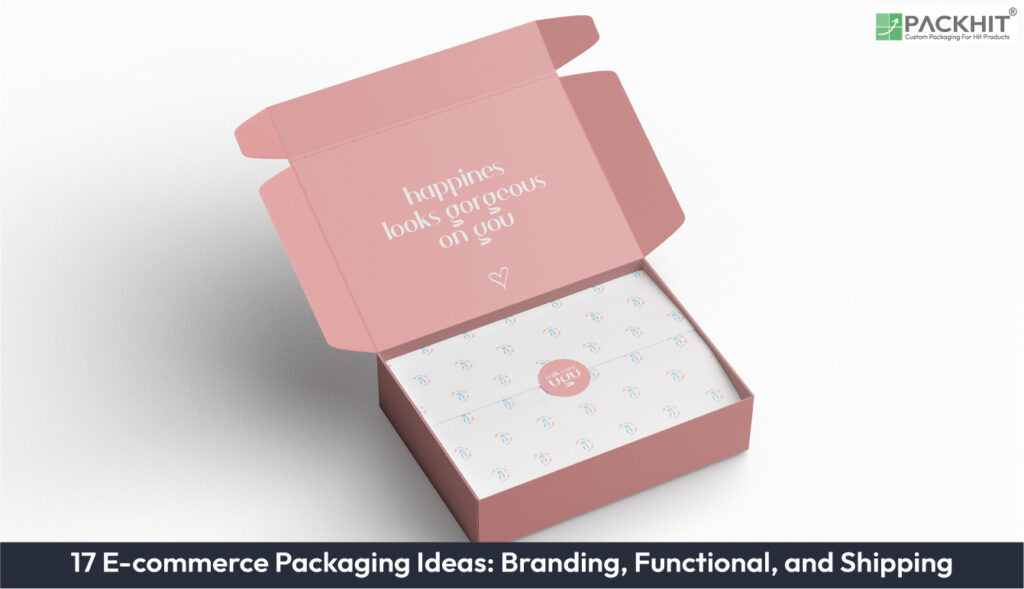
E-commerce packaging encompasses innovative design strategies that serve as an essential bridge between manufacturers and consumers. These ideas focus on enhancing product presentation, ensuring practicality, and optimizing logistics. By categorizing packaging into three key domains, such as branding, functional, and shipping, manufacturers can streamline their efforts to create packaging solutions that align with business goals and customer expectations.
Branding-oriented packaging emphasizes visual appeal and brand identity. Custom printed boxes, thematic designs, or minimalist eco-friendly materials elevate customer perception, making the unboxing experience memorable while reinforcing brand loyalty. Functional packaging prioritizes usability and protection, incorporating features like resealable designs, protective inserts, and multi-compartment layouts that cater to specific product needs. Shipping-focused packaging addresses logistics efficiency through lightweight materials, size optimization, and tamper-evident seals, reducing costs and ensuring product integrity during transit.
The following are the seventeen e-commerce packaging ideas, categorized into branding, functional, and shipping innovations:
- 1. Custom Printed Boxes
- 2. Minimalist Design with Eco-Friendly Materials
- 3. QR Code Integration
- 4. Thematic Seasonal Packaging
- 5. Easy-Open Tear Strips
- 6. Protective Inserts
- 7. Multi-Compartment Packaging
- 8. Resealable Packaging
- 9. Lightweight Materials
- 10. Flat-Pack Designs
- 11. Tamper-Evident Seals
- 12. Size-Optimized Packaging
- 13. Dual-Use Packaging
- 14. Insulated Packaging for Temperature-Sensitive Goods
- 15. Modular Packaging Systems
- 16. Biodegradable Void Fillers
- 17. Smart Packaging with RFID Tags
- How to Choose the Right E-commerce Packaging?
1. Custom Printed Boxes
Custom printed boxes place brand logos, colors, and product messaging directly on the carton surface. Use offset or digital printing for sharp lines and consistent spot-color matching across production runs. Use this option if you sell at retail or unbox on camera; avoid it for products that require frequent redesigns without reprinting inventory.
2. Minimalist Design with Eco-Friendly Materials
Minimalist packaging uses recyclable or biodegradable substrates, clean typography, and low-ink graphics. Pair kraft paper or certified compostable materials with simple ink coverage to reduce material load. Use minimalist branding for gift-ready items with low SKU variation; avoid it for fragile goods that need dense cushioning, because minimal surfaces limit protection cues and reduce space for inserts.
3. QR Code Integration
QR codes connect the package to product tutorials, warranty registration, and limited-time offers. Scan pages must load fast on mobile networks, and the code placement must survive abrasive handling on corrugated. Use QR codes for instruction-heavy products like electronics accessories; avoid them for shipments that travel in extreme moisture or condensation, since scuffing can prevent scans. Test scan reliability on the final printed surface (including lighting/finish) and ensure the linked content matches the packaging’s intended audience.
4. Thematic Seasonal Packaging
Seasonal packaging uses holidays and events to change artwork, colors, and messaging by calendar period. Limited-edition Christmas or Valentine’s Day graphics support promotion calendars and retailer merchandising. Use seasonal artwork when you can lock artwork production 4 to 6 weeks ahead; avoid it for fast-turn items where lead times break the sales window.
5. Easy-Open Tear Strips
Tear strips simplify opening and reduce customer friction for frequent-access products like subscription refills. Choose tear strip material thickness and perforation density based on carton board weight so the strip opens cleanly without accidental release during transit. Use tear strips when the package is opened repeatedly or by non-technical users; avoid them for heavy, high-fragility shipments where accidental partial openings can shift contents.
6. Protective Inserts
Custom inserts such as molded pulp or foam immobilize products and limit micro-movement during drops and vibration. Inserts should match each item’s profile, then include clearance for tolerances and surface finishes. Use biodegradable or recyclable inserts for light-to-medium fragile items where impact levels stay moderate; avoid them for very brittle components that need high compression resistance, because some eco foams crush under severe shock.
7. Multi-Compartment Packaging
Multi-compartment packaging separates items inside one package to reduce contact damage and improve presentation. Corrugated partitions work for accessories and kits, while molded fiber compartments work for smaller fragile parts. Use compartments for bundles like skincare sets or mixed electronic accessories; avoid them when the customer must reach every item quickly, since tight compartments can slow extraction and increase repacking errors.
8. Resealable Packaging
Resealable closures such as resealable bags, zip locks, or adhesive reclose tabs extend usability after first opening. Keep the seal strength aligned to product weight so the closure stays closed during handling. Use resealable packaging for consumables like powders or wipes; avoid it for temperature-sensitive liquids that require leakproof barrier performance across temperature cycling.
9. Lightweight Materials
Lightweight materials such as kraft paper wraps or corrugated flats reduce parcel weight and can lower shipping cost per shipment. Recyclability matters for reverse logistics, so choose mono-material structures when feasible. Use lightweight options for non-fragile products like apparel or rigid accessories; avoid them for products with breakable edges, because thin structures raise corner crush risk during parcel stacking. Validate drop/shock tolerance so cost savings don’t increase damage rates.
10. Flat-Pack Designs
Flat-pack packaging cuts storage space and reduces dimensional freight charges by packing components in a smaller footprint. Components stay protected by score lines, folded braces, and sleeve openings designed to fit the filled items. Use flat-pack designs for modular or furniture-style goods; avoid them for fragile glass or ceramic items, because the assembly and handling steps increase drop exposure at the packing stage.
11. Tamper-Evident Seals
Tamper-evident seals show visible signs of interference during transit or after delivery. Use holographic stickers, breakable tapes, or seal bands that irreversibly tear when removed. Use tamper evidence for high-value items like electronics and for regulated goods that require chain-of-custody checks; avoid placing seals where customers must repeatedly open the package, because repeated opening can trigger the seal and confuse return handling.
12. Size-Optimized Packaging
Size-optimized packaging reduces empty volume so parcels need less filler and internal movement stays low. Use a packaging workflow that maps product measurements to corrugated dielines, then generates templates for carton interiors, inserts, and sleeve openings. Size optimization works best if you lock product dimensions within a defined tolerance band; avoid it if production batches vary widely in length, width, or height, because under-clearance increases corner stress and increases damage rates.
13. Dual-Use Packaging
Dual-use packaging acts as a shipping container and an in-store display, reducing the need for a separate merchandising unit. A carton that converts into a counter stand can shorten retailer handling steps and speed stocking. Use dual-use cartons when point-of-sale visibility matters, such as display-first retail products; avoid it for bulky items that cannot be safely presented without added supports.
14. Insulated Packaging for Temperature-Sensitive Goods
Insulated packaging uses thermal liners, gel packs, or phase-change materials to maintain temperature within a target band during transit. Transit performance depends on insulation thickness, pack-out method, and the number of door openings at warehouses. Use insulated packs for food delivery or temperature-sensitive pharmaceuticals; avoid them for products that tolerate room temperature because extra insulation increases weight and slows unpacking.
15. Modular Packaging Systems
Modular systems allow multiple configurations with shared parts, such as interlocking corrugated panels or adjustable dividers. This approach reduces packaging SKU variety and simplifies warehouse picking. Use modular systems when you ship a range of product counts, like subscription variants; avoid them when one product requires tight, custom fit, because generic modules can leave movement that needs additional cushioning.
16. Biodegradable Void Fillers
Biodegradable void fillers, including starch-based peanuts and shredded paper, cushion items and reduce plastic use in outbound shipments. Choose void-fill density based on product fragility to limit shifts during drops. Use biodegradable fillers when damage risk is moderate and the carton volume allows room for consistent fill; avoid them for lightweight flat items that can drift when the void filler settles under vibration.
17. Smart Packaging with RFID Tags
Smart packaging adds RFID labels so warehouses and carriers scan items at transfer points for faster sorting and better traceability. Use passive RFID tags for item-level traceability and pair them with package ID stickers when handheld scanners support the same frequency and read range. Use RFID-enabled packaging for high-value goods and time-sensitive deliveries where misroutes cost money; avoid it if the carrier network lacks RFID readers, since tags add handling complexity without scan benefits.
Pick branding-first ideas when unboxing and repeat perception matter; prioritize protection and tamper-evidence when items are high-value or frequently handled; choose lightweight/size-optimized options when shipping cost is the key constraint.
Failure modes during transit include impacts that crack cartons, vibration that shifts items, moisture that weakens paper fiber, and seal failures that expose products. Use constraints tied to shipping conditions: set insulated packaging for a defined temperature band and time window, size-optimized cartons for dimensional tolerances, and resealable closures for humidity exposure.
How to Choose the Right E-commerce Packaging?
Choose packaging by matching the product’s weight, dimensions, and damage risks to the box type, cushioning thickness, and closure method, then confirm compliance with shipping carrier rules and choose paper-based materials that stay rigid during transit.
Compare decisions across categories: choose Branding for face-panel clarity and QR/tamper visibility, choose Functional for access frequency and protection method (inserts, compartments, tear strips), and choose Shipping for transit risks (compression strength, moisture resistance, temperature control, and tracking needs) using your product fragility score and environmental requirements.