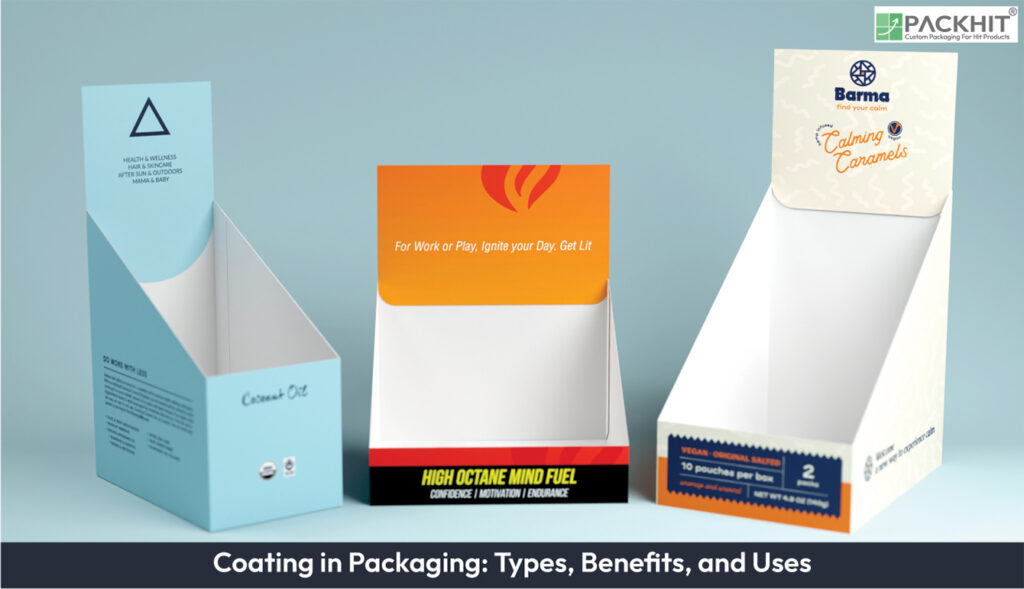
Coating in packaging adds a functional or decorative layer to the package surface to modify its appearance, protection, or performance. Its main types include aqueous, UV, varnish, barrier, and recycling-compatible coatings, each suited to different finishing and product requirements. Its benefits center on improving presentation, surface durability, tactile quality, and functional protection. Coatings are used across packaging applications where branding, handling conditions, product protection, or end-of-life considerations influence material selection. Current developments are increasingly focused on recyclable barrier systems, lower-impact formulations, regulated-substance alternatives, and more efficient curing technologies. Choosing the right coating ultimately depends on the substrate, product contents, required protection, desired finish, production process, and recycling or compliance needs.
Types of Coatings in Packaging
Packaging coatings can be categorized based on their composition, application method, and intended functionality. The most common types of coatings in packaging are discussed below:
Aqueous Coating
Aqueous coating is a water-based finish applied to printed packaging materials. It can enhance the appearance of printed colors while helping protect the surface from scuffs, fingerprints, and limited moisture exposure, depending on the formulation, substrate, and application conditions.
UV Coating
UV coating is a liquid coating that cures rapidly when exposed to ultraviolet energy, forming a solid surface layer over the printed substrate. It can be applied across the package or selectively to elements such as logos and graphics to create contrast. The final appearance and wear resistance depend on the coating formulation, application weight, substrate, ink system, and curing conditions, so compatibility should be considered before production.
Varnish Coating
Varnish coatings are thin layers applied to printed materials to enhance their appearance and durability. Available in gloss, matte, and satin finishes, varnish coatings improve tactile experiences and protect packaging from environmental factors. They are commonly used in food and beverage packaging.
Barrier Coatings
Barrier coatings are formulated to help limit the movement of moisture, grease, oxygen, or other substances through a packaging material. For example, a grease-resistant coating on paper-based food packaging can help prevent oils from penetrating the board and affecting its appearance or performance. Effective barrier selection depends on what must be controlled, the substrate, product contents, storage conditions, and whether folding, sealing, or other converting processes could disrupt the coated surface.
Recyclable Coatings
Recyclable-compatible coatings are designed to provide required surface or barrier properties without preventing the package from entering its intended recycling process. For paper-based packaging, this means considering whether the coating allows the fiber-based structure to be processed appropriately within the targeted recycling stream. Compatibility depends on the complete package, not just the coating, including the substrate, coating formulation, adhesives, laminations, inks, and available recycling infrastructure.
What are the Benefits of Coatings in Packaging?
Coatings in packaging offer a range of benefits that improve both the functionality and aesthetic appeal of packaging materials. Below are the key advantages of coatings in packaging:
- Enhanced Aesthetic Appeal: Coatings significantly improve the visual appeal of packaging by adding gloss, matte, or textured finishes. This enhances customer perception and strengthens brand resonance. For example, UV coatings create a premium look that attracts consumer attention.
- Protective Function: Coatings act as guardians, preserving the integrity of printed designs and colors. They protect packaging from scratches, moisture, and environmental wear, ensuring durability and quality. Barrier coatings, for instance, prevent grease and moisture from compromising food packaging.
- Sustainability: Eco-friendly coatings, such as aqueous and recyclable options, align with sustainability goals by reducing environmental impact. These coatings are biodegradable and recyclable, making them ideal for brands focused on green initiatives.
- Improved Tactile Experience: Coatings enhance the tactile appeal of packaging, creating a luxurious feel that elevates the unboxing experience. Matte and satin finishes are particularly effective in creating a sophisticated touch.
Applications of Coatings in Packaging
Coatings are used across various industries to meet specific packaging needs. Below are some common applications of coatings in packaging:
- Custom Packaging: Coatings are integral to custom packaging, allowing brands to create unique designs that stand out. Aqueous and UV coatings are popular choices for enhancing visual appeal and durability.
- Food Packaging: Barrier coatings can be used in food packaging to help manage exposure to moisture, grease, or gases. Their contribution to freshness or shelf-life performance depends on the complete package design, coating formulation, product characteristics, storage conditions, and validated use.
- Luxury Goods: UV and varnish coatings are widely used in luxury packaging to create a premium look and feel. These coatings enhance the aesthetic appeal of high-end products such as cosmetics, jewelry, and electronics.
- Sustainable Packaging: Recyclable and biodegradable coatings are increasingly used in sustainable packaging. These coatings help brands meet environmental goals while maintaining packaging quality.
Performance Note: Coating type alone does not guarantee barrier performance, product protection, recyclability, regulatory compliance, or shelf-life improvement. Where these properties are critical, the finished packaging structure should be evaluated against the intended product, production conditions, and applicable requirements.
Current Trends in Packaging Coatings
Current packaging coating development includes greater attention to water-based and recycling-compatible barrier systems that seek to balance functional performance with end-of-life considerations. In some applications, manufacturers may also evaluate alternatives to substances such as BPA or PFAS based on product specifications, material requirements, and applicable regulations. Curing technologies are another area of development, with some systems designed to improve production efficiency or reduce processing and energy demands where technically feasible. The suitability and adoption of these approaches depend on the packaging application, material structure, production process, market, and applicable requirements.
How to Choose a Packaging Coating Type for Your Product?
Choose a packaging coating according to the property the package cannot function without. Food and beverage packaging may require barrier performance against grease, moisture, or gases, while cosmetics and luxury products may prioritize UV, matte, or specialty finishes for visual and tactile differentiation. Retail and e-commerce packaging often place more emphasis on resistance to handling and scuffing, while paper-based packaging intended for recycling should use coatings compatible with the relevant recycling stream. Functional requirements should come first, followed by substrate and process compatibility, regulatory or end-of-life considerations, and finally decorative effects. A coating that delivers a premium finish but conflicts with the package structure, converting process, product requirements, or recycling pathway is generally a poor fit.