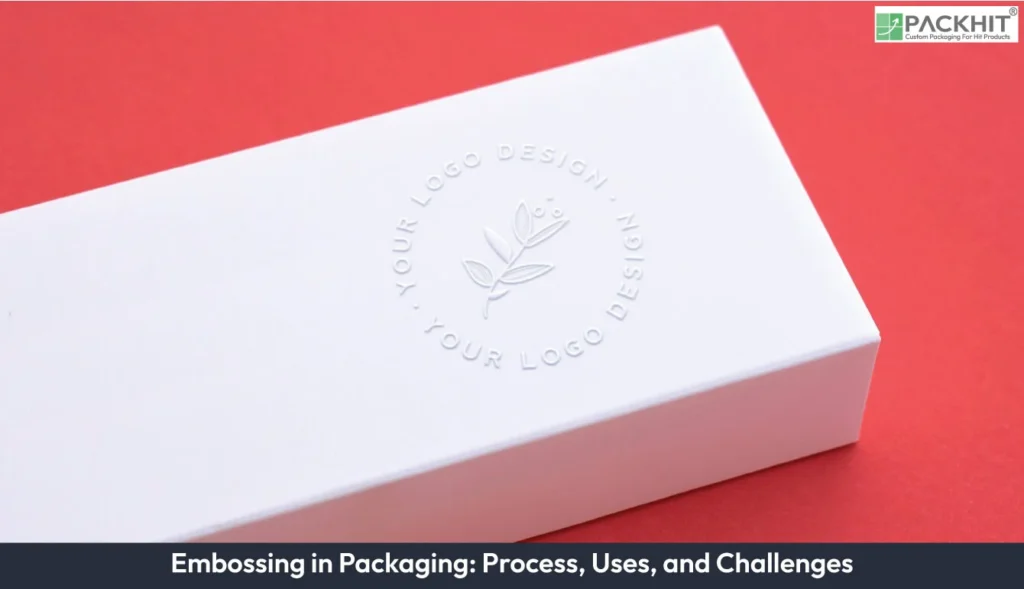
Embossing in packaging is a finishing technique that adds dimension and texture to selected surface elements, such as raised logos, lettering, or patterns on paperboard boxes. Its suitability depends on material characteristics, design complexity, required depth, and the level of detail the substrate can retain without cracking or distortion. The process of embossing starts with artwork preparation, moving to die configuration, substrate selection, pressure, heat where applicable, and any additional finishes. These factors allow embossing to support tactile branding, premium presentation, and product differentiation across various packaging applications. However, deeper impressions, fine details, coated surfaces, and combinations with other finishes can introduce production or recyclability considerations that manufacturers need to evaluate. Current developments in recyclable substrates, digital embellishment, short-run customization, and connected packaging are further influencing how embossed effects are created and applied.
- How Does the Embossing Process Work?
- Uses of Embossing in Packaging
- What Challenges Do Manufacturers Face While Using Embossing?
- Current Trends in Embossing for Packaging
- What is the Difference Between Embossing and Debossing?
- What Effects Can Embossing Create on Packaging?
- When Should Embossing Be Avoided in Packaging?
- Key Considerations Before Choosing Embossing for Packaging
How Does the Embossing Process Work?
The embossing process typically involves several key steps that can influence the final quality and appearance of the design. Below is a detailed breakdown of the process:
1. Design Preparation
The first step is to create a digital design of the desired embossing pattern. This design is then used to manufacture custom dies, which are typically made from brass, magnesium, or copper. The dies consist of two parts: the male die (raised) and the female die (recessed).
2. Material Selection
The choice of material plays a crucial role in the embossing process. Materials with sufficient thickness and flexibility, such as high-quality paperboard or plastic, are ideal for achieving crisp and detailed embossing effects.
3. Heat and Pressure Application
During the embossing process, the material is placed between the male and female dies. Heat and pressure are applied to press the design into the material, creating a raised or recessed effect. Temperature and pressure settings are typically selected based on the material type, substrate characteristics, and design complexity.
4. Finishing Touches
After embossing, additional finishing techniques such as foil stamping or spot UV coating can be applied to further enhance the design. These techniques add color, texture, or gloss to the embossed areas, making them stand out even more.
Practical Embossing Checks Before Production: Embossing results should be validated on the actual packaging substrate because material thickness, coating, flexibility, and required depth can affect the final impression. For example, thin or brittle stock may crack or distort with deeper embossing, while very fine artwork may lose definition if the material cannot hold sharp detail. Coated or laminated substrates can also respond differently under pressure than uncoated board.
Uses of Embossing in Packaging
Embossing is commonly applied to logos, product names, decorative patterns, and selected graphic elements across applications ranging from retail cartons to luxury and limited-edition packaging. Its use varies according to the branding objective, package format, and intended customer experience.
- Branding and Logo Enhancement: Embossing is often used to highlight brand logos, names, or taglines on packaging. This not only reinforces brand identity but also creates a premium look and feel that resonates with consumers.
- Luxury and Premium Packaging: High-end products such as cosmetics, perfumes, and gourmet foods often feature embossed packaging to convey a sense of luxury and exclusivity. The tactile experience of embossed designs adds to the overall perception of quality.
- Product Differentiation: In competitive markets, embossing helps products stand out on retail shelves. Unique embossed patterns or textures can attract consumer attention and influence purchasing decisions.
- Special Editions and Gift Packaging: Embossing is frequently used for limited-edition products or gift packaging to create a memorable unboxing experience. The technique adds a touch of sophistication and makes the packaging more collectible.
What Challenges Do Manufacturers Face While Using Embossing?
The added depth and detail of embossing can introduce trade-offs in cost, material compatibility, production time, and consistency. Manufacturers commonly need to account for the following challenges:
Cost Implications
The production of custom dies for embossing, along with the additional processing steps, can substantially increase manufacturing costs. This often limits embossing to high-value or premium products, where the investment aligns with brand positioning.
Material Limitations
Not all packaging materials are suitable for embossing. Thin or fragile substrates may tear or lose structural integrity under the applied heat and pressure, reducing the range of materials that can be effectively used.
Design Complexity
Intricate designs require advanced die-making techniques and precise calibration during the embossing process. This can result in longer production times and increased difficulty in achieving consistent results across large batches.
Environmental Considerations
Some embossing materials and finishes may conflict with sustainable packaging practices. Manufacturers often need to balance aesthetic and tactile appeal with the growing demand for eco-friendly solutions.
While embossing offers numerous benefits, it also presents certain challenges that manufacturers must address to achieve optimal results:
Current Trends in Embossing for Packaging
Current developments in embossing reflect a shift toward more flexible production, recyclable packaging structures, tactile design, and digitally supported embellishment. Key trends include:
- Recyclability-Focused Embossing: Packaging development is increasingly focused on achieving premium effects without compromising recyclability. Brands are exploring recyclable substrates, compatible coatings, and lower-impact embellishment processes while reducing unnecessary material combinations. This approach allows embossed packaging to retain its visual and tactile appeal while better supporting circular packaging goals.
- Digital and Die-Less Embellishment: Digital embellishment technologies are expanding the possibilities for creating raised textures and embossed-like effects without relying exclusively on conventional dies. These systems provide greater control over the placement and height of embellishments while reducing setup requirements, making detailed premium effects more practical for a wider range of production volumes.
- Short-Run and Variable Embossing: Growing demand for seasonal packaging, limited editions, regional variations, and targeted campaigns is increasing the importance of flexible embellishment methods. Digital technologies can apply variable raised effects to individual designs, enabling brands to produce customized packaging economically without committing to large production runs.
- Tactile and Minimalist Premium Design: Embossing is increasingly being used selectively rather than covering packaging with elaborate decoration. Raised typography, logos, subtle patterns, and carefully positioned textures can create a premium appearance through touch and depth while supporting cleaner, more minimalist packaging designs.
- Integration with Smart Packaging: Embossing is also being combined with digital engagement features such as QR codes and other connected packaging elements. While embossing provides physical and tactile differentiation, digital features can connect consumers to product information, authentication, traceability, promotions, or interactive brand experiences.
These trends show that modern embossing is moving beyond decoration alone. Greater emphasis on recyclability, digital production, shorter and more customized runs, tactile simplicity, and connected packaging is allowing manufacturers to use embossed effects in ways that respond to current production, branding, and sustainability requirements.
What is the Difference Between Embossing and Debossing?
Embossing and debossing both add tactile depth to packaging, but they create opposite effects on the surface. The key differences can help determine which technique better suits a particular packaging design.
| Aspect | Embossing | Debossing |
|---|---|---|
| Surface Effect | Creates a raised design above the surface. | Creates a recessed design pressed into the surface. |
| Visual Impact | Makes logos and details appear more prominent. | Produces a subtle, engraved or indented appearance. |
| Tactile Feel | Provides a noticeable raised texture. | Provides an inward, pressed texture. |
| Common Uses | Logos, brand names, patterns, and premium details. | Logos, lettering, minimalist designs, and subtle branding. |
| Selection Factors | Depends on substrate, depth, design detail, and package structure. | Depends on substrate, impression depth, design detail, and package structure. |
Neither technique is universally better. Embossing is generally preferred for a more prominent raised effect, while debossing works well when a restrained, recessed impression complements the packaging design. Material suitability and production requirements should be evaluated before selecting either technique.
What Effects Can Embossing Create on Packaging?
Embossing can create raised logos, lettering, patterns, and surface textures that add visible depth and tactile contrast to packaging. Depending on the design and substrate, the effect can range from subtle detailing to more pronounced dimensional features used to emphasize specific brand elements.
When Should Embossing Be Avoided in Packaging?
Embossing may not be suitable for thin, brittle, heavily coated, or easily distorted packaging materials. Fine details can lose definition, while excessive embossing depth or pressure may cause cracking, tearing, or deformation. Designs placed close to folds, scores, or glued areas can also affect package performance. Because results depend on substrate thickness, finish, design complexity, and equipment settings, testing the actual material before full production is recommended.
Key Considerations Before Choosing Embossing for Packaging
Before choosing embossing, brands should evaluate whether the intended design can be reproduced clearly on the selected substrate. Factors such as material thickness and finish, artwork detail, embossing depth, placement near folds or edges, and compatibility with other finishing processes can affect the result. Production volume, die and setup costs, recyclability requirements, and consistency across batches should also be considered. Testing the intended material and artwork before full production can help identify problems such as weak definition, cracking, distortion, or misalignment.