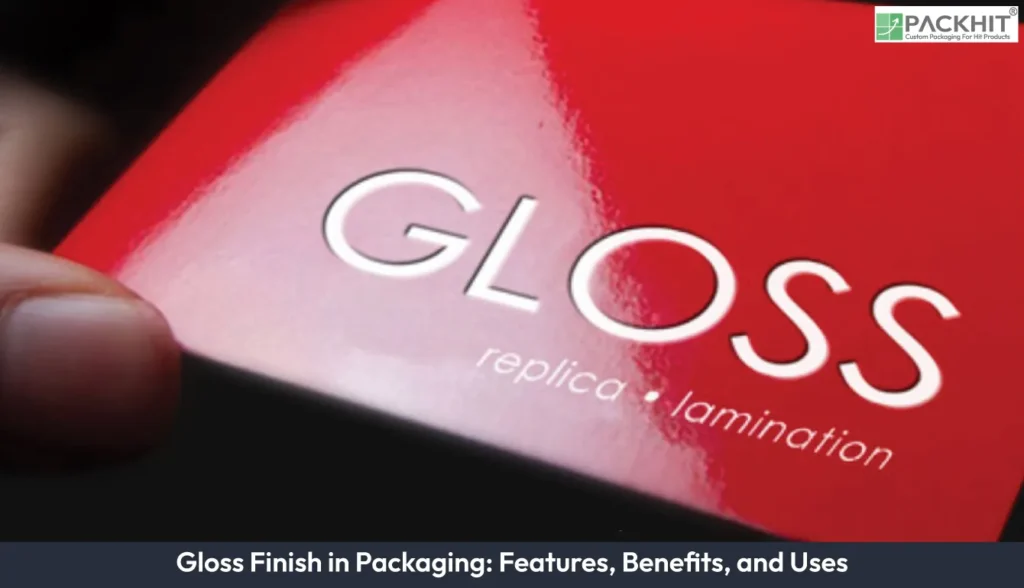
A gloss finish is a type of packaging finish that adds a shiny, reflective, and vibrant appearance to product packaging. The main features of gloss finish include vibrant visual appeal, reflectivity that varies by coating and surface treatment, water resistance that depends on the coating and material, enhanced color vibrancy, and a polished appearance that can elevate product presentation across branding and design domains. The benefits of gloss finish in packaging can include improved visual impact, surface protection from certain environmental factors, and increased perceived color clarity for stronger brand recognition. Industries such as cosmetics, electronics, and food packaging commonly use gloss finishes to convey luxury, modernity, and freshness. However, considerations like glare affecting readability, fingerprint marks on shiny surfaces, and potentially higher costs, depending on the finishing process and materials, should be carefully weighed when opting for this finish.
Main Features of Gloss Finish
The main features of a gloss finish are visual appeal, reflective quality, water resistance, color enhancement, and appearance.
The table below provides an overview of key features associated with gloss finishes, detailing their values, degrees of impact, comparative characteristics, and relevance across domains such as branding, design, and packaging.
| FEATURES | Value | Degree | Impact | Comparative Analysis | Cross-Domain Relevance |
|---|---|---|---|---|---|
| Visual Appeal | Vibrant and eye-catching | Varies by coating, substrate, and lighting | Can support a premium appearance and improve shelf visibility | Gloss finishes often appear more vivid and attention-grabbing than matte finishes, although the effect depends on artwork and lighting | Branding, marketing, and product design |
| Reflective Quality | Smooth and light-reflective | Varies | Influences shine, glare, and the overall visual character of the surface | Gloss finishes typically reflect more light than matte finishes, but reflectivity varies by coating type and surface texture | Interior design and industrial applications |
| Water Resistance | May provide additional surface protection | Varies by coating, substrate, and application method | Can help reduce surface absorption and moisture-related wear | Some gloss laminates may offer improved water resistance compared with certain matte finishes, depending on the materials and process used | Food and beverage packaging |
| Color Enhancement | Can increase perceived color vibrancy | Moderate to strong, depending on ink, substrate, and lighting | Can make printed colors, images, and branding elements appear more vivid | Gloss finishes may create stronger perceived color saturation than matte finishes, although results vary by printing and finishing method | Branding and product differentiation |
| Appearance | High-shine and reflective | Varies from subtle sheen to highly reflective | Can create a polished, modern, or premium presentation | Gloss finishes are generally more reflective than matte finishes, while matte surfaces usually create a softer, less glossy appearance | Luxury goods and cosmetics packaging |
Understanding these characteristics helps businesses evaluate whether a gloss finish aligns with their branding, product protection, and packaging requirements. The practical advantages of these features are outlined below.
Benefits of Gloss Finishes
The benefits of gloss finish can include sharper-looking printed images, stronger perceived brand contrast, increased color vibrancy under suitable lighting, and additional surface protection on some coated carton and label materials.
- Sharper Print Reproduction: Gloss finishes can improve the visual definition of photographs, gradients, and detailed graphics, making them suitable for packaging designs with complex artwork.
- Greater Shelf Visibility: The reflective surface can help products attract attention under retail lighting, supporting branding and product differentiation in competitive environments.
- Additional Surface Protection: Depending on the coating system, gloss finishes may provide added resistance to light scuffing, moisture, and routine handling, helping maintain the package’s appearance throughout distribution.
What are the Main Industries That Use Gloss Finishes?
Gloss finishes are commonly used in consumer packaging, including food and beverage labels, cosmetics and personal-care boxes, pharmaceutical cartons, and electronics retail packs. The main industries that use gloss finishes are discussed below.
Cosmetics Packaging
Gloss finishes are commonly used in cosmetics packaging to create a polished or premium appearance. Cosmetic brands often select gloss finishes to emphasize premium branding, decorative graphics, and product imagery on retail shelves.
Electronics Packaging
In the electronics industry, gloss finishes may be applied to packaging to support a sleek, polished, or modern presentation. The suitability of the finish depends on the product’s branding, artwork, handling requirements, and retail environment. Electronics packaging commonly uses gloss finishes to complement modern product aesthetics and highlight high-resolution printed graphics.
Food Packaging
Gloss finishes are used in some food packaging applications to enhance visual presentation and, depending on the coating and substrate, provide additional surface resistance to moisture. Food packaging may use gloss finishes to improve shelf presentation while providing an additional protective coating for printed surfaces, depending on the packaging material.
Important Things to Consider When Using Gloss Finishes
Use gloss finishes in packaging if consistent film curing, correct substrate choice, and controlled storage conditions reduce smudging, blocking, and surface scuffing during transport.
- Glare and Readability: Gloss finishes can produce glare, making text and designs on packaging harder to read under certain lighting conditions. This should be considered when designing packaging for products that include detailed information.
- Fingerprint Visibility: Shiny gloss surfaces may show fingerprints and smudges more readily, which can affect the perceived cleanliness of the packaging. Surface treatments or protective coatings may help reduce this issue.
- Cost Implications: Gloss finishes may cost more than some matte options, depending on the materials, application method, production volume, and finishing process. Manufacturers should weigh the additional cost against the desired aesthetic and functional benefits.
If readability of fine print is critical, plan for glare management; if your product will be handled frequently, address fingerprints early. Otherwise, the visual lift and shelf visibility may be worth the added cost.
When Should a Business Choose a Gloss Finish for Product Packaging?
A gloss finish is most suitable when packaging needs vivid color reproduction, strong shelf visibility, and a polished appearance that draws attention to logos, photographs, or detailed graphics. It works particularly well for cosmetics, food labels, electronics, and other consumer products where visual impact is a priority. However, businesses should also consider lighting conditions, surface handling, and brand positioning, as highly reflective packaging may show glare or fingerprints more readily than matte alternatives. The best choice is the finish that supports both the product’s presentation and its practical packaging requirements.