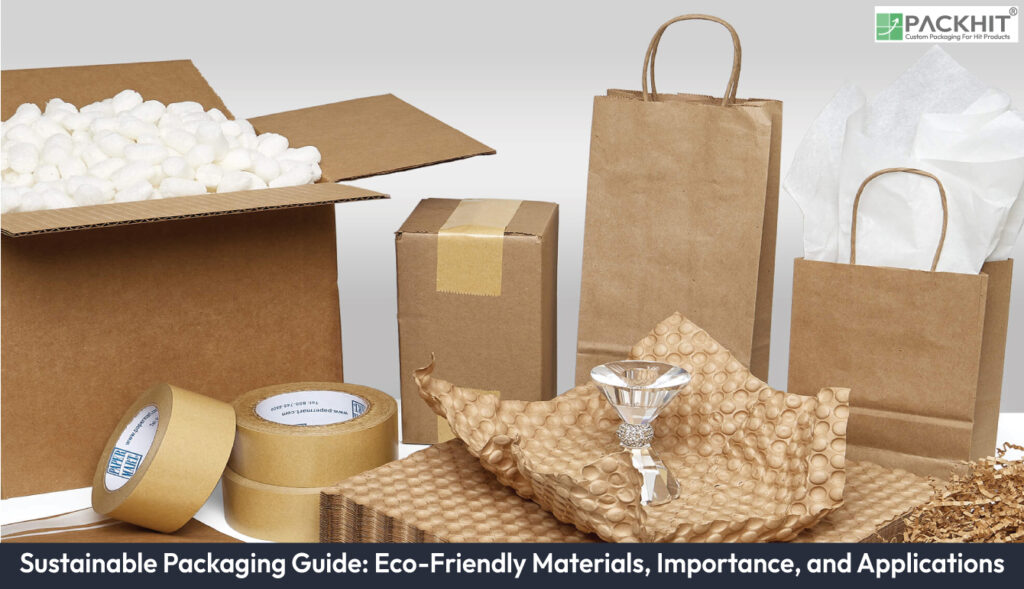
Sustainable packaging is designed to reduce environmental impact by using materials and systems that support more efficient resource use, waste reduction, and improved end-of-life management. Common approaches include recycled paper, biodegradable plastics, and plant-based alternatives. However, sustainability outcomes depend on factors such as material selection, product requirements, and the availability of local recycling or composting infrastructure.
Sustainable packaging can support business goals by improving material efficiency, strengthening brand communication, and helping companies align with applicable environmental requirements. For manufacturers, the most suitable sustainable packaging option is not always the lowest-impact material alone; it should balance product protection, cost, supply availability, and realistic end-of-life processing options.
What is Sustainable Packaging?
Sustainable packaging is a type of packaging designed to reduce environmental impact throughout its lifecycle. This includes sourcing materials responsibly, minimizing resource use during production, and ensuring end-of-life recyclability or biodegradability. Unlike traditional packaging, which often relies on non-renewable resources, sustainable packaging prioritizes eco-friendly materials such as recycled paper, biodegradable plastics, and plant-based alternatives.
What Materials are Used in Sustainable Packaging?
Sustainable packaging materials are selected based on their environmental impact, lifecycle performance, and compatibility with recycling systems. Common materials include:
Recycled Paper and Cardboard
Recycled paper and cardboard are widely used because they can support material recovery systems and reduce reliance on virgin fibers when appropriate recycling infrastructure is available. These materials are ideal for e-commerce packaging, shipping boxes, and retail displays, offering durability and reduced reliance on virgin resources.
Plant-Based Materials
Innovations in plant-based packaging, such as mushroom-based foam and seaweed-derived films, offer biodegradable and compostable alternatives to traditional plastics. These materials are gaining attention in industries like cosmetics and food packaging, although their performance and end-of-life outcomes depend on formulation, certification, and available disposal systems.
Edible Packaging Materials
Edible packaging materials are designed to be consumed with certain products and can help reduce conventional packaging waste in specific applications. Examples include seaweed wraps for food items, starch-based films for dry goods, and edible coffee cups made from cookie dough. These materials are particularly effective in reducing single-use plastic in the food and beverage industry.
Biodegradable Plastics
Biodegradable plastics are designed to break down under certain environmental conditions, but the actual outcome depends on material composition, certification, and available composting or waste-management systems. These materials are particularly relevant in food packaging and single-use applications, offering a more sustainable alternative to conventional plastics.
Why is Sustainable Packaging Important?
Sustainable packaging is important because it plays a crucial role in reducing environmental damage, conserving valuable resources, and supporting long-term sustainability goals. It helps minimize packaging waste by encouraging the use of recyclable, reusable, and biodegradable materials, reducing the amount of waste sent to landfills. By using efficient materials and optimized production methods, sustainable packaging can help lower carbon emissions depending on material choice and lifecycle factors.
Beyond environmental benefits, sustainable packaging helps businesses meet growing consumer expectations for eco-friendly practices and comply with evolving environmental regulations. Companies that adopt sustainable packaging solutions can strengthen their brand reputation, build customer trust, and demonstrate their commitment to responsible business practices. It also provides economic advantages by improving material efficiency, reducing waste management costs, and optimizing supply chain operations.
Furthermore, sustainable packaging supports a circular economy by keeping materials in use for longer periods through recycling and reuse. This reduces dependence on virgin resources, protects natural ecosystems, and contributes to a more sustainable future for industries and communities.
Applications of Sustainable Packaging Across Industries
Sustainable packaging is flexible and can be used in many industries, including the following:
Food and Beverage
Sustainable packaging plays a pivotal role in the food and beverage industry by combining safety and environmental responsibility. Biodegradable materials, such as plant-based plastics and compostable films, are frequently used for food containers and wrappers. These materials prevent contamination, preserve product freshness, and reduce waste accumulation in landfills. For beverage cartons, innovations like water-based adhesives and recyclable paper layers ensure compatibility with recycling systems while maintaining product integrity.
E-Commerce
The e-commerce sector benefits significantly from sustainable packaging through the adoption of recycled and lightweight materials. Corrugated cardboard boxes, made from high post-consumer recycled content, are widely preferred for shipping due to their durability and eco-friendliness. Protective fillers, such as shredded paper and biodegradable air cushions, replace plastic-based alternatives, reducing ecological impact. Furthermore, customizable packaging designs enhance branding while adhering to sustainability standards.
Cosmetics and Personal Care
Sustainability in cosmetics packaging focuses on reducing waste and enhancing product appeal. Plant-based materials, such as bamboo jars and sugarcane-derived plastics, are increasingly used for containers and applicators. Additionally, refillable systems for products like lotions and serums allow consumers to reuse durable packaging, minimizing disposal rates. These innovations not only align with eco-conscious values but also strengthen brand identity by showcasing environmental commitment.
Challenges of Sustainable Packaging
Challenges of sustainable packaging include higher costs, limited material availability, consumer misconceptions, infrastructure limitations, and durability concerns.
- Higher Production Costs: Sustainable packaging materials and manufacturing processes can be more expensive compared to traditional packaging solutions, creating cost challenges for some businesses.
- Limited Availability of Raw Materials: The supply of renewable, recyclable, and biodegradable materials may be limited, making large-scale adoption more difficult.
- Consumer Misconceptions: Lack of awareness or misunderstanding about sustainable packaging performance, durability, and disposal methods can slow consumer acceptance.
- Recycling Infrastructure Limitations: In some regions, inadequate recycling facilities and collection systems can reduce the effectiveness of sustainable packaging solutions.
- Performance and Durability Concerns: Some sustainable materials may require further development to match the strength, shelf life, and protective qualities of conventional packaging.
Future Trends in Sustainable Packaging
Future trends in sustainable packaging focus on technological advancements, improved regulations, consumer awareness, and innovative solutions that enhance environmental performance and business efficiency.
- Advancements in Material Science: Innovations in bio-based polymers, biodegradable materials, and nanotechnology are expected to improve the strength, affordability, and performance of sustainable packaging solutions.
- Increased Regulatory Support: Governments are introducing policies, incentives, and sustainability initiatives that encourage businesses to adopt environmentally friendly packaging practices.
- Consumer Education and Awareness: Educating consumers about the benefits, proper usage, and disposal of sustainable packaging will help increase adoption and improve environmental outcomes.
- Growth of Circular Economy Practices: Future packaging systems will focus more on reuse, recycling, and resource recovery to reduce waste and promote long-term sustainability.
- Smart and Innovative Packaging Solutions: Emerging technologies such as smart labels, improved tracking systems, and advanced materials will enhance efficiency while supporting sustainable goals.
How do Brands Choose Sustainable Packaging?
Choosing the right sustainable packaging solution requires considering factors such as environmental impact, product protection, cost efficiency, and business requirements. Businesses should evaluate the use of recyclable, reusable, or biodegradable materials based on their product type and sustainability goals. It is also important to consider packaging durability, availability of materials, disposal methods, and compliance with environmental regulations. By selecting packaging solutions that balance performance, affordability, and sustainability, companies can reduce their environmental footprint while improving operational efficiency and meeting consumer expectations.
A practical approach for manufacturers is to prioritize product protection first, then evaluate sustainability improvements that fit the available supply chain and disposal infrastructure. A recyclable or compostable material provides the most value when it performs adequately, is available at scale, and can actually be processed through local systems.
