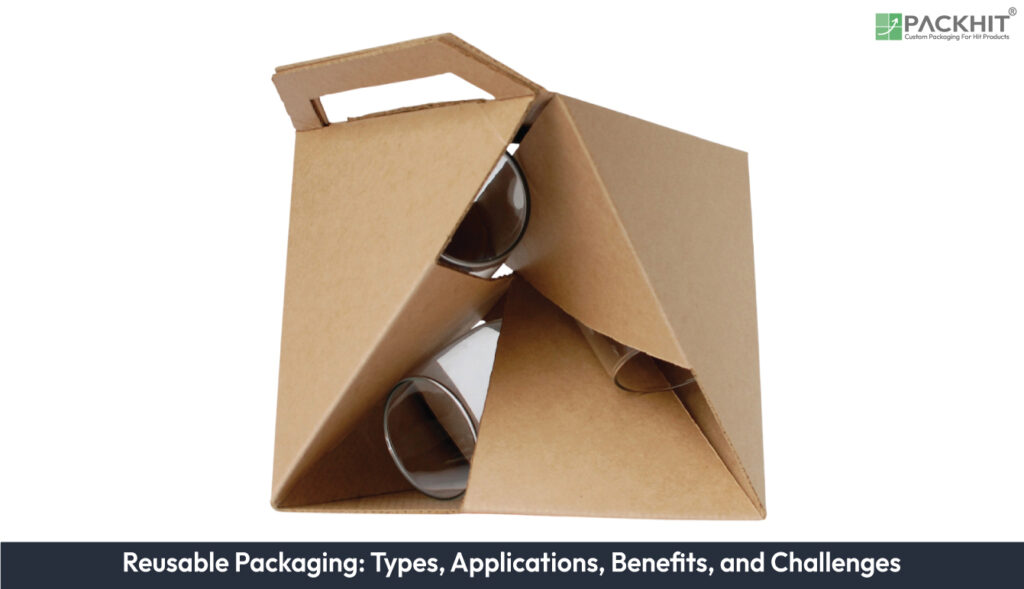
Reusable packaging refers to durable containers, crates, pallets, and materials designed for repeated use across supply chains, offering an eco-friendly alternative to single-use packaging. It plays a key role in reducing waste, conserving resources, and lowering carbon emissions, especially in industries like food, retail, healthcare, and logistics. These systems work through a closed-loop process involving collection, cleaning, inspection, and redistribution, often aided by RFID and tracking tech. Common types of reusable packaging include RPCs, reusable pallets, totes, heavy-duty bags, and reinforced paperboard, each tailored to specific industry needs. Implementation of reusable packaging faces challenges like high initial costs, complex logistics, hygiene compliance, and consumer awareness. Despite these hurdles, future trends point to greater adoption through smart technologies, regulatory support, and broader applications in sectors like e-commerce and healthcare.
- What is Reusable Packaging?
- Different Types of Reusable Packaging and Their Industry Applications
- 1. Reusable Plastic Containers and RPCs
- 2. Reusable Pallets and Skids
- 3. Shipping Totes and Nestable Bins
- 4. Reusable Bags and Heavy-Duty Sacks
- 5. Returnable Paperboard and Reinforced Paper Systems
- Benefits of Reusable Packaging
- Waste Prevention
- Cost Efficiency
- Waste Management Savings
- Operational Optimization
- Carbon Emission Reduction
- Resource Conservation
- Future Trends in Reusable Packaging
- What Challenges Do Businesses Face When Adopting Reusable Packaging?
What is Reusable Packaging?
Reusable packaging is defined as packaging designed to be used multiple times, extending its lifecycle and reducing the need for disposable alternatives. It is typically constructed from durable materials such as high-density polyethylene (HDPE), polypropylene, stainless steel, or treated cardboard, which are capable of withstanding repeated handling, cleaning, and transportation. Unlike single-use packaging, reusable packaging is integrated into systems that facilitate its return, inspection, and reuse, ensuring its functionality over extended periods.
How Does Reusable Packaging Complete a Full Reuse Cycle?
Reusable packaging systems function through a structured closed-loop process designed to maximize efficiency and sustainability. This process includes deployment, collection, cleaning, inspection, and redistribution, ensuring the packaging remains functional across multiple use cycles. Advanced tracking technologies, like RFID tags and QR codes, can play a pivotal role in monitoring the lifecycle of packaging, enhancing management efficiency, reducing losses, and supporting circular economy practices.
- Deployment and Collection: The lifecycle begins with the deployment of reusable packaging to end-users, such as manufacturers, retailers, or logistics providers. After fulfilling its purpose, the packaging is collected through reverse logistics systems that optimize transportation routes to reduce collection costs and environmental impact. These systems ensure the timely return of used packaging to processing facilities for further handling.
- Cleaning and Maintenance: Once collected, reusable packaging undergoes thorough cleaning and maintenance to preserve its durability and usability. Automated cleaning systems equipped with advanced sensors detect contamination and ensure hygienic handling, especially for industries with stringent safety requirements, such as food and healthcare. Regular maintenance further extends the lifecycle of the packaging.
- Inspection and Quality Assurance: Inspection processes assess the structural integrity of reusable packaging to identify damage or wear. Automated quality assurance systems typically use AI technologies to streamline inspections, ensuring that only fully functional packaging is redistributed for reuse. This step minimizes the risk of operational disruptions and maintains product safety.
- Redistribution and Tracking: After cleaning and inspection, reusable packaging is redistributed to users for subsequent applications. Tracking technologies, such as RFID or QR codes, facilitate real-time monitoring of packaging location, usage frequency, and condition. These tools enable businesses to optimize inventory management and prevent losses, ensuring seamless integration into supply chains.
Different Types of Reusable Packaging and Their Industry Applications
Reusable packaging comes in various forms, each suited to specific industries and supply chain needs. Below are five common types along with their typical uses:
1. Reusable Plastic Containers and RPCs
Reusable plastic containers can provide repeat transport for fresh produce, meat, dairy, and bulk components. Manufacturers use HDPE or polypropylene crates for stacked transport and automated handling. Examples include harvest crates for apples and RPCs for dairy trays. Companies run closed loops with cleaning stations and RFID tracking to lower per-use cost and reduce breakage.
2. Reusable Pallets and Skids
Reusable pallets help carry heavier loads in warehousing and cross-dock operations. Firms choose plastic or metal pallets for washability and consistent dimensions. Examples include plastic pallets for food lines and metal skids in automotive plants. Standardized pallet sizes reduce handling time and damage across forklifts and conveyors.
3. Shipping Totes and Nestable Bins
Shipping totes assist in streamlining order fulfillment in e-commerce and retail distribution centers. Totes often stack, nest, or fold to save space between cycles. Examples include stackable pick totes for online orders and collapsible totes for third-party logistics. Businesses route empty totes back through reverse logistics for inspection and reuse.
4. Reusable Bags and Heavy-Duty Sacks
Reusable bags facilitate transport of bulk goods and consumer purchases from the store to the home. Manufacturers select woven polypropylene, canvas, or coated fabrics for tensile strength and washability. Examples include reusable grocery bags for retail chains and bulk grain sacks in industrial supply. Labels and simple return points increase recovery rates.
5. Returnable Paperboard and Reinforced Paper Systems
Returnable paperboard systems can provide a lower-weight option for repeated parcel and display use. Producers use laminated or reinforced corrugated board and water-resistant treatments to extend cycle life. Examples include reinforced mailers for direct-to-consumer returns and reusable corrugated trays for packaged parts in light manufacturing. These solutions reduce fiber demand while fitting existing recycling streams when retired.
Benefits of Reusable Packaging
Reusable packaging provides benefits such as reduced waste, lower business costs, and supports the circular economy. Data from the U.S. Environmental Protection Agency (2018) indicates that containers and packaging accounted for 28.1% of municipal solid waste generation in the United States. This supports the case for more sustainable packaging approaches. By adopting reusable packaging, businesses can significantly lower their ecological footprint, reduce costs, and contribute to the circular economy by promoting material recovery and reuse.
Waste Prevention
The extended lifecycle of reusable packaging significantly helps prevent waste from entering municipal systems, alleviating pressure on waste management infrastructure. This reduction fosters cleaner environments and improves resource utilization efficiency across industries, promoting sustainable operational practices.
Cost Efficiency
Reusable packaging systems, despite requiring higher upfront investment, can be cost-efficient and deliver significant long-term savings. Businesses can amortize production costs over multiple usage cycles, reducing the overall cost per use compared to disposable packaging. Additionally, lower replacement rates due to durability further enhance cost-effectiveness.
Waste Management Savings
Reusable packaging helps to attain waste management savings by reducing waste disposal and recycling expenses. These systems divert materials from landfills and incinerators, significantly lowering environmental impact and operational costs. They foster a cleaner environment by promoting efficient resource utilization and reducing the volume of discarded packaging waste.
Operational Optimization
Reusable packaging systems help streamline logistics by preventing product damage during transportation. Features such as stackability and ergonomic designs enhance efficiency, reducing handling time and replacement expenses while ensuring smoother operations across supply chains.
Carbon Emission Reduction
Reusable packaging assists in reducing carbon emissions as compared to single-use alternatives. For instance, a life cycle assessment conducted by the Fraunhofer Institute for Building Physics, published in 2018, states that reusable plastic containers (RPCs) used in the food industry can help achieve up to a 60% reduction in carbon emissions, contributing to sustainable practices and climate change mitigation, but this benefit depends on high return rates and efficient transport networks.
Resource Conservation
Reusable packaging facilitates the conservation of resources by curbing demand for raw materials like paper, plastic, and metals. This conservation supports environmental sustainability while lowering production costs tied to material procurement.
Future Trends in Reusable Packaging
Future trends in reusable packaging include innovations such as smart packaging equipped with IoT sensors and blockchain-based tracking systems, which enhance the efficiency and transparency of reusable packaging systems. The regulatory frameworks promoting extended producer responsibility (EPR) are driving businesses to invest in sustainable packaging solutions.Reusable packaging is also expanding into new domains, including e-commerce, where durable mailers and shipping boxes are gaining traction. Similarly, industries such as healthcare and electronics are exploring reusable solutions to reduce waste and improve cost efficiency. Governments worldwide are implementing policies to encourage the use of reusable packaging.
What Challenges Do Businesses Face When Adopting Reusable Packaging?
The challenges involved in adopting reusable packaging are outlined below:
- Economic Barriers: Higher upfront capital for durable materials like HDPE crates and polypropylene totes, and for centralized cleaning equipment and tracking systems, raises initial project cost. Small and medium-sized enterprises face longer payback periods and tighter cash flow.
- Logistical Complexity: Programs require reverse logistics for collection, sorting, cleaning, inspection, and return. Coordinating these steps across multi-site or cross-border supply chains increases transit time and handling costs.
- Consumer Education: Low awareness of return procedures and incentives reduces return rates. Clear labeling, point of sale instructions, and simple return flows are necessary to recover units from end users.
- Hygiene and Safety: Food-grade and healthcare-grade reuse demand validated cleaning protocols, microbiological monitoring, and traceable recordkeeping. Added labor, water, and energy for sanitation increase the per-cycle operating cost.
- Scalability Limitations: Scaling requires processing capacity, transport frequency, and inventory buffers. Smaller operators face higher per-unit processing costs and limited access to shared cleaning infrastructure.
- Regulatory Compliance: Varying regional rules on material reuse traceability and safety require testing documentation and legal review. Compliance increases administrative burden and time to market.