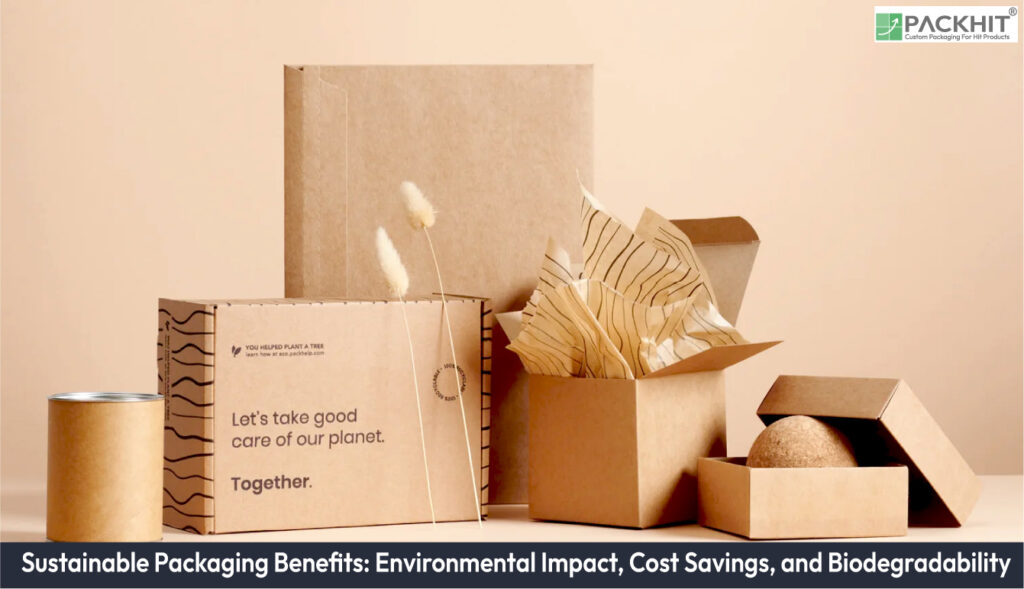
Sustainable packaging delivers numerous advantages, including reducing environmental impact through the use of recyclable and biodegradable materials, mitigating waste and pollution, and conserving resources by leveraging renewable inputs over non-renewable ones. It enhances cost efficiency by optimizing material usage, streamlining production processes, and lowering transportation expenses while aligning with regulatory standards to avoid penalties. Biodegradability plays a crucial role in reducing the long-term ecological footprint as materials decompose naturally, preventing harm to ecosystems. Sustainable packaging strengthens brand reputation by appealing to environmentally conscious consumers, differentiates products in competitive markets, and contributes to compliance with evolving environmental laws.
Conservation of Natural Resources
Sustainable packaging helps conserve natural resources by prioritizing renewable and recycled inputs. For instance, studies show that using one ton of recycled paper conserves approximately 17 trees and 7,000 gallons of water compared to making virgin paper. Similarly, plant-based materials like bamboo and sugarcane grow rapidly and require fewer resources, making them smart alternatives to traditional wood-based packaging.
Note: Based on 1996 US industry averages; actual savings vary significantly by mill efficiency, raw material source, and specific processing technology.
Lower Carbon Emissions
Lower emissions mean that sustainable packaging produces less carbon pollution because it uses fewer fossil fuels to make and ship items, which helps stop global warming and keeps the air clean. Less factory energy is used as factories use less power when they run on smarter, cleaner systems or need fewer raw materials. Fewer dirty fuels are used because burning less coal, oil, or gas directly lowers the amount of smoke and greenhouse gases pumped into the sky. Materials are used smartly because using recycled or local parts means workers do not waste energy digging up new materials from the earth.
Reduction in Waste Materials
Sustainable packaging minimizes waste through design innovations such as modular packaging, which reduces excess material, and mono-material construction, which helps simplify recycling. Compostable materials, such as PLA and paper-based laminates, can further reduce landfill dependency by breaking down into organic matter under industrial composting conditions. These mechanisms align with global waste reduction goals, such as the European Union’s directive to achieve 55% recycling of plastic packaging by 2030. A regulatory mandate subject to member state implementation and current plastic recycling infrastructure capabilities.
Low Weight During Shipment
Materials used in sustainable packaging are thin and lightweight; they reduce shipping and fuel costs by cutting total cargo mass, which helps to decrease the energy needed for transport. Lighter packages can also fit more items per vehicle load, reducing the total number of trips required. It helps lower freight rates as less weight directly drops per-shipment carrier fees. It can provide higher space efficiency because more units can fit in trucks and shipping containers. Less fuel is burned as vehicles use less energy to move lighter loads. It may also result in fewer total trips as high-density packing reduces the total number of delivery runs. This also means
Minimized Material Usage
Minimum materials are used in sustainable packaging, which means designing packages with the smallest amount of resources possible, which directly lowers supply purchasing expenses and minimizes transport costs. Material costs are low because buying less raw material, paper, or plastic saves money on every single unit you produce. Shipping costs are cheaper as lighter and smaller packages take up less space, meaning you pay less fuel and freight fees to move them. Using fewer resources leaves less trash behind, which cuts down on disposal and recycling costs for your business.
Higher Sales and Cost Savings
Sustainable packaging saves costs and boosts marketability by cutting material waste, lowering shipping expenses, and attracting eco-conscious buyers. According to a Nielsen survey held in 2019, 73% of global consumers are willing to pay more for sustainable goods. Highlighting a clear sustainability story on the package builds emotional connection and trust, driving repeat purchases. Major distributors and retail channels favor suppliers with strong environmental scorecards, opening access to wider wholesale markets. This shift in consumer preference translates into increased sales and cost savings, as eco-friendly packaging serves as a differentiator in competitive markets. Early compliance with strict global environmental laws also helps prevent heavy fines, eco-taxes, and costly emergency redesigns.
Efficient Operations
Advanced manufacturing techniques like digital printing support sustainable packaging by reducing waste, enabling on-demand production, and lowering inventory costs. Eliminating printing plates and excess ink setup lowers hazardous waste and raw material loss. With exact print quantities needed, this stops the overproduction of short-lived or seasonal packaging designs. It also removes the need to store large bulk orders, reducing warehouse space and energy used. Substrates are also used efficiently as they adapt easily to eco-friendly, recycled, or lightweight paper and film materials without lengthy machinery adjustments.
Data above is based on 2019 self-reported sentiment; actual purchasing behavior varies significantly by regional economic conditions, product category, and price sensitivity.
Biodegradability
Sustainable packaging is biodegradable materials that safely return to the earth as organic matter without leaving harmful chemical residues. This process supports a circular economy by eliminating persistent waste and safely reintegrating packaging into natural biological cycles. It leaves no synthetic polymers or heavy metals in soil or water, promoting zero toxicity. Enriches the soil safely as it decomposes into humus or biomass. Lowers long-term ecological risks if items accidentally end up in nature. Unlike conventional plastics, which fragment into microplastics that harm our ecosystem, this contributes to healthier soil and water systems, supporting biodiversity and reducing the ecological footprint of packaging waste.
Note: Factors such as temperature, humidity, and microbial presence influence the rate of decomposition. For instance, industrial composting facilities provide optimal conditions for rapid biodegradation and can help achieve complete decomposition within 90 to 180 days for materials like PLA, compared to under controlled industrial composting conditions. Results may vary based on material thickness, specific PLA formulation, and the operational consistency of the composting facility.
Limitations of Sustainable Packaging
Despite its benefits, sustainable packaging faces challenges, such as higher initial costs, limited material availability, and the need for infrastructure to support recycling and composting. Addressing these challenges requires investment in research and development to create cost-effective materials and scalable production methods.
Future Directions: The development of advanced biopolymers, increased adoption of circular economy practices, and global standardization of sustainability metrics to drive widespread adoption. For manufacturers, integrating sustainable packaging is not merely an environmental imperative but also a strategic opportunity to align with regulatory trends, consumer expectations, and long-term cost efficiencies. By adopting sustainable practices, businesses can contribute to a more resilient and environmentally conscious packaging industry.