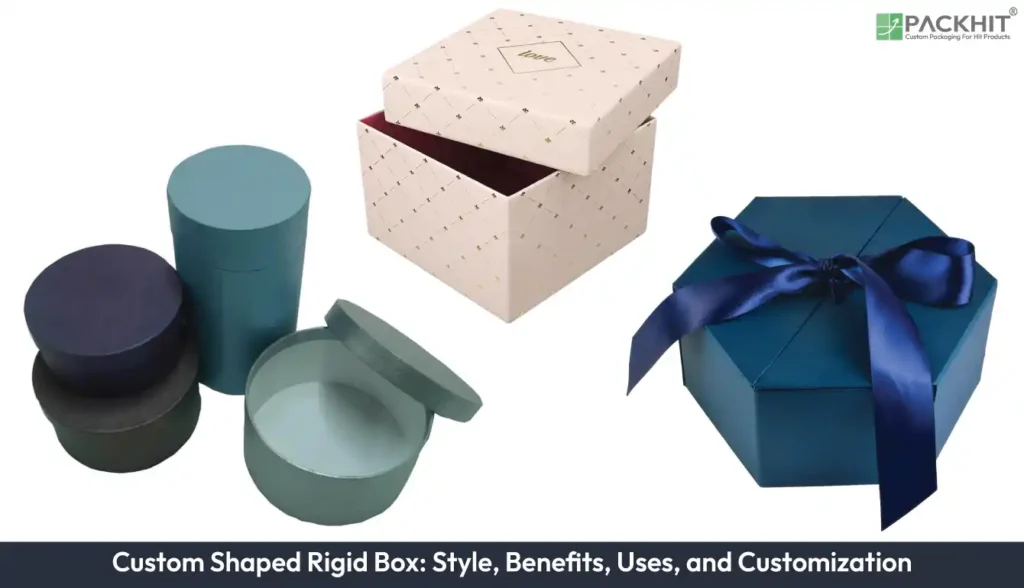
Custom-shaped rigid boxes are premium packaging solutions that combine structural support, tailored design, and visual appeal. Made from rigid materials such as chipboard or paperboard, they can be produced in specific dimensions and distinctive forms, including hexagonal, cylindrical, and asymmetrical shapes. When board thickness, construction, inserts, and handling conditions suit the product, these boxes can help protect high-value, fragile, or presentation-focused items. Customization options such as embossing, foil stamping, UV coating, and laminations can reinforce branding and enhance shelf presence. Reusable constructions and carefully selected materials may also support sustainability goals, depending on the complete box design and local recycling systems.
- What Defines a Custom Shaped Rigid Box?
- Box Styles Available in Custom-Shaped Rigid Boxes
- Two-Piece Boxes
- Magnetic Closure Boxes
- Slide or Drawer Boxes
- Book-Style Boxes
- Windowed Boxes
- Unique Geometric Shapes
- Benefits of Custom Shaped Rigid Boxes
- Functional Advantages of Custom-Shaped Rigid Boxes
- Aesthetic Advantages of Custom Shaped Rigid Boxes
- Economic Advantages of Custom Shaped Rigid Boxes
- How are Custom-Shaped Rigid Boxes Used Across Industries?
- How are Custom Shaped Rigid Boxes Customized?
- Factors Influencing the Design of Custom-Shaped Rigid Boxes
- Common Limitations and Failure Modes of Custom Shaped Rigid Boxes
- How Do Custom-Shaped Rigid Boxes Compare to Other Packaging Types?
- Which Custom-Shaped Rigid Box Style Fits Which Use?
What Defines a Custom Shaped Rigid Box?
A custom-shaped rigid box is a packaging solution constructed from rigid materials, typically chipboard or paperboard, and designed to meet specific dimensional and aesthetic requirements. The term “custom-shaped” refers to the ability to create non-standard geometries, such as hexagonal, cylindrical, or asymmetrical forms, tailored to the product’s shape or branding needs. These boxes are distinguished by their durability, which is achieved through the use of dense materials that can resist deformation and help protect the product, depending on board thickness, construction, product weight, and handling conditions for the enclosed items.
Box Styles Available in Custom-Shaped Rigid Boxes
Custom-shaped rigid boxes are available in diverse styles designed to cater to specific product and branding needs. Each style changes access and closure/security behavior, so selection depends on how the product must be handled (setup, opening, and protection) for packaging solutions. Below are some of the most common styles:
Two-Piece Boxes
Two-piece boxes feature a separate lid and base, offering a timeless design that balances simplicity and elegance. Commonly used for luxury products such as jewelry, cosmetics, and gift items, this style enhances the unboxing experience. The separate components allow for intricate decorative finishes, such as embossing or foil stamping, which further elevate the product’s premium appeal.
Magnetic Closure Boxes
Magnetic closure boxes are designed with an integrated magnetic latch and can ensure secure storage and effortless opening and closing. Frequently used for high-end electronics, corporate gifts, and luxury accessories, these boxes exude sophistication. Their clean lines and sturdy construction make them ideal for products requiring both protection and a touch of exclusivity.
Slide or Drawer Boxes
Slide or drawer boxes incorporate a sliding mechanism that combines functionality with a sleek aesthetic. This design is particularly popular for packaging perfumes, stationery, and tech gadgets. The sliding feature provides easy access to the product while maintaining a modern, upscale appearance that aligns with premium branding.
Book-Style Boxes
Book-style boxes mimic the appearance of a hardcover book, making them an attractive choice for premium items like wine bottles, collector’s editions, and commemorative sets. With a hinged opening mechanism, these boxes offer both practicality and a unique presentation style. Their expansive surface area is perfect for detailed graphics and storytelling elements that enhance brand identity.
Windowed Boxes
Windowed boxes incorporate transparent panels, often made of plastic or other clear materials, allowing consumers to view the product inside without opening the packaging. This style is especially effective for food packaging, display items, and retail environments where visual appeal drives purchasing decisions. The inclusion of windows not only highlights the product but also reinforces trust by showcasing its quality.
Unique Geometric Shapes
Custom rigid boxes can be crafted in unique geometric shapes, such as hexagonal, cylindrical, or asymmetrical designs. These non-standard shapes are ideal for products like gourmet foods, designer apparel, or innovative gadgets, creating a distinct visual impact. By deviating from traditional box shapes, brands can capture consumer attention and leave a lasting impression in competitive markets
Each of these styles combines durability with customization potential, ensuring that manufacturers can align packaging design with their product’s unique requirements and market positioning.
Benefits of Custom Shaped Rigid Boxes
The benefits of custom-shaped rigid boxes are classified into three categories: functional, aesthetic, and economic advantages, as outlined below.
Functional Advantages of Custom-Shaped Rigid Boxes
Custom-shaped rigid boxes can help protect products from physical damage when the material, structure, fit, and inserts are appropriate for the product, and protect against moisture and environmental factors. Their durable construction can protect products during storage and transit, depending on the box design and expected handling conditions, making them ideal for high-value or fragile products. Additionally, their structural rigidity may support heavier items when board thickness, internal supports, and box dimensions are specified accordingly. Where specific transit performance is required, prototype or transport testing may be needed.
Aesthetic Advantages of Custom Shaped Rigid Boxes
The design flexibility of custom-shaped rigid boxes allows manufacturers to create visually striking packaging that enhances brand identity and appeals to target consumers. Custom features such as embossing, foil stamping, and UV coating elevate their visual appeal, while unique shapes and finishes help products stand out on retail shelves. These aesthetic attributes make rigid boxes often chosen for luxury and premium product packaging.
Economic Advantages of Custom Shaped Rigid Boxes
From an economic perspective, custom-shaped rigid boxes may offer cost advantages in applications where durability, presentation, or reuse justify the higher construction cost. Reuse may reduce replacement needs in some applications, depending on handling and box condition. Their reusability may support material-reduction goals when the box is actually reused. For high-value items, these boxes not only protect the product but also provide a dual benefit of functionality and marketing impact.
How are Custom-Shaped Rigid Boxes Used Across Industries?
Custom-shaped rigid boxes are used in multiple industries:
- Retail Industry: Custom-shaped rigid boxes are widely used to package high-value items such as jewelry, watches, and designer apparel. These boxes enhance the perceived value of the product, making them ideal for luxury goods.
- Electronics: Rigid boxes protect delicate electronic components during transportation and storage. Their sturdy construction ensures the safety of items like gadgets, accessories, and sensitive devices.
- Cosmetics and Beauty Products: Brands use custom-shaped rigid boxes to create visually appealing packaging for perfumes, skincare products, and makeup kits. These boxes help establish a premium image and attract customers.
- Food Packaging: Confectionery items, gourmet products, and gift sets often come in custom-shaped rigid boxes. These boxes enhance presentation and are particularly effective for seasonal or promotional packaging, such as holiday gift boxes or limited-edition products.
How are Custom Shaped Rigid Boxes Customized?
The customization process for custom-shaped rigid boxes involves several stages, including material selection, structural design, and surface finishing. Manufacturers begin by choosing rigid materials such as chipboard or paperboard based on the required strength and thickness. Structural design involves creating die-cut templates that define the box’s shape, dimensions, and assembly method, ensuring compatibility with the product’s specifications.
Surface finishing options include printing, laminating, and coating techniques that enhance the box’s appearance and functionality. Printing methods such as offset or digital printing allow for high-resolution graphics and branding elements, while laminates provide additional protection against wear and tear. Coating options, such as matte or gloss finishes, further refine the box’s aesthetic qualities. Advanced customization features, such as magnetic closures, ribbon handles, and transparent windows, add functional and decorative value. Transparent windows are used when product visibility is important for retail or display packaging while still keeping the product enclosed.
Factors Influencing the Design of Custom-Shaped Rigid Boxes
The factors that influence the design of custom-shaped rigid boxes are given below:
- Product Dimensions: The size and shape of the product influence the box’s design to ensure a precise fit, minimizing internal movement and potential damage during handling or transit. Match the internal cavity closely to the product; fragile or irregular items may need fitted inserts to prevent movement.
- Target Audience Preferences: Consumer preferences, including favored color palettes, material choices, and design trends, guide the aesthetic elements of the box to enhance its appeal and align with market demands. Premium products may favor textured papers, foil, or soft-touch finishes, while retail-focused packaging may prioritize visibility and easy opening.
- Branding Requirements: Elements such as logos, taglines, and brand-specific colors reinforce the brand identity and create a cohesive visual representation that resonates with consumers. Use embossing, foil, or spot UV when stronger logo emphasis is needed, but avoid excessive finishing where recyclability is a priority.
- Environmental Considerations: Sustainability goals can influence the use of recyclable rigid board, recycled-content paper wraps, and lower-impact inks or coatings. These choices can improve recyclability or reduce material impact, depending on the full box construction and local recycling systems.
Common Limitations and Failure Modes of Custom Shaped Rigid Boxes
Custom-shaped rigid boxes fail most often from poor dieline accuracy, weak corner construction, moisture-related board warping, and shipping loads that exceed the box’s compression strength, leading to crushed corners, seam splits, and misfit inserts.
- Deformation: Heavy loads or stacking can crush or warp the box; use thicker board or reinforcement where needed.
- Product movement: Poorly fitted inserts can allow shifting and damage; use secure cavities or partitions.
- Moisture: Prolonged humidity or water exposure can weaken, warp, or delaminate paperboard-based rigid boxes.
- Closure issues: Magnets, sleeves, or lids may fail if tolerances are poor or the product is too heavy.
- Transit risk: Rigid boxes may still need protective outer packaging for drops, vibration, or high compression loads.
- Testing: Prototype and test designs for heavy, fragile, high-value, or unusually shaped products.
How Do Custom-Shaped Rigid Boxes Compare to Other Packaging Types?
Custom-shaped rigid boxes generally provide greater structural rigidity than lightweight folding cartons and allow more complex shapes and presentation-focused finishes. Folding cartons, made from lightweight paperboard, are generally less durable than rigid boxes for heavy, fragile, or transit-sensitive products. Corrugated boxes may be more suitable where shipping efficiency, compression strength, and cost are the main priorities. They are strong and cost-effective for shipping but typically offer less premium presentation than rigid boxes for luxury retail, gifting, or display-focused packaging.
Rigid boxes are often chosen when presentation, custom geometry, and fitted product support are important. The best option depends on product weight, fragility, shipping conditions, storage needs, budget, and finish requirements.
Which Custom-Shaped Rigid Box Style Fits Which Use?
Match a rigid box style to the product’s shape, weight, and protection needs by using fitted custom cavities for secure inserts, sleeve-and-lid formats for easy access, and corner-supported constructions for heavier items.
- Two-Piece: Best for jewelry, cosmetics, and gifts where simple presentation and easy lid removal matter.
- Magnetic Closure: Suits premium electronics, corporate gifts, and accessories that benefit from a secure, reusable closure.
- Slide/Drawer: Useful for perfumes, stationery, and gadgets where controlled access and product presentation are priorities.
- Book-Style: Works well for collector sets, bottles, and presentation kits that need a hinged opening and larger branding surface.
- Windowed: Choose when product visibility is important at retail; consider the window material’s effect on recyclability.
- Geometric Shapes: Best when distinctive shelf presence matters, but non-standard shapes may increase tooling, storage, and shipping costs.