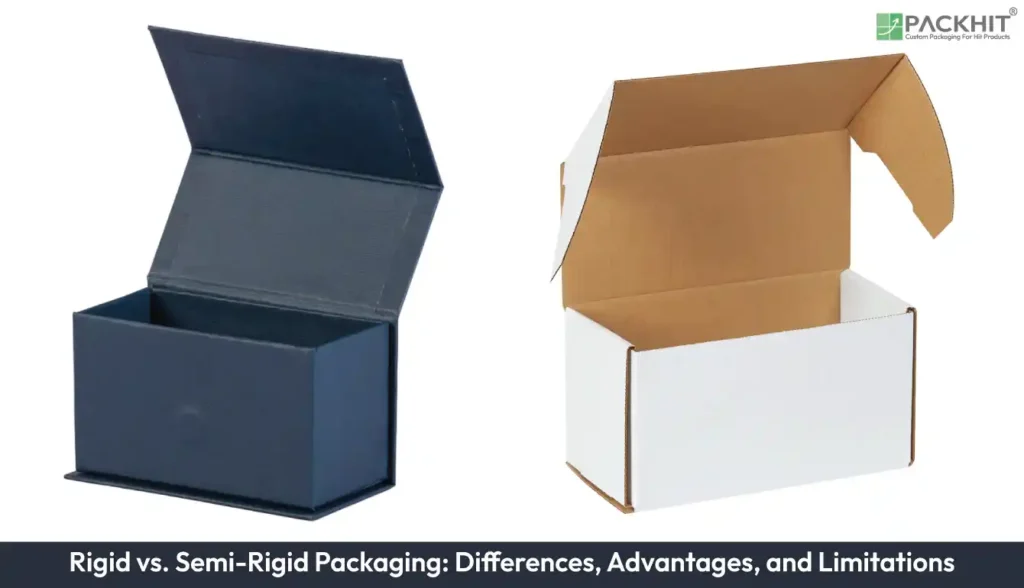
Rigid and semi-rigid packaging represent two distinct categories of packaging solutions, each defined by its structural integrity, material composition, and functional applications. Rigid packaging maintains a fixed shape, offering high structural integrity and durability with materials like glass, metal, and high-density plastics, making it ideal for protecting high-value or fragile products. Its advantages include excellent barrier properties, premium aesthetics, and recyclability, though it comes with drawbacks such as high production costs, weight, and storage inefficiency. Semi-rigid packaging balances structural support and flexibility, using materials like thermoformed plastics and laminated paperboard to provide lightweight, cost-effective, and customizable solutions suitable for food, personal care, and medical applications. While semi-rigid packaging is versatile, its limitations include reduced impact resistance, the need for additional barrier layers, and environmental concerns due to mixed-material compositions. Comparing these two types, rigid packaging excels in protection and presentation for luxury or high-value items, whereas semi-rigid packaging offers adaptability and cost efficiency for lightweight, disposable products, allowing manufacturers to choose based on their product needs, operational priorities, and sustainability goals.
What is Rigid Packaging?
Rigid packaging is defined as a solution that maintains a fixed shape and exhibits minimal flexibility under external forces. Common materials used in rigid packaging include glass, metal, and high-density plastics, as well as paperboard in the case of rigid boxes. The defining characteristic of rigid packaging is its structural integrity, which ensures that the packaging does not deform or collapse during handling, storage, or transportation.
What is Semi-Rigid Packaging?
Semi-rigid packaging occupies a middle ground between rigid and flexible packaging, offering partial structural support while retaining some degree of flexibility. Materials commonly used in semi-rigid packaging include thermoformed plastics, laminated paperboard, and aluminum foil composites. This type of packaging is designed to provide a balance between protection, adaptability, and cost-effectiveness.
Difference Between Rigid and Semi-Rigid Packaging
The difference between rigid and semi-rigid packaging is significant in terms of material strength, cost, flexibility, and environmental impact.
Material Strength
Rigid Packaging can provide high material strength and durability, ideal for fragile or high-value products. Common examples include glass bottles, metal cans, and heavy-duty plastic containers that prevent crushing during transit. Semi-rigid packaging can provide moderate structural support with resilience under pressure, suitable for lightweight applications. This includes items like plastic milk jugs, squeeze bottles, and thermoformed trays that hold their shape but yield slightly when pressed.
Cost
Rigid packaging usually has a higher initial cost because processing raw metals and glass requires intense heat and specialized manufacturing plants. Their fixed shapes cannot be collapsed, meaning you pay to ship empty air during transit to the filling facility. Heavy materials like glass can significantly increase freight weights, driving up fuel use and logistics costs. Creating molds for structured metal or thick plastic containers requires high upfront engineering investments. Semi-rigid packaging offers a middle ground for budgets, reducing expenses through lighter materials that cost less to ship and manufacture. Because these containers are lighter and often stackable or nestable, they drastically lower distribution and warehousing costs.
Flexibility
Rigid packaging has a fixed shape with minimal flexibility, ensuring consistent dimensions and presentation. This structural integrity offers maximum protection against crushing, impact, and external pressure during transit. Semi-rigid packaging can provide partial flexibility, allowing adaptability to product shapes while maintaining structural support. This allows users to squeeze or flex the container to dispense the product easily, after which the package typically returns to its original form.
Environmental Impact
Rigid packaging is highly sustainable because materials like aluminum, steel, and glass can be recycled infinitely without losing their quality. Manufacturing products from recycled aluminum or glass uses significantly less energy than producing them from raw materials. The high market value of scrap metal and glass incentivizes local recycling programs to consistently collect and process them. On the other hand, semi-rigid packaging often uses multi-layered materials that require specialized facilities to separate, meaning they more frequently end up in landfills. When these materials are recycled, they are usually turned into lower-quality products, like plastic lumber, rather than new packaging.
By comparing these characteristics, manufacturers can identify the packaging type that best aligns with their product requirements, operational priorities, and sustainability goals.
Advantages and Limitations of Rigid vs. Semi-Rigid Packaging
Advantages and limitations of rigid v. semi-rigid packaging are discussed in detail below:
| Feature | Rigid Packaging | Semi-Rigid Packaging |
| Advantages | Durability: Provides superior protection against impact and physical damage. Premium Aesthetic: Delivers a high-end look and feel ideal for luxury goods.High Recyclability: Uses materials like glass and metal that are easily recycled.Enhanced Security: Hard forms allow for secure closures, child-resistant lids, and tamper-evident seals. | Cost-Effectiveness: Lowers material and production expenses.Versatility: Adapts well across a wide range of products and applications. Space Efficiency: Features stackable designs that optimize storage and transport.Convenient Handling: Maintains structural shape for easy stacking and automated line handling while allowing minor give or controlled collapse during use. |
| Limitations | High Cost: Generates higher manufacturing and material expenses.Storage Inefficiency: Takes up more warehouse volume due to fixed, non-collapsible shapes. Excess Weight: Adds shipping costs due to heavier tare weight.Fragility and Dent Risks: While strong against crushing, rigid items like glass or hard plastics can crack, shatter, or show noticeable dents and scratches upon rough handling. | Reduced Protection: Offers lower resistance to compression and blunt impact.Limited Barrier Properties: Often requires extra coatings or laminate layers for adequate barrier performance.Environmental Challenges: Complicates recycling due to multi-material compositions.Deformation Risk: Bends, indents, or collapses under high external pressure or impact, offering less crush protection. |
By carefully assessing these advantages and limitations, manufacturers can select the optimal packaging strategy to balance protection, cost, and sustainability for their specific needs.
Applications of Rigid Packaging and Semi-Rigid Packaging
Rigid and semi-rigid packaging are used across diverse application domains because they offer an excellent combination of durability, versatility, recyclability, and space efficiency.
Rigid Packaging Applications
Rigid packaging keeps its shape and does not bend easily. It offers strong protection against crushing, light, and air.
- Food and Beverages: Glass jars hold jams, sauces, and pickles. Metal cans store drinks and soups.
- Pharmaceuticals: Hard plastic bottles and glass vials protect pills and liquid medicines from damage.
- Cosmetics: Thick plastic or glass jars hold creams, lotions, and perfumes safely.
- Electronics: Hard plastic cases protect small parts, memory cards, and delicate electronic devices.
Semi-Rigid Packaging Applications
Semi-rigid packaging holds a basic shape but can flex slightly under pressure. It mixes strong structure with a light weight.
- Dairy Products: Plastic yogurt cups and sour cream tubs hold dairy safely.
- Ready-Meals: Lightweight plastic trays hold microwave meals and take-away food.
- Personal Care: Squeezed tubes hold toothpaste, lotion, and face wash.
- Medical Uses: Blister packs hold pills securely while letting users pop them out one by one.
How to Choose Between Rigid vs. Semi-Rigid Packaging?
To choose between rigid and semi-rigid packaging, weigh the needs for product protection, shipping costs, and sustainability. Rigid packaging uses hard materials like glass or metal to give fragile items maximum protection and a high-end look, though it adds weight and high shipping fees despite stacking well. In contrast, semi-rigid packaging uses flexible materials like thin plastic or heavy paperboard to guard lower-risk items like apparel or dry foods against dust at a lower cost, saving space with its lightweight design that cuts transport expenses and manufacturing waste.