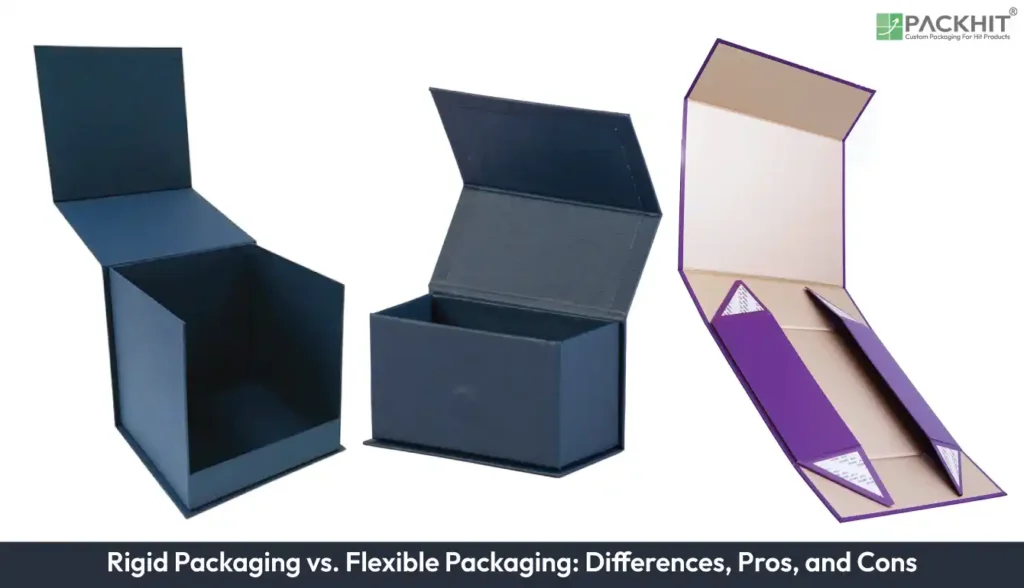
Rigid and flexible packaging are two essential approaches to product containment, each offering distinct advantages and applications. Rigid packaging, made from durable materials such as cardboard, glass, or molded pulp, provides strong structural integrity, making it ideal for products requiring robust protection and premium presentation. Flexible packaging, constructed from lightweight, pliable materials such as plastic films, paper, or laminates, is preferred for its adaptability, cost-effectiveness, and space-saving properties. While rigid packaging excels in durability and branding opportunities, it often involves higher material usage and increased weight. Conversely, flexible packaging supports sustainability by reducing material consumption but faces challenges such as limited protection and recyclability. Manufacturers can choose between these options based on product needs, industry requirements, and environmental goals, ensuring the selected packaging aligns with functionality, branding, and sustainability objectives.
- What is Rigid Packaging?
- What is Flexible Packaging?
- Differences Between Rigid Packaging and Flexible Packaging
- What are the Advantages of Rigid Packaging?
- What are the Disadvantages of Rigid Packaging?
- What are the Advantages of Flexible Packaging?
- What are the Disadvantages of Flexible Packaging?
- How to Choose Between Rigid and Flexible Packaging?
- Which Packaging Type is Better for Paper-Based Solutions?
What is Rigid Packaging?
Rigid packaging refers to packaging made from structurally firm materials such as cardboard, molded pulp, metal, glass, or hard plastics. It is designed to maintain a fixed shape, which helps prevent product shifting during storage and transit, especially for fragile or high-value items. This structural stability ensures robust protection, making it ideal for items requiring high durability. Rigid packaging also serves as a premium branding tool, offering customizable surfaces for high-quality printing and embossing.
What is Flexible Packaging?
Flexible packaging is a versatile form of product containment created using lightweight, pliable materials such as paper, plastic films, aluminum foil, or laminates. Designed to adapt to the shape of the product, it minimizes material use while offering portability and convenience. Its flexibility comes from pliable film, paper, or foil structures, and sealing or lamination choices, like heat sealing, affect both barrier performance and how easy recyclability is in practice. Manufacturers favor flexible packaging for its cost efficiency, space-saving properties, and ability to enhance consumer convenience.
Differences Between Rigid Packaging and Flexible Packaging
Rigid packaging and flexible packaging differ in terms of material composition, structural properties, and their applications across manufacturing and retail industries. Below is a detailed breakdown of these differences:
Material Composition
Rigid packaging has material compositions such as cardboard, molded pulp, glass, metal, or hard plastics. These materials provide a fixed, inflexible structure that resists deformation, offering high durability. The manufacturing processes, such as die-cutting or molding, ensure the packaging maintains its shape under various environmental and physical stresses. This makes rigid packaging ideal for products requiring robust protection.
Structural Integrity
Flexible packaging, in contrast, has lightweight structural integrity materials like paper, plastic films, aluminum foil, or laminates. These materials are engineered for pliability, allowing the packaging to conform to the shape of the product it contains. Processes like lamination and heat sealing enhance the flexibility and adaptability of these materials, making them suitable for diverse uses.
Applications Across Industries
Rigid packaging is commonly used across industries where product protection and brand presentation are critical. Examples include electronics, luxury goods, and food products requiring tamper-proof containers. Its rigid structure and premium appearance make it an excellent choice for high-end retail markets, allowing manufacturers to print detailed logos and branding elements on the surface.
Flexible packaging, on the other hand, excels in applications where lightweight and space-efficient solutions are prioritized. Industries such as food and beverage, pharmaceuticals, and personal care frequently use flexible packaging for its portability and convenience. Its ability to minimize material usage and provide resealable options makes it particularly appealing for single-use or consumer-focused products.
Sustainability
Sustainability is a critical consideration for manufacturers when choosing between rigid and flexible packaging. Rigid packaging, while durable, is often highly recyclable due to the use of distinct mono-materials like paperboard, glass, or metal. It may require significant raw material input and energy during production. Flexible packaging uses fewer materials and generates less waste, but its recyclability is often limited because multi-layer laminates and mixed materials are inherently difficult to separate. Manufacturers should therefore assess whether their target recovery streams are equipped to process these materials or if mono-material alternatives are necessary to meet their sustainability targets. Manufacturers must weigh these factors based on their environmental goals and the lifecycle impact of their packaging choices.
The following table provides a concise comparison between rigid and flexible packaging across key operational areas.
| Category | Rigid Packaging | Flexible Packaging |
|---|---|---|
| Material Composition | Cardboard, molded pulp, glass, metal, or hard plastics. | Lightweight materials like paper, plastic films, aluminum foil, or laminates. |
| Structural Integrity | Fixed, inflexible structure that resists deformation and offers high durability. | Pliable and engineered to conform to the shape of the product. |
| Applications Across Industries | Electronics, luxury goods, and food products requiring tamper-proof containers or premium presentation. | Food and beverage, pharmaceuticals, and personal care; prioritized for portability and convenience. |
| Sustainability | Often highly recyclable (mono-materials) but requires significant raw material and energy for production. | Uses fewer materials and generates less waste, but recyclability is limited due to multi-layer laminates. |
When selecting between these options, manufacturers should evaluate specific product requirements alongside sustainability goals to make an informed decision.
What are the Advantages of Rigid Packaging?
The key advantages of rigid packaging are given below:
- Durability: Rigid packaging provides exceptional protection against physical impacts, compression, and environmental factors such as moisture, temperature fluctuations, and light exposure. This durability ensures that products remain intact and secure during shipping and storage, providing long-term protection for items requiring enhanced safety. For example, glass containers used for food products or molded pulp boxes for electronics are designed to withstand external pressures, reducing the risk of damage.
- Product Stability: The fixed structure of rigid packaging ensures that the items it contains remain securely positioned, minimizing movement and potential damage during transit. This stability is particularly beneficial for fragile products, such as ceramics or luxury goods, where even slight displacement could result in breakage. Additionally, rigid packaging often includes inserts or compartments that further enhance product security by immobilizing individual components within the package.
- Enhanced Branding: Rigid packaging offers a solid and customizable surface suitable for high-quality printing, embossing, and design elements. This makes it a strategic choice for premium product presentation, allowing manufacturers to emphasize their brand identity with intricate logos, vibrant colors, and textured finishes. For instance, luxury watch boxes often feature embossed branding and metallic accents to enhance visual appeal, effectively attracting consumer attention in competitive retail environments.
- Luxury Finish: Many rigid packaging designs integrate premium materials and finishes, such as glossy coatings, metallic foils, or textured surfaces, to create a sophisticated and tactile experience. These elements elevate the perception of the product, making rigid packaging the preferred choice for high-end markets, including cosmetics, jewelry, and specialty foods. For example, a perfume packaged in a rigid box with a velvet-lined interior not only protects the product but also reinforces its luxury image.
What are the Disadvantages of Rigid Packaging?
Rigid packaging, while offering exceptional durability and product protection, also comes with certain limitations. Below is a detailed analysis of its disadvantages:
- Higher Material Usage: Rigid packaging typically demands a considerable volume of raw materials, such as cardboard, molded pulp, or hard plastics. This high material consumption results in increased production costs and a larger environmental footprint compared to flexible alternatives. For instance, manufacturing corrugated boxes or molded pulp containers involves significant resource utilization, which can contribute to deforestation and higher carbon emissions during production.
- Increased Weight: The use of denser materials in rigid packaging leads to greater weight, which directly impacts shipping and handling costs. Bulk transportation becomes less economical as heavier shipments require more fuel and energy. For example, glass jars used for beverages add substantial shipping weight compared to lightweight plastic pouches, making logistics less efficient for certain products.
- Space Constraints: Rigid packaging’s fixed and bulky structure occupies more space during storage and transportation. This inefficiency can lead to higher warehousing costs and reduced load capacity. For manufacturers or retailers operating with limited storage, managing inventory becomes challenging when accommodating rigid packaging formats like corrugated boxes or clamshells.
- Limited Flexibility: Rigid packaging lacks adaptability for irregularly shaped items, often resulting in underutilized internal space and increased bulk. This inflexibility makes it unsuitable for products requiring custom-fit solutions, such as uniquely shaped consumer electronics or certain food items. The inability to conform to product dimensions can also lead to additional costs for custom inserts or padding.
- Environmental Impact: The environmental footprint of rigid packaging is significant due to its energy-intensive manufacturing processes and extensive resource requirements. While materials like cardboard and glass are recyclable, the associated production emissions and waste generation remain higher than flexible packaging alternatives. Additionally, improper disposal of rigid materials, such as non-biodegradable plastics, can contribute to long-term ecological harm.
What are the Advantages of Flexible Packaging?
The advantages of flexible packaging are mentioned below
- Material Efficiency: Flexible packaging is engineered to minimize material usage without compromising functionality. Compared to rigid packaging, it uses significantly fewer raw materials like plastic films, paper, or laminates. This reduction not only lowers production costs but also decreases energy consumption and waste during manufacturing. For instance, flexible pouches for food products often require 60-70% less material than their rigid counterparts, contributing to a more sustainable lifecycle.
- Lightweight Design: The lightweight properties of flexible packaging make it a practical solution for both manufacturers and consumers. It reduces shipping costs by lowering the overall weight of transported goods while enhancing portability and convenience for end-users. For example, single-serve snack bags or resealable pouches weigh substantially less than rigid jars or boxes, leading to fuel savings during distribution and easier handling for consumers.
- Space Optimization: Flexible packaging is designed for optimal use of space, both during storage and transportation. Its ability to compress, fold, or stack efficiently allows manufacturers to maximize storage capacity and reduce transportation costs. For example, flat-packed flexible pouches take up far less space in warehouses compared to rigid containers, enabling higher volume handling and improved logistics efficiency.
- Eco-Friendly Potential: Flexible packaging offers substantial eco-friendly advantages, particularly when incorporating biodegradable, compostable, or recyclable materials. Innovations such as plant-based films or mono-material structures improve recyclability and align with growing consumer demand for sustainable packaging. For example, some flexible packaging solutions now use 100% recyclable polyethylene, ensuring lower environmental impact while maintaining product integrity.
What are the Disadvantages of Flexible Packaging?
Flexible packaging, while offering numerous benefits, also has notable disadvantages that manufacturers should consider. Below is a detailed list of the disadvantages of flexible packaging:
- Limited Protection: Flexible packaging offers reduced resistance to physical damage and environmental factors when compared to rigid packaging. Its pliable structure is susceptible to punctures, tears, or deformation during transportation and handling, which can compromise the integrity of the product inside. For instance, sharp or irregularly shaped items can easily damage thin plastic films, potentially leading to product contamination or spillage.
- Branding Limitations: Although flexible packaging allows for surface printing, it often lacks the premium aesthetic appeal and durability of rigid packaging. For high-end products, the pliable surface may not support intricate designs, embossing, or other branding elements that enhance luxury perception. This makes it less suitable for products targeting upscale markets, where visual impact and material quality are critical.
- Recyclability Challenges: Many flexible packaging materials are made from multi-layer laminates that combine different substrates, such as plastic and aluminum, to achieve specific functional properties. This composite structure complicates recycling processes because separating these layers is resource-intensive and costly. As a result, flexible packaging often ends up in landfills, making it less environmentally friendly compared to rigid packaging options that are easier to recycle.
- Environmental Vulnerability: Flexible packaging is more prone to degradation from environmental stressors such as extreme temperatures, UV exposure, and high humidity levels. These factors can weaken the material, causing it to lose its structural integrity or compromise the quality of the product inside. For example, prolonged sunlight exposure can lead to the breakdown of certain plastic films, affecting product freshness or safety, particularly for food or pharmaceutical items.
How to Choose Between Rigid and Flexible Packaging?
Selecting the right packaging requires balancing product-specific protection needs with logistics and brand goals. Use the criteria below to weigh these trade-offs, and refer to the decision scenarios to navigate complex requirements.
- Protection Needs: Choose rigid packaging for fragile or heavy goods requiring physical defense. If environmental sealing is the primary concern for lightweight items, opt for flexible packaging; however, escalate to rigid solutions if the product risks crushing during multi-stage transit.
- Logistics and Space Efficiency: Prioritize flexible packaging to maximize warehouse density and reduce fuel costs. If the supply chain requires high vertical stackability without secondary reinforcement, transition to rigid packaging to maintain structural stability.
- Brand and Luxury Positioning: Use rigid packaging to create a premium tactile experience. For high-volume mass-market goods, utilize flexible packaging to drive convenience, but consider rigid accents if the brand needs to signal a mid-tier value increase.
- Sustainability and Material Lifecycle: Flexible packaging minimizes raw material use but may complicate recycling. If recyclability is the non-negotiable metric, escalate to rigid mono-materials (like cardboard or glass) despite their higher weight footprint.
To apply these criteria to specific operational challenges, the following scenarios illustrate how to navigate common trade-offs.
Decision-Support Scenarios:
Scenario 1: If protection requirements for a fragile product override sustainability goals, choose rigid packaging to prevent product loss and waste.
Scenario 2: If the priority is shipping weight and storage, choose flexible packaging; however, if protection needs exceed standard film capabilities, escalate to rigid solutions with specialized barrier coatings.
Scenario 3: If balancing luxury and sustainability, select rigid materials that are widely recyclable, such as mono-material cardboard, rather than complex mixed-material constructions.
Which Packaging Type is Better for Paper-Based Solutions?
For manufacturers seeking paper-based custom packaging, the choice between rigid and flexible options depends on the product’s requirements. Rigid paper-based packaging, such as corrugated boxes or molded pulp containers, is ideal for heavy or fragile items requiring robust protection. Flexible paper-based packaging, such as paper pouches or wraps, is better suited for lightweight products or applications where portability and minimal material usage are priorities. Both options can be customized to meet branding and sustainability objectives, making them versatile solutions for diverse manufacturing needs.