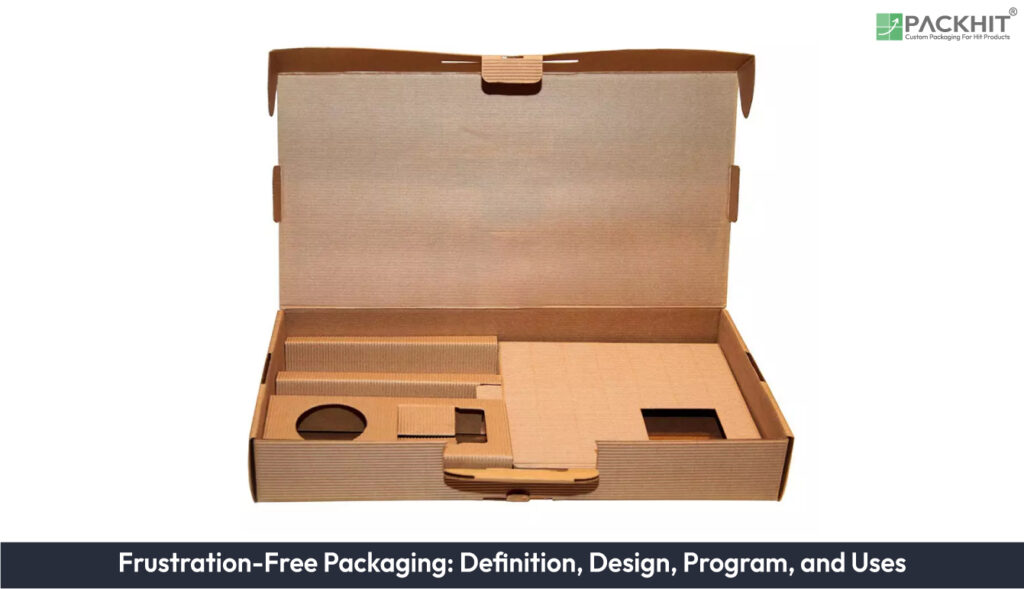
Frustration-Free Packaging (FFP) is a specialized packaging methodology aimed at reducing consumer inconvenience during unboxing while simultaneously addressing sustainability and operational efficiency. Defined by its ease of opening, minimal use of materials, and compatibility with e-commerce logistics, FFP eliminates excessive packaging components such as clamshells, wire ties, and plastic bindings. This packaging approach aligns with Amazon’s packaging optimization criteria, which emphasize reducing unnecessary packaging, improving product protection, and using more efficient materials and designs where applicable. FFP is widely adopted across industries to enhance customer satisfaction, reduce environmental impact, and optimize supply chain processes.
- What is Frustration-Free Packaging?
- How Does Frustration-Free Packaging Work?
- What are the Benefits of Frustration-Free Packaging?
- Enhanced Customer Experience
- Operational Efficiency
- Environmental Impact
- Compliance with E-Commerce Standards
- Requirements for Frustration-Free Packaging Certification
- Risks, Failure Modes, and Practical Constraints
- Applications of Frustration-Free Packaging
What is Frustration-Free Packaging?
Frustration-Free Packaging refers to a packaging design approach that removes steps and tools from product access. The design avoids hard-to-open components such as blister packs or clamshells, and it limits the “open” action to pull-tabs, tear-open seams, or simple lift-out trays that separate from the product without cutting.
Frustration-Free Packaging gained widespread attention in 2008 through Amazon’s program to improve unboxing while reducing packaging waste. In practical terms, the pack includes materials that separate cleanly at defined points, so customers access the product without knives or scissors and without dismantling the product itself.
Manufacturers use Frustration-Free Packaging for common tangible products, for example: a boxed consumer accessory that is clipped into a paperboard tray, and a small hardware item that sits in a removable carton insert with a tear-open seam for direct access.
Frustration-Free Packaging vs. Standard Packaging
The primary distinction between FFP and standard packaging lies in design complexity and material usage. Standard packaging often includes multiple layers, non-recyclable components, and hard-to-open designs, which can lead to consumer dissatisfaction and increased waste. In contrast, FFP eliminates these issues by prioritizing simplicity, recyclability, and ease of use. For example, a standard clamshell package may require scissors to open, whereas an FFP alternative uses a single recyclable box with perforated edges for easy access.
How Does Frustration-Free Packaging Work?
Frustration-free packaging works by redesigning the package so the consumer can access the product without extra tools or extra layers. Manufacturers remove components that add friction, such as secondary bags, blister trays, and “easy-to-open” but hard-to-pull adhesives, if the product and materials allow it.
The process starts with packaging material compatibility and a structural plan. Corrugated panels or molded pulp blanks form a tray and lid that hold the item by fit and contact area, not by excess cushioning. Common engineering choices include die-cut locking tabs, wrap-free carriers, and tear lines that guide opening along predictable paths.
Durability comes from targeted shipping tests that match the size and mass of the packaged unit. The packaging design uses compression strength and edge protection where the product shifts during transport. Manufacturers verify the result with performance testing tied to Amazon’s certification framing, including ISTA-6 testing protocols for package integrity during distribution.
Material claims tie back to certification criteria. If a packaging design uses biodegradable or compostable components, it applies those materials only to the paper-based structures allowed by the certification rules, and it limits use to parts that do not compromise box strength or moisture resistance during transit.
Amazon’s certification program provides an external check on the full operating model. It evaluates factors such as ISTA-6 testing results, recyclability of the package components, and customer access performance using satisfaction metrics that reflect opening success, not only shipping survival.
Amazon’s Frustration-Free Packaging Program
Amazon’s Frustration-Free Packaging (FFP) program has used different packaging certification classifications to distinguish levels of packaging optimization and fulfillment readiness. These classifications have included categories such as Frustration-Free Packaging, Ships in Own Container, and Prep-Free Packaging, with requirements varying according to the applicable program criteria and packaging type.
Certain Amazon packaging certification and validation processes may also reference ISTA 6 testing protocols, depending on the product, packaging configuration, and fulfillment requirements. These initiatives are intended to reduce packaging waste, improve shipping efficiency, and support a better customer experience.
What are the Benefits of Frustration-Free Packaging?
Frustration-free packaging reduces customer frustration by shipping products in packaging that opens without tools, shows clear instructions, and prevents damage during transit. FFP offers several advantages for manufacturers, consumers, and the environment:
Enhanced Customer Experience
Frustration-Free Packaging significantly improves the unboxing process for consumers. By eliminating hard-to-open packaging components such as plastic bindings and clamshells, it ensures a seamless experience. This ease of access enhances customer satisfaction and positively impacts brand perception, fostering loyalty and repeat purchases.
Operational Efficiency
Streamlined packaging designs can help improve operational efficiency by reducing unnecessary material use and optimizing package dimensions. Depending on the packaging configuration, materials, production volume, fulfillment process, and shipping requirements, these changes may help reduce production or transportation costs. Frustration-Free Packaging can also simplify certain handling and fulfillment processes, although the level of operational or cost savings varies by product, packaging design, and supply chain.
Environmental Impact
The use of recyclable and eco-friendly materials in Frustration-Free Packaging actively supports sustainability goals. By decreasing packaging waste and incorporating biodegradable alternatives, this approach aligns with global efforts to reduce environmental impact, meeting both consumer and regulatory demands.
Compliance with E-Commerce Standards
Frustration-Free Packaging adheres to the logistical requirements necessary for direct-to-consumer shipping. Its design ensures product protection without additional layers, meeting the standards of programs like Amazon’s ISTA-6 testing. This compliance enhances compatibility with e-commerce platforms, making it a preferred choice for online retailers.
Requirements for Frustration-Free Packaging Certification
To achieve certification under Amazon’s FFP program, packaging must meet specific program criteria:
- Recyclability: Tier 1 FFP packaging must be made from 100% curbside-recyclable packaging materials that meet Amazon’s applicable program requirements.
- Durability: Packaging must be designed to protect the product throughout the applicable e-commerce distribution environment without requiring an additional Amazon overbox. Performance must be validated according to the testing method applicable to the product’s size, weight, fragility, and packaging type.
- Ease of Opening: Packaging should be easy for consumers to open, with minimal use of scissors or a box cutter, while meeting Amazon’s applicable easy-to-open requirements.
- Transit Testing: Depending on the product and packaging configuration, certification may involve ISTA 6-Amazon.com testing or another applicable Amazon testing procedure to evaluate whether the packaged product can withstand defined handling and transit conditions. Testing requirements can vary based on factors such as product fragility, weight, dimensions, and packaging format.
Risks, Failure Modes, and Practical Constraints
Risks for frustration-free packaging include box crush damage, loose inserts that allow product rattle, missing or weak handholds that block opening, and packaging-to-product mismatch that causes excessive film tension. Common failure modes include tear-through of paperboard, misaligned folds that leave gaps, and adhesive or tape release that separates during transit.
- Crush and impact happen when pallet stacking stress exceeds box compression strength, for example flat dents or collapsed corners on transit.
- Opening friction happens when fingers cannot reach a cut line or pull tab, for example packaging requires tools or multiple re-peels of film.
- Containment loss happens when cushioning and fit are underspecified, for example the product shifts into the outer carton during drops.
- Material failure happens when film thickness or paperboard grammage cannot handle repeated pulls, for example seam splitting at the fold line.
- Conversion defects happen when scoring, die-cutting, or glue patterns miss tolerances, for example partially cut openings or gaps in glued flaps.
Practical constraints also affect design, including shipping vibration limits, cold or humid storage conditions, and US-facing retail handling where operators open packaging quickly while keeping damage visibility low.
Applications of Frustration-Free Packaging
Frustration-Free packaging is widely used across industries, particularly in e-commerce, consumer electronics, and household goods. Examples include:
- E-Commerce: Direct-to-consumer brands leverage Frustration-Free Packaging to streamline shipping processes, lower transportation costs, and enhance customer satisfaction. By minimizing packaging layers and using recyclable materials, these brands meet both logistical and environmental requirements, ensuring a positive unboxing experience.
- Consumer Electronics: High-value products, such as smartphones and gaming consoles, benefit from simplified Frustration-Free Packaging designs. These packages protect delicate components during transit while offering an intuitive and frustration-free unboxing experience that aligns with premium brand expectations.
- Household Goods: In the household products sector, Frustration-Free Packaging addresses consumer demand for sustainability by incorporating eco-friendly materials. Examples include biodegradable packaging for cleaning supplies and reusable designs for kitchenware, making it easier for customers to adopt greener lifestyles.
- Health and Beauty: Frustration-Free Packaging is increasingly adopted in the health and beauty industry, where ease of access and sustainability are vital. Products like skincare kits and dietary supplements are packaged with recyclable materials, ensuring both product protection and convenience for consumers.