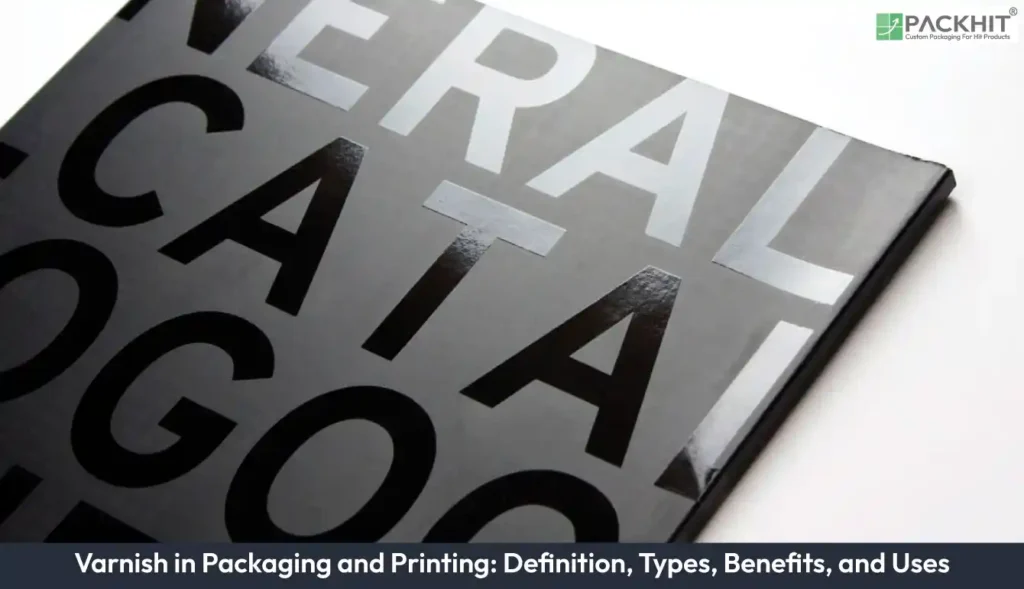
Varnish in packaging is a clear or semi-transparent coating used to modify the appearance and surface characteristics of printed materials. Its main types vary by finish and composition, allowing manufacturers to select effects suited to different visual, tactile, and production requirements. Its benefits center on presentation, print preservation, and greater flexibility in how packaging surfaces are finished. Varnish is used across packaging applications where appearance, handling, and brand presentation influence the choice of coating. Spot and flood application methods provide different ways to emphasize selected design elements or create a uniform finish. Choosing an appropriate varnish depends on the substrate, ink system, desired effect, application method, and intended packaging conditions.
- What is Varnish in Packaging and Printing?
- Types of Varnish Used in Packaging
- What are the Benefits of Using Varnish in Packaging?
- What are the Uses of Varnish in Packaging?
- How is Varnish Applied in Packaging Production?
- Does Varnish Change the Color of Printing on Packaging?
- When Should Brands Use Spot Varnish vs. Flood Varnish on Packaging?
What is Varnish in Packaging and Printing?
Varnish is a liquid coating applied to printed surfaces during or after the printing process to modify their physical and visual properties. It is typically composed of resins, solvents, and additives that cure or dry to form a protective and decorative layer. In packaging, varnish is used to enhance the printed design, protect the substrate, and add functional attributes such as resistance to scuffing, moisture, and fading. The application of varnish can be tailored to meet specific requirements, including branding objectives, product protection, and consumer appeal.
Core Properties of Varnish
Varnish possesses several key properties that make it a valuable component in packaging and printing. These properties enhance both the appearance and durability of printed materials, ensuring that packaging meets functional and aesthetic needs.
- Transparency: Varnish is generally clear or semi-transparent, allowing the underlying printed design to remain visible while enhancing its appearance.
- Finish Variability: Varnishes are available in multiple finishes, including gloss, matte, satin, and textured options, each offering distinct visual and tactile effects.
- Protective Function: Varnish provides a barrier against physical damage, environmental factors, and chemical exposure, extending the lifespan of printed materials.
- Application Flexibility: Varnish can be applied using various methods, such as offset printing, flexographic printing, or digital printing, depending on the substrate and design requirements.
Types of Varnish Used in Packaging
Varnishes used in packaging are classified based on their finish, chemical composition, and curing method. Each type offers distinct advantages depending on the intended application and desired outcome.
Finish Types
Varnishes are classified by their finish types, each offering distinct visual and tactile qualities that cater to different branding and functional needs. Below is a detailed list of the common finish types used in packaging:
- Gloss Varnish: Creates a shiny, reflective surface that enhances color vibrancy and provides a premium look to the packaging.
- Matte Varnish: Offers a smooth, non-reflective finish that exudes sophistication and is ideal for understated, elegant designs.
- Satin Varnish: Strikes a balance between gloss and matte finishes, combining a subtle sheen with a refined texture for versatile branding.
- Soft-Touch Varnish: Provides a velvety texture that enhances tactile appeal, often used for luxury or high-end product packaging.
- Textured Varnish: Adds distinct patterns or raised effects to the surface, creating a dynamic and engaging sensory experience.
- Pearlescent Varnish: Imparts a shimmering, multi-tonal effect that adds depth and uniqueness to the packaging design.
Chemical Composition of Varnis
The chemical composition of a varnish influences its finish, curing behavior, application requirements, and performance. Actual results can vary with the specific formulation, coating weight, substrate, printing system, curing or drying conditions, and intended packaging use.
- Water-Based Varnish: Water-based varnishes use water as a primary carrier and are available for a range of packaging applications. Suitability for food packaging depends on the specific formulation, location of use, potential for food contact, and applicable regulatory requirements rather than the varnish category alone.
- UV-Cured Varnish: UV-cured varnishes use ultraviolet energy to cure the applied coating rapidly. Depending on the formulation, coating weight, substrate, and curing conditions, they can provide strong resistance to abrasion, moisture, and other forms of surface wear. Production suitability also depends on the capabilities and operating parameters of the printing and curing equipment.
- Solvent-Based Varnish: Solvent-based varnishes use organic solvents as part of their formulation and can provide resistance to moisture, chemicals, and demanding handling conditions, depending on the product and application. Because some formulations can emit volatile organic compounds (VOCs) during application and drying, handling, ventilation, and regulatory requirements should be assessed using the manufacturer’s technical and safety documentation.
- Oil-Based Varnish: Oil-based varnishes use natural or synthetic oils and generally cure or dry differently from water-based and UV-cured systems. Their drying time, finish, and durability depend on the formulation, substrate, coating application, and production conditions.
- Acrylic-Based Varnish: Acrylic-based varnishes are used where properties such as clarity, gloss, and flexibility are desired. Resistance to discoloration or yellowing varies by formulation and exposure conditions and should be evaluated against the requirements of the finished package.
Selection and Testing Note: Varnish performance should not be determined from varnish type alone. Before production, evaluate the selected coating on the intended ink and substrate under the planned coating weight, drying or curing conditions, and finishing process. Supplier technical specifications and application testing can be used to verify properties that are critical to the package.
What are the Benefits of Using Varnish in Packaging?
The application of varnish in packaging delivers multiple benefits, ranging from enhanced aesthetics to improved durability and functionality. These advantages make varnish an essential component in modern packaging design.
Aesthetic Benefits
Using varnish in packaging offers a range of aesthetic benefits that enhance the product’s overall visual appeal and brand perception. Here are some specific advantages:
- Color Enhancement: Varnish amplifies the vibrancy and depth of printed colors, making designs more eye-catching and dynamic.
- Premium Finishes: Options such as gloss and matte varnishes create a polished or sophisticated look, catering to different branding needs.
- Highlighting Key Elements: Techniques like spot varnishing emphasize specific design areas, such as logos or product names, to draw consumer attention.
- Texture Variability: Specialty varnishes, such as soft-touch and textured finishes, add unique tactile experiences, aligning with luxury or innovative branding strategies.
- Customizable Finishes: Varnish offers a wide range of effects, including pearlescent and satin finishes, enabling brands to create distinct and memorable packaging designs.
Functional Benefits
Varnish can provide functional benefits in packaging, but performance depends on factors such as the varnish formulation, coating weight, substrate, ink system, application method, and drying or curing conditions.
- Surface Protection: Varnish can help protect printed surfaces from scratches, scuffs, and wear associated with handling, storage, and transportation. The level of protection varies by coating system and application.
- Moisture Resistance: Certain varnish formulations can improve resistance to moisture and humidity when appropriately matched to the substrate and intended packaging conditions.
- Light and Fade Resistance: Some varnish systems can help reduce deterioration of printed surfaces caused by light exposure, although performance depends on the formulation, inks, exposure conditions, and validated application.
- Chemical Resistance: Selected varnishes can provide resistance to oils, solvents, or other chemicals, depending on their formulation and the substances and exposure conditions involved.
- Enhanced Durability: A suitable varnish can help reduce surface wear and preserve the appearance of printed packaging during its intended use. It should not be assumed to increase the structural strength of the packaging substrate itself.
- Ease of Cleaning: Some varnished surfaces can be easier to wipe or clean than untreated printed surfaces, subject to the coating formulation and intended cleaning conditions.
- Heat Resistance: Certain varnish formulations are designed for applications involving elevated temperatures, but acceptable temperature exposure depends on the specific coating, substrate, duration of exposure, and validated production requirements.
How Does Varnish Enhance Packaging Design?
Varnish enhances packaging design by improving both the visual and functional aspects of printed materials. Gloss varnishes amplify color vibrancy and create a reflective surface that attracts consumer attention, while matte varnishes provide a subdued, elegant finish suitable for premium branding. Specialty varnishes, such as soft-touch or textured coatings, add unique tactile qualities that differentiate products on the shelf. Additionally, varnish can be selectively applied to specific areas of a design, known as spot varnishing, to highlight logos, text, or images, creating a dynamic and engaging visual effect.
- Spot Varnishing: This technique involves applying varnish to specific areas of the printed surface to emphasize particular design elements, such as logos or product names.
- Flood Varnishing: In contrast, flood varnishing covers the entire printed surface, providing uniform protection and finish across the substrate.
- Combination Effects: Manufacturers often combine spot and flood varnishing to achieve a balance between aesthetic appeal and functional protection.
What are the Uses of Varnish in Packaging?
Varnish is widely used across various packaging applications, including food and beverage packaging, cosmetics, pharmaceuticals, and retail products. Its versatility allows manufacturers to create packaging that meets both functional and aesthetic requirements.
- Food Packaging: Water-based and other varnish systems can support certain food-packaging applications when the specific formulation and finished package are suitable and compliant for their intended use. Food-contact or other safety-related suitability should be verified against applicable requirements and supplier specifications.
- Cosmetic Packaging: Specialty varnishes can provide visual or tactile effects for cosmetic packaging, with the appropriate coating selected according to the substrate, design, handling requirements, and intended use.
- Pharmaceutical Packaging: Varnish systems can be used to enhance the finish or surface protection of certain pharmaceutical packaging. Suitability depends on the formulation, application, packaging function, and required validations and should be confirmed for the intended use.
- Retail Packaging: Varnish can provide surface protection or selectively emphasize printed elements on retail packaging, depending on the chosen coating and application technique.
Performance and Suitability Note: Varnish type alone does not establish regulatory compliance, safety, or a specific level of performance. Where these properties are critical, the selected varnish should be evaluated using relevant supplier specifications, production conditions, and application-specific validation before use.
How is Varnish Applied in Packaging Production?
The application of varnish in packaging production involves several methods, each tailored to the substrate, design, and production scale. Common techniques include offset printing, flexographic printing, and digital printing, with curing processes such as air drying, heat curing, or UV curing ensuring optimal performance.
Application Methods
The application of varnish in packaging production involves various methods, each tailored to the packaging material, design complexity, and production requirements. These methods ensure that varnish enhances both the aesthetic and functional properties of the printed substrate.
- Offset Printing: This method is ideal for high-volume production runs, offering precise varnish application with consistent results. It is commonly used for rigid packaging materials, such as cardboard and paperboard.
- Flexographic Printing: Suitable for flexible substrates like plastic or thin films, flexographic printing enables rapid varnish application with minimal waste. It is widely used for food packaging and labels.
- Digital Printing: This technique provides versatility and customization, making it ideal for short production runs, personalized packaging, and intricate designs. Digital printing allows targeted varnish application, such as spot varnishing, for enhanced visual effects.
- Screen Printing: Often employed for specialty finishes, screen printing allows the application of thicker varnish layers, creating textured or raised effects for tactile enhancement.
- Gravure Printing: Known for its high-quality output, gravure printing is used for large-scale production of packaging requiring uniform varnish application, such as luxury boxes or high-end product labels.
Curing Processes
The curing process ensures that the applied varnish dries or hardens effectively, achieving the desired finish and performance characteristics. Different curing methods are employed based on the varnish type and production requirements.
- Air Drying: Common for water-based varnishes, air drying is cost-effective but slower compared to other methods.
- Heat Curing: Accelerates drying and enhances adhesion, particularly for solvent-based varnishes.
- UV Curing: Provides instant curing and superior durability, making it the preferred choice for high-speed production lines.
Does Varnish Change the Color of Printing on Packaging?
Yes, varnish can change the perceived color of printing on packaging, even when the varnish itself is clear. Gloss varnish increases surface reflectivity and can make printed colors appear deeper, richer, or more saturated, while matte varnish reduces glare and can make colors appear softer or more muted. The degree of change depends on the varnish formulation, ink, substrate, coating weight, and curing method. For packaging where precise color matching is important, a production sample should be tested with the intended varnish before the full print run.
When Should Brands Use Spot Varnish vs. Flood Varnish on Packaging?
Brands should use flood varnish when the packaging needs a consistent finish and surface protection across a larger printed area. Spot varnish is better suited to highlighting specific elements such as logos, product names, images, or patterns by creating contrast with the surrounding surface. Both techniques can also be combined, such as applying a matte flood varnish across a package and gloss spot varnish to selected graphics. The choice depends on the substrate, desired visual effect, protection requirements, and compatibility with later processes such as folding, gluing, or foil application.