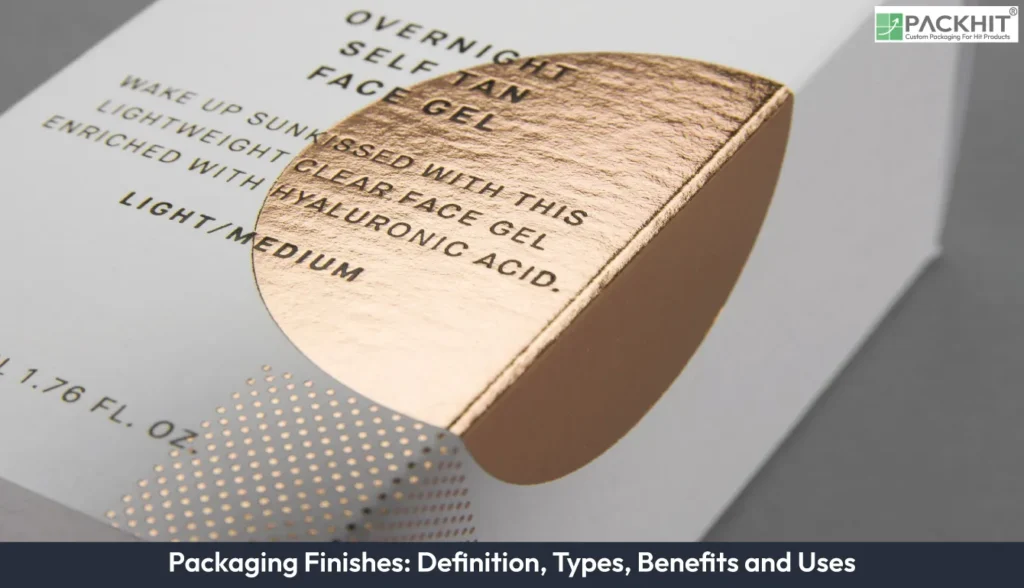
Packaging finishes are surface treatments that influence the appearance, texture, protection, and overall performance of packaging. Common types include glossy, matte, embossed, debossed, foil-stamped, UV-coated, varnished, soft-touch, and sustainable finishes, each serving different visual, tactile, and functional purposes. Their benefits extend from stronger shelf appeal and consumer engagement to improved durability, material performance, and product differentiation. Across industries, finish selection varies according to functional needs, market positioning, and environmental priorities. Choosing the right finish therefore requires careful evaluation of compatibility, cost, performance, sustainability, and real-use testing.
- What are Packaging Finishes?
- Types of Packaging Finishes
- Glossy Finishes
- Matte Finishes
- Embossing and Debossing
- Foil Stamping
- UV Coating
- Varnish
- Soft-Touch Coating
- Sustainable Finishes
- What are the Benefits of Packaging Finishes?
- Different Packaging Finishes Preferred Across Industries
- What are the Common Current Trends in Packaging Finishes?
- How to Choose the Right Packaging Finish?
What are Packaging Finishes?
Packaging finishes are surface treatments applied to materials such as paper, cardboard, plastic, or metal. They can change how packaging looks, feels, and performs during handling, display, and use. Gloss and matte coatings alter reflectivity; embossing and debossing add raised or recessed texture; foil stamping adds metallic detail; UV coatings and varnishes can help protect printed surfaces; and soft-touch coatings create a velvety feel.
Types of Packaging Finishes
Packaging finishes can be broadly categorized based on their visual, tactile, and functional attributes. The most common types of packaging finishes are mentioned below:
Glossy Finishes
Glossy finishes add a shiny and reflective surface to packaging, enhancing vibrancy and drawing attention. Commonly used for luxury items like cosmetics and electronics, they elevate product appeal and can help protect the surface from minor scratches and fingerprints.
Matte Finishes
Matte finishes offer a smooth, non-reflective texture that conveys elegance and sophistication. Ideal for premium brands, these finishes minimize glare and create a modern, understated look that enhances perceived value.
Embossing and Debossing
Embossing raises specific areas of the packaging surface, while debossing creates recessed designs. These techniques add tactile depth and visual interest, making logos, patterns, or text stand out for a premium unboxing experience.
Foil Stamping
Foil stamping applies metallic or holographic foil to packaging, delivering a luxurious, high-end aesthetic. This finish is frequently used for products like gift boxes and specialty items, enhancing their visual appeal and exclusivity.
UV Coating
UV coating often uses a clear polymer layer cured by ultraviolet light and can create a high-gloss surface designed to help reduce scratches and fingerprints. It can enhance printed colors and is usually designed to help reduce scratches, fingerprints, and limited moisture exposure, depending on the coating system and application. Typical applications include food packaging, labels, and gift boxes that require a reflective finish and print protection.
Varnish
Varnish is a clear liquid coating applied to printed stock; available in gloss, satin, and matte grades, it may protect ink from scratches, dirt, and fingerprints. Varnish and lamination are commonly related finishes; varnish is generally lower cost than lamination and can be used alone or combined with UV coating, depending on the desired surface feel and durability.
Soft-Touch Coating
Soft-touch coatings provide a velvety texture that feels luxurious and unique. Frequently used for high-end products in beauty and fashion, this finish enhances sensory engagement and reinforces a premium brand image.
Sustainable Finishes
Eco-friendly finishes include biodegradable coatings, water-based varnishes, and recycled materials. These sustainable options may reduce certain environmental impacts when they use lower-impact materials, support recyclability, or reduce difficult-to-separate layers; actual performance depends on the finish composition and end-of-life system.
What are the Benefits of Packaging Finishes?
Packaging finishes improve scratch and moisture resistance, strengthen visual branding through controlled color and texture, and reduce shipping damage by aligning surface treatment with the package material and intended handling.
- Enhanced visual appeal and brand recognition: Glossy, matte, metallic, foil, and holographic finishes improve color, texture, and shelf presence, making brands more distinctive and memorable.
- Improved surface protection: UV coatings, varnishes, and laminations help protect packaging from scuffing, dirt, fingerprints, and brief moisture exposure.
- Elevated consumer experience: Embossing, debossing, and soft-touch coatings add texture, highlight key design elements, and create a premium unboxing experience.
- Better material performance: Selecting a finish compatible with paper, cardboard, plastic, or metal improves adhesion, durability, and overall effectiveness.
- Greater sustainability: Water-based varnishes, recyclable coatings, and reduced-lamination designs can support environmental goals when compatible with local recycling systems.
- Flexible cost and production options: Basic varnishes offer economical protection, while specialty finishes provide greater visual impact for products that justify additional tooling and production steps.
- Competitive differentiation: Distinctive finishes help products stand out from competitors and can increase their perceived value.
Different Packaging Finishes Preferred Across Industries
Packaging finishes are used across various industries listed below:
Beauty and Cosmetics
In the beauty and cosmetics industry, packaging finishes such as foil stamping, embossing, and soft-touch coatings are highly favored. These finishes elevate the premium appeal of products by creating a luxurious and tactile unboxing experience. For example, embossed logos or shimmering foil on perfume boxes significantly enhance brand elegance and consumer perception, making them ideal for high-end products.
Food and Beverage
The food and beverage sector often uses glossy finishes and UV coatings to protect packaging while maintaining vibrant designs. These finishes ensure durability against moisture and external elements, preserving product quality. For instance, glossy coatings on snack packaging not only enhance visual appeal but also shield printed designs from smudging or fading during handling and storage.
Electronics
Electronics packaging frequently employs matte finishes and soft-touch coatings to convey sophistication and quality. These finishes minimize glare and fingerprints while delivering a modern, sleek aesthetic. For example, matte finishes on smartphone boxes create a premium feel, aligning with the high-tech image of the product inside.
Gift Packaging
Gift packaging relies heavily on foil stamping, embossing, and holographic finishes to create a sense of luxury and exclusivity. These finishes add a festive or celebratory touch, making gift items more appealing. For example, metallic foil on gift boxes adds a reflective charm that enhances the unboxing experience and makes the product stand out as a premium choice.
Sustainable Products
Sustainable products increasingly use eco-friendly finishes such as biodegradable coatings, water-based varnishes, and recycled materials. These finishes align with green initiatives and appeal to environmentally conscious consumers. For example, biodegradable coatings on organic food packaging ensure that the product remains eco-friendly from its contents to its outer layer, solidifying its commitment to sustainability.
What are the Common Current Trends in Packaging Finishes?
The packaging industry is evolving rapidly, with new trends shaping the use of finishes. Key trends include:
- Recycle-Compatible Coatings: Water-based or biodegradable coating systems may reduce certain environmental impacts, depending on their composition, application, recyclability, and end-of-life conditions.
- Digital Embellishment: Raised varnishes, textured effects, metallic details, and spot coatings can be applied digitally, making premium finishes more practical for short runs and customized packaging.
- Tactile Finishes: Soft-touch coatings, embossing, debossing, textured varnishes, and uncoated surfaces are often used to create a more distinctive sensory experience.
- Selective Finishing: Brands may apply foil, gloss, texture, or coating only to specific design areas rather than covering the entire package, reducing material use while maintaining visual impact.
- Lamination-Free Effects: New finishing methods can create gloss, texture, surface protection, and decorative effects without using full-film lamination. In some packaging designs, this can reduce material weight and may make recycling easier, depending on the substrate, finish chemistry, and local recycling stream.
- Functional Coatings: May usually provide anti-scuff, grease-resistant, moisture-resistant, heat-resistant, antimicrobial, or freshness-indicating properties, depending on the coating formulation, substrate, and application conditions.
- Minimalist Premium Finishes: Subtle foil accents, blind embossing, matte coatings, and refined textures may replace overly decorative surfaces in many premium packaging designs.
- Variable Finishing: Digital systems often allow metallic effects, textures, patterns, and spot varnishes to change across individual packs, supporting personalization and limited-edition packaging.
How to Choose the Right Packaging Finish?
Choose a packaging finish by matching your product’s branding goals and protection needs, then selecting a finish type by material compatibility, print method, required scratch and moisture resistance, and the viewing conditions of the finished package.
- Define the main goal: Choose whether the finish is primarily needed for visual impact, tactile appeal, surface protection, or a combination of these.
- Check material compatibility: Confirm that the coating, varnish, foil, or texture works with the selected paper, cardboard, plastic, or metal substrate.
- Compare trade-offs: Gloss finishes can increase visual impact but may show fingerprints; matte and soft-touch finishes can feel premium but may require additional scuff testing; laminates can improve protection but may affect recyclability.
- Test real-use performance: Evaluate print quality, folding and cracking, scuffing, moisture exposure, adhesion, handling, and recyclability under expected shipping and retail conditions.
- Set pass-or-fail criteria: Approve the finish only if it maintains the required appearance, protection, production efficiency, and end-of-life performance.
Consult a packaging specialist when the product requires food-contact compliance, advanced moisture or oxygen barriers, antimicrobial performance, complex multi-layer finishes, or regulated labeling.
What to Test Before Choosing a Finish in Packaging?
Test the finish on the actual packaging material for print appearance, scuff resistance, moisture exposure, folding performance, recyclability, and customer handling. A finish that looks premium but cracks, delays production, or prevents recycling may reduce rather than add value.