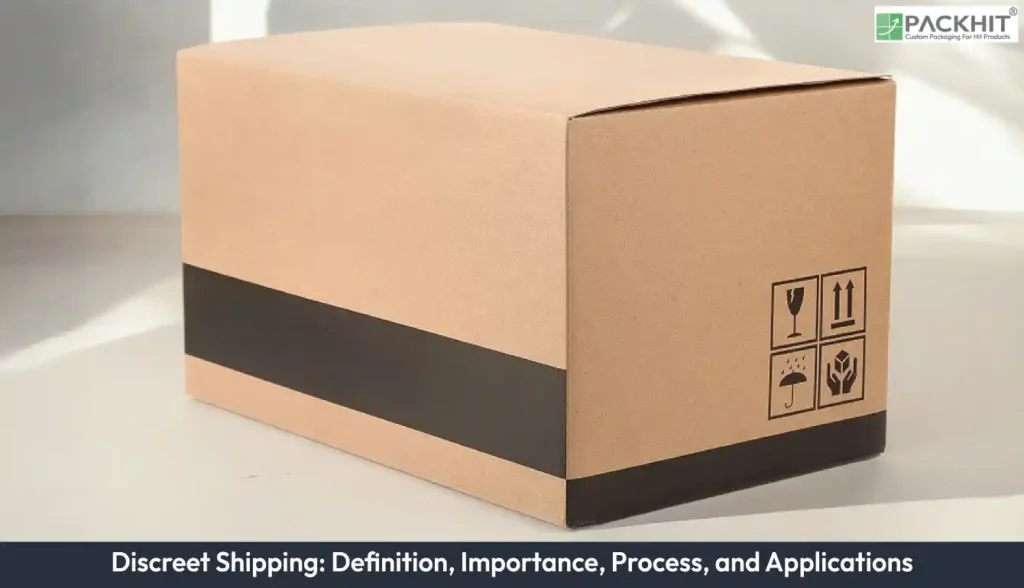
Discreet shipping refers to a specialized delivery method designed to ensure privacy and security for shipped products by utilizing plain packaging, unbranded labels, and tamper-proof sealing mechanisms. Discreet shipping is employed for sensitive items such as medical supplies, personal care products, and high-value goods, prioritizing the anonymity of contents and sender information. The importance of discreet shipping lies in its ability to safeguard customer confidentiality, prevent theft during transit, and enhance overall delivery experiences, making it a competitive advantage for businesses in industries like e-commerce, healthcare, and luxury goods. Implementation involves selecting neutral packaging materials, simplifying labels to exclude identifying details, and partnering with carriers experienced in privacy-sensitive logistics. Its applications are diverse, ranging from ensuring patient privacy in healthcare to deterring theft in luxury goods delivery, while challenges such as increased costs and fulfillment delays can be mitigated through strategic planning.
For medical or regulated products, verify packaging, labeling, and carrier handling requirements with your compliance team and the carrier. Discreet shipping guidance is informational and not a substitute for professional or regulatory advice.
- What is Discreet Shipping?
- Importance of Discreet Shipping
- How Does Discreet Shipping Work?
- 1. Choose Neutral Packaging
- 2. Use Simplified Labels
- 3. Apply Security Features
- 4. Partner with Trusted Carriers
- 5. Educate Fulfillment Staff
- 6. Optimize Processes
- Practical Applications of Discreet Shipping
- Challenges in Discreet Shipping
- What Discreet Shipping Requirements Should Packaging Specify?
- Future Trends in Discreet Shipping
What is Discreet Shipping?
Discreet shipping is a delivery approach designed to protect privacy by concealing sender and product identity. Packaging used in discreet shipping is intentionally plain, devoid of branding, logos, or descriptive labels that could reveal the nature of the contents. The primary objective is to ensure privacy for the recipient while maintaining the security of the shipment during transit. This method is particularly relevant for products such as medical supplies, personal care items, or high-value goods, where discretion is a critical factor.
Core Attributes of Discreet Shipping
- Neutral Packaging: Plain boxes, poly bags, or padded mailers without logos or identifying marks.
- Unbranded Labels: Shipping labels that exclude sender information or product descriptions.
- Secure Sealing: Use of tamper-proof seals to ensure package integrity.
- Privacy Assurance: Measures to prevent unauthorized access or visibility of contents.
Importance of Discreet Shipping
Discreet shipping protects customer privacy by keeping the product, manufacturer, and package contents unclear from the outside. Unbranded outer packaging, neutral graphics, limited exterior text, and concealed product labels reduce visual clues during handling and delivery. The shipping label still displays the information required by the carrier, so discreet packaging does not mean anonymous shipping.
This approach can reduce opportunistic theft and unwanted attention, but it does not prevent tampering. Use a secure closure, a paperboard grade that matches the product weight, and internal cushioning when the package contains a fragile or high-value item. A plain exterior can lower packaging cost, while extra layers, inserts, or tamper-evident seals increase material use and packing time.
Privacy requirements also affect fulfillment speed. A standard carton with a neutral exterior usually moves through a warehouse faster than a package that requires a concealed label, an overbox, or a manual inspection. Confirm label placement, barcode readability, dimensional limits, and tracking requirements with the carrier and fulfillment provider before production. That review helps the manufacturer choose between a plain printed mailer, a labeled inner carton with an unbranded outer box, or a separate overpack.
Healthcare products, personal-care items, adult products, legal documents, luxury goods, and high-value electronics commonly require greater confidentiality. For these categories, discreet shipping supports customer trust and reduces exposure of sensitive purchase information. Manufacturers can prioritize privacy when product disclosure creates a clear security or social concern; they can prioritize speed and lower cost when the product has low sensitivity and the carrier already handles it in a plain shipping container.
How Does Discreet Shipping Work?
Discreet shipping integrates packaging design, labeling practices, and logistical strategies to ensure privacy and security during delivery. It begins with selecting plain yet protective materials such as corrugated boxes or padded mailers, designed to conceal contents and prevent tampering. Use a label that omits product descriptions, brand graphics, and other sensitive details while retaining the recipient address, tracking number, return address, and any information required by the carrier or law. During transit, carriers adhere to strict privacy protocols, handling shipments with care to maintain confidentiality. Manufacturers often collaborate with fulfillment centers for seamless implementation of discreet shipping workflows.
The steps in implementing discreet shipping are given below:
1. Choose Neutral Packaging
Select plain, durable materials that hide contents and resist damage. Common choices include corrugated boxes, padded mailers, and kraft poly bags. Use double-wall corrugated for fragile items and padding for shock protection.
2. Use Simplified Labels
Print labels that show only the recipient address and tracking number. Omit product descriptions and promotional text. Place the label on the largest flat surface and avoid visible packing lists. Include required customs declarations if shipping internationally.
3. Apply Security Features
Use tamper-evident seals, security tape, and void labels to mark unauthorized opening. Add serialized seals or numbered stickers for high-value items. Use clear adhesive tape over seams to prevent accidental opening during handling.
4. Partner with Trusted Carriers
Select carriers that document privacy procedures and offer restricted handling options. Compare two to three carriers on signature capture, chain-of-custody reports, and limited-access sorting. Request non-descriptive pickup records, if available.
5. Educate Fulfillment Staff
Train packers on packaging neutrality and a short privacy checklist. Cover label placement, sealing steps, and exception handling. Use hands-on sessions and a one-page SOP. Require a sealed-package photo before dispatch for selected SKUs.
6. Optimize Processes
Track discreet shipping performance with internal benchmarks and incident logs, if your facility tracks those metrics. Use batching for discreet orders if demand patterns support grouping. Run quarterly audits that compare current rates against your prior quarter and documented assumptions. Reorder plain packaging when inventory cover drops below two weeks of projected demand, if demand forecasts exclude promotion spikes and lead-time changes.
Practical Applications of Discreet Shipping
Discreet shipping is widely utilized across various industries, each with unique requirements for privacy and security. Below are examples illustrating its practical applications:
E-Commerce
Online retailers specializing in personal care products, adult items, or medical supplies often employ discreet shipping to meet customer expectations for privacy. For instance, a seller of health-related products may use plain cardboard boxes with no external branding to ensure confidentiality.
Healthcare
Pharmaceutical companies and diagnostic kit providers rely on discreet shipping to deliver sensitive medical supplies. Packaging is designed to prevent identification of the contents, ensuring patient privacy during home delivery.
Luxury Goods
Manufacturers of high-value items, such as jewelry or electronics, use discreet shipping to reduce theft risks. Neutral packaging conceals the value of the shipment, deterring potential tampering during transit.
Challenges in Discreet Shipping
While discreet shipping offers numerous benefits, it also presents certain challenges for manufacturers and logistics providers. These include increased costs associated with specialized packaging materials, potential delays in fulfillment due to additional privacy measures, and the need for carrier compliance with discreet shipping protocols. Addressing these challenges involves bulk procurement of plain packaging, integrating privacy steps into existing fulfillment workflows, and collaborating with experienced carriers.
Potential Solutions
- Cost Optimization: Bulk procurement of plain packaging materials to reduce expenses.
- Streamlined Processes: Integration of discreet shipping practices into existing fulfillment workflows.
- Carrier Collaboration: Partnering with carriers experienced in handling privacy-sensitive shipments.
What Discreet Shipping Requirements Should Packaging Specify?
Discreet shipping requires a plain exterior, limited product disclosure, controlled handling, and documented privacy checks from packing through delivery. Specify the following parameters before producing paper-based packaging or configuring fulfillment workflows.
- Privacy level: Define the information that must remain hidden, such as product category, brand name, model, scent, size, customer identity, or purchase purpose.
- Outer appearance: Specify an unbranded carton or mailer, neutral color, low-contrast graphics, and no product imagery, slogans, or category-specific symbols.
- Packaging materials: Select opaque, light-blocking paperboard or corrugated fiberboard with sufficient burst strength, crush resistance, and moisture protection for the product weight and shipping route.
- Inner packaging: Use a plain inner carton, opaque paper wrap, or folded insert if the product shape, sound, or markings could reveal its contents.
- Void control: Limit internal movement, rattling, and excess space with paper cushioning, fitted partitions, or a product-specific insert.
- Shipping labels: Include the recipient name, delivery address, return address, carrier-required barcode, tracking number, and legally required handling marks.
- Label exclusions: Remove product names, brand graphics, descriptive return text, sensitive category terms, promotional messages, and visible internal order details from the exterior.
- Sender identity: Use a neutral legal or trade name in the sender field if local law, carrier rules, and customer communication requirements permit it.
- Return information: Route returns to a controlled address and define whether the return label displays a neutral name, warehouse code, or other approved identifier.
- Sealing method: Specify tamper-evident paper tape, destructible adhesive, security label, glued flap, or a sealed mailer, based on the product risk and package format.
- Seal inspection: Record seal condition at packing, dispatch, carrier handoff, and return receipt; quarantine packages with broken, lifted, or replaced seals.
- Access control: Restrict order, product, and address data to assigned staff, and separate packing instructions from customer-visible documents.
- Document handling: Place invoices, packing slips, warranty cards, and product literature inside the package; exclude them from exterior document pouches if they disclose sensitive information.
- Workflow status: Mark discreet orders with an internal code that does not repeat the product name in packing screens, pick lists, warehouse bins, or carrier notes.
- Workstation privacy: Prevent open orders, printed labels, and packed products from remaining visible in shared packing or dispatch areas.
- Carrier restrictions: Check carrier rules for prohibited goods, customs declarations, return addresses, barcode placement, package dimensions, and required hazard markings.
- Regulatory disclosure: Preserve declarations and warnings required by law, even if they reveal product attributes; place them where the rule permits and limit unrelated wording.
- Package testing: Test opacity, label adhesion, seal failure, odor transfer, sound, crush resistance, and exposure to moisture before approving the packaging specification.
- Exception handling: Define actions for damaged cartons, incorrect labels, visible product information, failed seals, address errors, and customer requests for discreet replacement shipments.
- Retention and disposal: Set a schedule for order records, rejected labels, test samples, and packaging waste; shred or secure materials that contain personal or product data.
Record each parameter in the packaging specification and link it to the corresponding packing, inspection, labeling, and returns step. A discreet shipment is compliant only when the package remains non-descriptive and the workflow protects the same information.
Future Trends in Discreet Shipping
The demand for discreet shipping is expected to grow as consumer preferences for privacy and security continue to evolve. Emerging trends include the adoption of eco-friendly packaging materials, advanced tamper-proof technologies, and customizable solutions tailored to specific industries. Manufacturers are increasingly leveraging discreet shipping as a value-added service to differentiate their offerings in competitive markets.
Eco-Friendly Packaging
Sustainable materials such as biodegradable poly bags and recycled cardboard are gaining traction in discreet shipping, aligning with environmental goals while maintaining privacy standards.
Technological Innovations
Advanced sealing mechanisms and tracking systems are being integrated into discreet shipping practices to enhance security and transparency without compromising confidentiality.