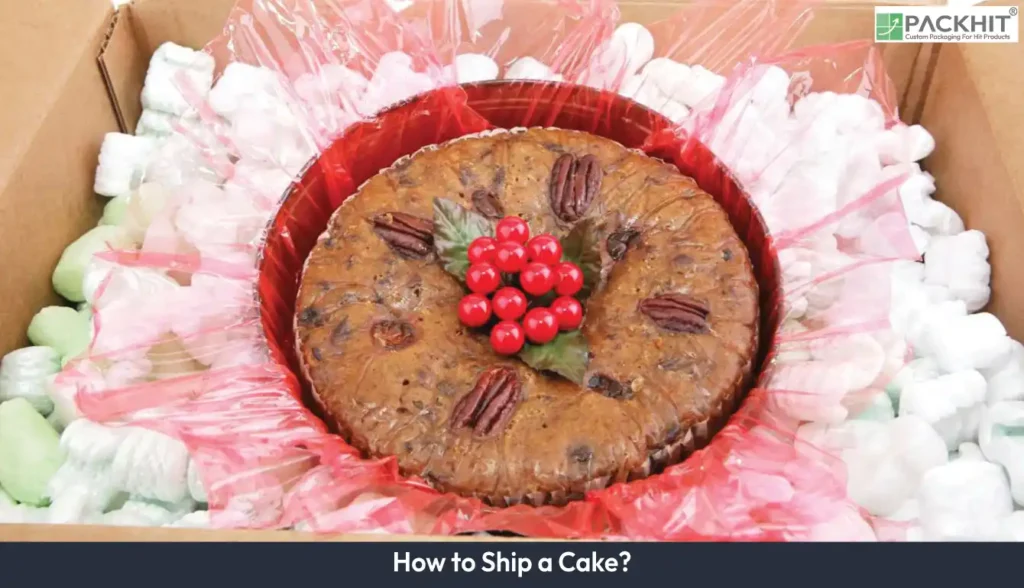
Shipping a cake requires careful preparation, secure packaging, temperature management, compliant labeling, and a suitable delivery service to protect it from damage and spoilage. Proper packaging combines a rigid cake board, protective containers, cushioning, and insulation suited to the cake’s design and ingredients. Shipping costs depend on package size, weight, distance, carrier rates, service level, and cooling requirements, so any price ranges should be treated as estimates. Some of the best practices, such as using high-quality materials and labelling the package for stability, freshness, handling, and transit time, increase the likelihood that the cake arrives in good condition. Common challenges include movement during transit, temperature fluctuations, delivery delays, and cross-border restrictions.
- Steps to Ship a Cake
- Step 1: Preparing the Cake for Shipment
- Step 2: Packaging the Cake
- Step 3: Ensuring Temperature Control
- Step 4: Sealing and Labeling the Package
- Step 5: Choosing the Right Shipping Carrier
- Step 6: Post-Delivery Considerations
- How Should Cakes Be Packaged for Shipping?
- How Much Does it Cost to Ship a Cake?
- What are the Best Practices for Cake Shipping?
- Key Challenges in Shipping a Cake
- How to Choose the Right Method to Ship a Cake?
Steps to Ship a Cake
Shipping a cake involves six key steps: prepare the cake by chilling or freezing it, package it securely with appropriate materials, ensure proper temperature control, seal and label the package for safe handling, select an experienced shipping carrier for perishable goods, and address post-delivery considerations to confirm the cake’s condition and customer satisfaction. Each stage is critical to preserving the cake’s structural integrity, freshness, and appearance during transit.
Step 1: Preparing the Cake for Shipment
Start by ensuring the cake is properly chilled or frozen to maintain its structural integrity during handling. A chilled cake is less likely to smudge, deform, or suffer damage from vibrations. Place the cake on a sturdy, food-safe cake board that matches its size. This board acts as a stable base and minimizes movement within the packaging.
For cakes with intricate designs or multi-tiered structures, consider securing the tiers with dowels or internal supports. This measure provides additional stability, especially during long-distance transport. Wrap the cake loosely in plastic wrap to prevent exposure to air, which could cause drying or contamination.
Step 2: Packaging the Cake
Use a durable, corrugated cardboard box as the outer packaging. Line the box with an insulating layer, such as bubble wrap or foam panels, to provide cushioning and minimize temperature fluctuations. Place the cake inside an inner box or clamshell container for added protection, particularly for delicate designs or decorations.
Fill any empty spaces within the box with void fillers like biodegradable packing peanuts, crumpled paper, or foam inserts. This step prevents the cake from shifting during transit. Secure the inner box firmly to the base of the outer box using non-slip pads or adhesive strips to reduce movement further.
Step 3: Ensuring Temperature Control
Temperature control depends on the ingredients and whether the cake needs to remain chilled or fully frozen. Include gel packs or dry ice to keep the interior cool. Dry ice is particularly effective for frozen cakes but must be handled with care and in compliance with hazardous material regulations. Ensure the insulated shipping box is tightly sealed to preserve the cold environment.
If using dry ice, leave adequate ventilation in the packaging to allow for sublimation. Clearly label the package to indicate the presence of dry ice and any associated handling precautions.
Step 4: Sealing and Labeling the Package
Seal the outer box securely using high-quality packing tape. Reinforce all edges and seams to prevent accidental openings. Apply multiple layers of tape along the bottom and top flaps for added durability. Proper labeling is crucial for safe handling. Affix labels such as “Fragile,” “Perishable,” and “This Side Up” prominently on all sides of the box.
For international shipments, include all necessary documentation, such as customs declarations and ingredient lists, to comply with regulatory requirements. Ensure that the package meets the shipping carrier’s guidelines for perishable goods.
Step 5: Choosing the Right Shipping Carrier
Carrier choice should reflect transit time, temperature sensitivity, route reliability, and handling needs. Look for services that offer expedited shipping options, such as overnight or two-day delivery, to minimize transit time and reduce the risk of spoilage. Some carriers provide temperature-controlled shipping solutions, which can be particularly beneficial for cakes requiring strict refrigeration or freezing.
Ensure the carrier has a reliable tracking system in place. Real-time tracking allows you and the recipient to monitor the shipment’s progress, providing peace of mind and enabling quick action in case of delays or issues during transit.
Step 6: Post-Delivery Considerations
After delivery, the recipient should check the cake promptly for damage or temperature changes and refrigerate it when required. Encourage them to check for any signs of damage or temperature fluctuations. If the cake requires refrigeration, it should be stored promptly to maintain its freshness and quality.
For businesses, consider following up with the customer to ensure satisfaction and gather feedback on the shipping experience. This practice helps improve future processes and builds trust with your clientele.
How Should Cakes Be Packaged for Shipping?
Cakes should be packaged using a combination of rigid outer boxes, cushioning materials like bubble wrap or foam inserts, and temperature-control solutions such as insulated liners and gel packs to ensure structural integrity, freshness, and safe transit.
Selecting the Right Packaging Materials
The choice of packaging materials is critical to protecting the cake during transit. A sturdy, corrugated cardboard box is recommended as the outer layer to provide structural support. Inside, the cake should be placed on a rigid cake board that matches its diameter to prevent shifting. For additional stability, the cake board can be secured to the base of the box using adhesive or non-slip pads.
To cushion the cake, void fillers such as bubble wrap, foam inserts, or biodegradable packing peanuts should be used. These materials absorb shocks and vibrations, reducing the likelihood of damage. For cakes with delicate decorations, a secondary inner box or clamshell container can provide an added layer of protection.
Temperature Control and Insulation
Maintaining the cake’s temperature is essential, particularly for items with perishable ingredients. Insulated shipping boxes, often made of expanded polystyrene (EPS) or polyurethane foam, are effective in minimizing temperature fluctuations. Gel packs or dry ice can be included to keep the cake cool, though the latter requires careful handling due to its sublimation properties.
For frozen cakes, vacuum-sealing the product before packaging can prevent freezer burn and moisture loss. However, vacuum sealing is unsuitable for cakes with intricate decorations, because the vacuum pressure may distort their appearance.
How Much Does it Cost to Ship a Cake?
The cost of shipping a cake varies based on several factors, including the cake’s size and weight, the distance to the destination, and the shipping method chosen. On average, domestic shipping costs typically range from $20 to $50 for standard-sized cakes, with expedited options costing significantly more. For international shipments, costs can often exceed $100 due to additional fees for customs clearance and temperature control.
Packaging materials and temperature control measures also contribute to the overall cost. For instance, insulated boxes and gel packs can add $10 to $20 per shipment. Businesses should account for these expenses when pricing their products to ensure profitability.
What are the Best Practices for Cake Shipping?
To ensure successful cake delivery, adhere to the following best practices:
- Use high-quality packaging materials to protect the cake from external impacts.
- Incorporate temperature control measures, such as insulated boxes and gel packs, to maintain freshness.
- Choose a reliable shipping carrier with experience in handling perishable goods.
- Clearly label the package to indicate its fragile and perishable nature.
- Plan shipments to minimize transit time, opting for expedited services when necessary.
Key Challenges in Shipping a Cake
Cakes are perishable, fragile, and temperature-sensitive, making their transportation inherently challenging. The primary risks include structural damage, such as collapsing or smudging of decorative elements, and spoilage due to exposure to heat or humidity. Cakes with intricate designs or multiple tiers are more susceptible to damage from vibrations and sudden movements during transit. Ensuring freshness is another critical factor, as cakes often contain dairy-based fillings or frostings that require refrigeration.
Another logistical challenge is the variability in shipping durations. While local deliveries may take a few hours, interstate or international shipments can extend to several days, necessitating advanced preservation techniques. Regulatory compliance, particularly for international shipping, adds another layer of complexity, as certain ingredients may be subject to customs restrictions.
How to Choose the Right Method to Ship a Cake?
Choose the shipping method based on the cake’s temperature needs, design complexity, destination climate, and expected transit time.
- Gel packs: Use for cakes that need to remain chilled but not frozen.
- Dry ice: Consider for cakes that must stay frozen, subject to carrier rules and safe packaging requirements.
- Expedited shipping: Prioritize when the cake is highly perishable, warm weather is expected, or longer transit increases spoilage risk.
- Temperature-controlled service: Consider for temperature-sensitive cakes when reliable refrigeration cannot be maintained with standard insulated packaging.
- Specialist handling: Use for multi-tiered cakes, delicate decorations, international routes, or shipments with a high risk of delays or rough handling.