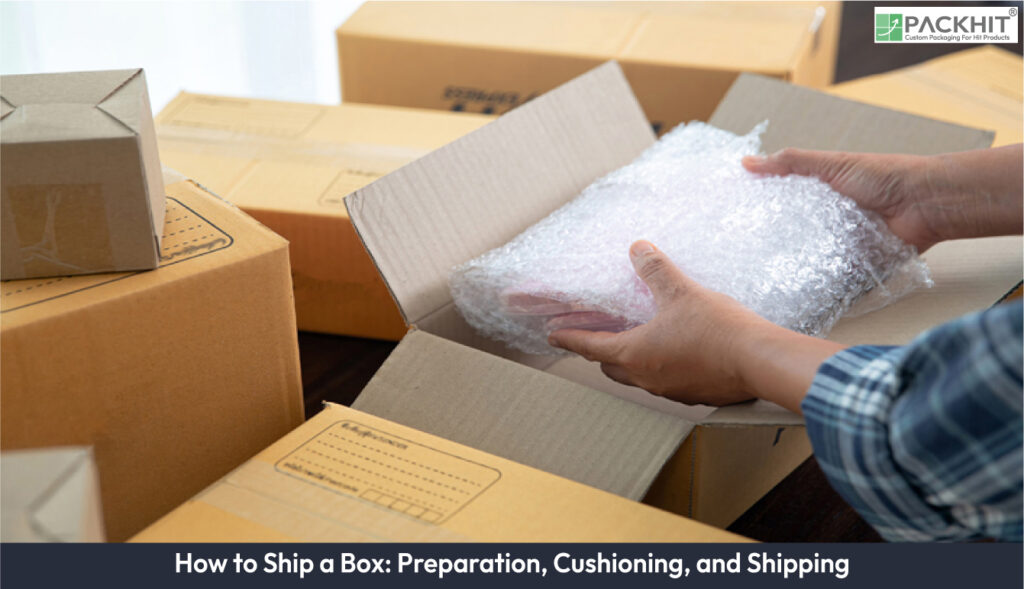
Shipping a box effectively begins with understanding how box size, strength, and construction affect product protection and shipping costs. Preparation establishes a secure package, while appropriate cushioning limits movement and absorbs impacts during transit. Labeling, sealing, handling, carrier selection, and tracking support reliable delivery, with common shipping risks addressed through careful packing and inspection. The choice between mailers and shipping boxes depends largely on product weight, protection needs, and application, while newer packaging approaches emphasize right-sizing, recyclable materials, lightweight construction, automation, digital printing, and connected features.
- What is a Shipping Box?
- How to Prepare a Shipping Box?
- What is Cushioning in Box Shipping?
- How to Ship a Box?
- Labeling and Documentation
- Handling Best Practices
- Transportation Considerations
- Common Issues During Shipping
- Optimizing the Shipping Process
- Difference Between Mailer Box and Shipping Box
- Emerging Trends in Shipping Box Design
- How to Choose the Right Shipping Box and Cushioning?
- How to Ship Products Safely While Keeping Costs Low?
What is a Shipping Box?
A shipping box is a container specifically designed for packaging and transporting goods. Its primary function is to protect contents during transit, ensuring they arrive at their destination intact. Shipping boxes are typically made from corrugated cardboard, which offers durability, lightweight properties, and cost-effectiveness. They are widely used across industries such as e-commerce, retail, and manufacturing due to their versatility and ability to accommodate various product types.
Why Does Shipping Box Size Matter?
The dimensions of a shipping box directly impact its functionality and cost-effectiveness. Selecting the correct size ensures optimal protection for the contents while minimizing material waste and shipping costs. Oversized boxes may lead to increased shipping expenses and require additional cushioning materials, whereas undersized boxes risk damaging the product due to inadequate space for protective padding.
Dimensional Considerations
Shipping box dimensions are typically measured in length, width, and height. Commonly used sizes include:
- Small Boxes: Ideal for compact items such as jewelry or electronics.
- Medium Boxes: Suitable for clothing, books, and similar products.
- Large Boxes: Used for bulkier items like appliances or furniture.
How to Prepare a Shipping Box?
Preparation involves selecting the appropriate box type, ensuring its structural integrity, and assembling it correctly. Key steps include:
- Box Selection: Choose a box that matches the product’s size and weight.
- Inspection: Check for any defects, such as tears or weak corners.
- Assembly: Secure the box using adhesive tape, ensuring all flaps are properly sealed.
What is Cushioning in Box Shipping?
Cushioning refers to the use of materials to protect the contents of a shipping box from impact, vibration, and compression forces during transit. Effective cushioning minimizes the risk of damage and ensures the product’s integrity upon arrival.
Common Cushioning Materials
Several materials are used for cushioning, each suited to specific product types:
- Bubble Wrap: Provides excellent shock absorption for fragile items.
- Foam Inserts: Customizable to fit the product’s shape, offering superior protection.
- Packing Peanuts: Lightweight and versatile, ideal for filling voids within the box.
Cushioning Techniques
Effective cushioning involves the strategic placement of materials to ensure comprehensive protection:
- Layering: Place cushioning materials both above and below the product.
- Void Filling: Fill empty spaces to prevent movement during transit.
- Edge Protection: Reinforce corners and edges to absorb impact forces.
How to Ship a Box?
Shipping a box involves a sequence of critical steps designed to ensure the safe and efficient delivery of goods. These steps include labeling, handling, and transportation, each requiring attention to detail and adherence to best practices.
Labeling and Documentation
Proper labeling and documentation play a pivotal role in the shipping process by ensuring accurate tracking and delivery. Key elements to include are:
- Recipient Information: Clearly display the name, address, and contact details of the recipient to prevent delivery errors.
- Return Address: Include the sender’s return address to facilitate returns and resolve delivery issues.
- Shipping Method: Specify the chosen delivery type, such as priority, express, or standard shipping, based on urgency and cost considerations.
- Handling Instructions: Add clear labels indicating whether the box contains fragile, heavy, or perishable items to guide carriers during transportation.
Handling Best Practices
Effective handling minimizes damage risks and ensures the integrity of the contents. Follow these practices:
- Weight Distribution: Ensure the box’s weight is evenly distributed to avoid tipping or damage during transit.
- Secure Sealing: Reinforce all seals with high-quality adhesive tape to prevent accidental openings.
- Fragile Item Care: Use labels and handling instructions for items requiring extra care.
Transportation Considerations
Choose a carrier that supports accurate labeling, clear handling instructions for fragile or heavy items, and reliable tracking and documentation so shipments can be monitored throughout transit.
- Carrier Selection: Choose a reliable carrier with proven expertise in handling your product type and delivery requirements.
- Stacking and Storage: Ensure boxes are stacked securely to prevent crushing or collapse during transit. Use pallets for bulk shipments.
- Environmental Factors: Protect boxes from adverse conditions such as moisture, extreme temperatures, and direct sunlight, especially for sensitive products.
- Tracking Tools: Leverage modern tracking systems to monitor the box’s location and status throughout its journey.
Common Issues During Shipping
Despite careful preparation, shipping boxes may encounter challenges. Common issues include:
- Transit Damage: Before dispatch, check that the product cannot shift inside the box, cushioning covers vulnerable sides and edges, and all seams are securely taped; if damage recurs, increase cushioning or box strength based on where the failure occurs.
- Delivery Delays: Allow buffer time for time-sensitive shipments and select a service level that matches the required delivery window; verify the destination address and shipping method before dispatch to avoid preventable routing delays.
- Lost Shipments: Confirm that the recipient and return addresses are complete and readable, keep the tracking number and shipping documentation, and use tracking updates to identify where the shipment was last recorded if it goes missing.
Optimizing the Shipping Process
To enhance efficiency and reliability, manufacturers can integrate the following strategies:
- Pre-Shipping Inspections: Conduct final checks for box integrity and labeling accuracy before dispatch.
- Automated Systems: Employ automated packaging and tracking solutions to streamline operations.
- Eco-Friendly Practices: Opt for sustainable packaging materials to align with environmental goals and customer expectations.
Difference Between Mailer Box and Shipping Box
While both mailer boxes and shipping boxes are used for packaging, they differ in design and application. Mailer boxes are typically smaller, self-locking containers used for lightweight items and branding purposes. Shipping boxes, on the other hand, are larger and more durable, designed to transport heavier goods and withstand rigorous handling during transit.
Comparative Analysis
Key differences between mailer boxes and shipping boxes include:
- Material Strength: Shipping boxes are made from thicker corrugated cardboard for added durability.
- Closure Mechanism: Mailer boxes feature self-locking designs, while shipping boxes require adhesive tape.
- Use Case: Mailer boxes are ideal for e-commerce and subscription services, whereas shipping boxes are suited for industrial and bulk shipping.
During preparation, choose a mailer for lightweight, appropriately sized products and a stronger shipping box when weight, fragility, stacking, or transit conditions demand more protection. During cushioning, add enough material to prevent movement regardless of box type, increasing impact and edge protection for fragile products. During shipping, securely close the package, apply accurate labels and handling instructions, and use tracking as appropriate; taped shipping boxes may also require reinforced seams when carrying heavier contents.
Emerging Trends in Shipping Box Design
Emerging shipping box trends include right-sized packaging, recyclable fiber-based materials, lightweight designs, digital printing, automation-friendly structures, connected packaging, and circular or reusable solutions.
- Right-Sized Packaging: Companies are increasingly using fit-to-size boxes and automated sizing systems to reduce space, material use, shipping costs, and emissions.
- Recyclable & Fiber-Based Designs: There is a strong shift toward recyclable corrugated/fiber packaging, reduced virgin material use, and designs developed specifically for recycling.
- Minimalist, Lightweight Boxes: Packaging is becoming lighter and more compact, with unnecessary layers and excess material being eliminated for both cost and sustainability reasons.
- Digital & On-Demand Printing: Digital printing is enabling shorter production runs, personalization, selective branding, and faster changes to e-commerce packaging without maintaining large inventories of preprinted boxes.
- Automation-Friendly Box Design: Boxes are increasingly designed around automated fulfillment, packing, and high-speed e-commerce operations rather than being treated only as product containers.
- Connected Packaging: QR codes and other digital features are appearing on packaging to provide recycling information, collect customer feedback, and create digital interactions with consumers.
How to Choose the Right Shipping Box and Cushioning?
To choose the right box and cushioning, match them based on the product’s weight, fragility, transit conditions, and risk of damage:
| Shipping Condition | Box & Cushioning Approach | Key Trade-Off |
|---|---|---|
| Fragile items | Allow about 2-3 inches (5-8 cm) of cushioning space around the product. Use bubble wrap, foam inserts, and edge protection; consider double-boxing for highly fragile items. | Extra cushioning improves impact protection but can increase dimensional weight and shipping costs. |
| Heavy items | Use a reinforced corrugated box rated to support the packed weight, reinforced seams, and dense or fitted cushioning to prevent movement. | Stronger packaging costs more and weighs more but reduces crushing and structural failure. |
| Perishable or temperature-sensitive items | Use insulated or temperature-controlled packaging when expected transit conditions could exceed the product’s required storage or handling range. | Thermal protection adds weight, space, and cost but helps maintain required conditions. |
| Lightweight, non-fragile items | Use a right-sized box with enough paper, air pillows, or other void fill to prevent noticeable movement. | Minimal packaging reduces material and shipping costs, but too little void fill increases movement and damage risk. |
As a practical check, use the smallest box that provides the necessary cushioning clearance without allowing the product to shift. If damage occurs repeatedly, increase cushioning or box strength; for recurring delays or losses, review carrier performance, labeling, tracking, and shipping documentation.
How to Ship Products Safely While Keeping Costs Low?
Use a right-sized, durable box with proper cushioning, secure sealing, and accurate labeling to protect products while minimizing material use and shipping costs. For example, if you are shipping a small electronic device, use a box that fits closely around the product, add only enough cushioning to prevent movement, seal it securely, and avoid oversized packaging that can increase both material and dimensional shipping costs.