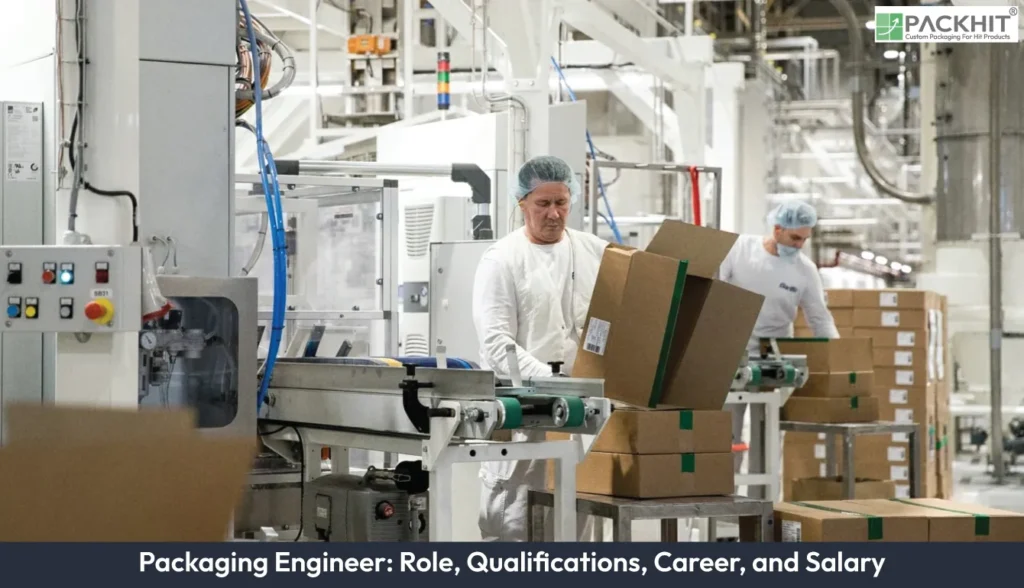
A packaging engineer is a professional who designs, develops, tests, and optimizes packaging systems to protect products, improve manufacturing efficiency, meet regulatory requirements, and support sustainability objectives throughout the product lifecycle. The role of a packaging engineer includes selecting packaging materials, developing structural designs, evaluating packaging performance, managing production processes, ensuring regulatory compliance, and improving packaging through testing, risk assessment, and continuous optimization. Becoming a packaging engineer typically requires relevant qualifications in packaging engineering or related disciplines, along with knowledge of materials science, structural design, manufacturing processes, computer-aided design (CAD), sustainability principles, and packaging regulations. Packaging engineering offers career opportunities across entry-level, mid-level, senior, and specialized roles in areas such as sustainable packaging, automation, smart packaging, regulatory compliance, and materials research. Salary levels vary depending on experience, technical specialization, industry sector, geographic location, and leadership responsibilities, with additional career growth driven by emerging technologies such as automation, artificial intelligence (AI), advanced materials, and sustainable packaging innovation.
- Role of a Packaging Engineer
- Qualifications Required to Become a Packaging Engineer
- How Packaging Engineers Manage Packaging Risks and Design Decisions?
- What Career Paths are Available for Packaging Engineers?
- Average Salary for a Packaging Engineer
- How Will Sustainable Packaging Reshape Engineering Careers?
- How Will Automation, AI, and Advanced Materials Expand Opportunities in Packaging Engineering?
Role of a Packaging Engineer
Packaging engineers design, develop, and optimize packaging systems that protect products during transportation, storage, and use while meeting functional, aesthetic, and branding requirements. Their responsibilities include selecting appropriate materials, creating prototypes, developing structural designs (the physical shape, strength, and configuration of packaging components), and ensuring compliance with industry standards and regulations. They also oversee manufacturing processes such as cutting, folding, and assembly to ensure packaging meets quality and size specifications, often using dieline diagrams (technical templates that define package cuts, folds, and assembly points before production).
In addition, packaging engineers manage packaging redesign projects to address changing regulatory requirements, such as FDA compliance for food and pharmaceutical products, while integrating sustainable practices through recyclable materials, waste reduction, and improved production efficiency. Their work may involve evaluating materials science (the study of material properties such as strength, barrier performance, durability, and recyclability) to select packaging solutions suitable for specific product requirements.
Qualifications Required to Become a Packaging Engineer
A Packaging Engineer typically holds a bachelor’s degree in packaging engineering, mechanical engineering, or a related field. Coursework often includes materials science (understanding how packaging materials behave under conditions such as impact, temperature, moisture, and stress), structural design, and manufacturing processes.
Certifications can further enhance a candidate’s qualifications. Examples include the Certified Packaging Professional (CPP) credential and certifications in quality or reliability engineering. These credentials support knowledge in areas such as material selection, sustainability practices, and regulatory compliance (meeting required safety, quality, and industry standards for specific product categories).
Essential Skills
Essential skills required to become a packaging engineer are as follows:
- Computer-Aided Design (CAD): Ability to use CAD software to create, test, and modify packaging structures, components, and production drawings.
- Material Evaluation: Understanding how materials perform in areas such as strength, protection, barrier properties, cost, and environmental impact.
- Sustainability Knowledge: Understanding concepts such as life-cycle assessment (evaluating environmental impacts of packaging from material sourcing through production, use, and disposal) and sustainable material selection.
- Regulatory Knowledge: Ability to interpret packaging requirements, testing standards, and compliance expectations for industries such as food, pharmaceuticals, and consumer goods.
How Packaging Engineers Manage Packaging Risks and Design Decisions?
Packaging engineers balance multiple factors when developing or improving packaging systems, including product protection, material selection, manufacturing feasibility, sustainability goals, and cost considerations.
Common challenges packaging engineers help prevent include:
- Product Damage During Handling or Transport: Engineers evaluate structural strength, cushioning, load requirements, and package durability to reduce risks such as crushing, leakage, breakage, or contamination.
- Material Compatibility Issues: Selecting unsuitable materials can affect product safety, shelf life, barrier performance, or recyclability. Engineers assess material properties and application requirements before finalizing packaging designs.
- Regulatory or Compliance Risks: Packaging used for industries such as food, pharmaceuticals, or healthcare must meet applicable safety and regulatory requirements. Engineers review designs and materials to help ensure compliance.
- Manufacturing and Process Limitations: A design that performs well in testing may still require adjustments if it creates production challenges, increases waste, or cannot be manufactured efficiently.
When evaluating packaging improvements, engineers typically consider trade-offs between:
- Protection vs. Material Reduction: Reducing material use can support sustainability goals, but the package must still provide adequate protection throughout storage and transportation.
- Cost vs. Performance: Lower-cost materials or simpler designs may reduce expenses but must still meet durability, quality, and customer requirements.
- Sustainability vs. Manufacturing Requirements: Alternative materials may offer environmental benefits but need to be evaluated for availability, processing requirements, and compatibility with existing production systems.
Packaging redesign or further testing may be required when issues such as repeated product damage, failed performance tests, regulatory changes, material shortages, or manufacturing inefficiencies are identified. After implementation, packaging engineers often continue monitoring performance, reviewing feedback, and making improvements to maintain product protection, quality, and production efficiency.
What Career Paths are Available for Packaging Engineers?
Packaging engineers can specialize in areas such as sustainable packaging development, automation systems, smart packaging technologies, regulatory compliance, and materials research.
Entry-Level Roles
Entry-level packaging engineers typically begin as packaging design engineers, product development assistants, or testing engineers. These roles involve supporting packaging design projects, conducting material testing, creating prototypes, and assisting with production improvements.
Mid-Level Roles
With experience, packaging engineers can move into positions such as packaging project engineers, packaging development specialists, or quality and compliance engineers. These roles involve managing projects, improving packaging performance, coordinating with suppliers, and ensuring products meet industry standards.
Senior-Level Roles
Experienced professionals may advance to roles such as packaging development manager, packaging engineering manager, or Innovation Lead. Senior engineers oversee large-scale projects, develop sustainability strategies, manage teams, and drive improvements in packaging technology and design.
Specialized Career Opportunities
Packaging engineers can also specialize in areas such as sustainable packaging development, automation systems, smart packaging technologies, regulatory compliance, and materials research. These specialized fields are growing as industries focus on reducing environmental impact and adopting advanced manufacturing solutions.
Average Salary for a Packaging Engineer
Packaging engineer compensation varies by experience, industry, and geographic location; reported figures may typically range from $65,000 to $118,000 annually. Entry-level positions generally start at the lower end of the range, while senior roles in high-demand industries can command salaries at the upper end. Growing demand for expertise in sustainability and smart packaging technologies may further enhance earning potential.
According to the U.S. Bureau of Labor Statistics, the competitive salary range may reflect the specialized skills and technical expertise required for the role. Additionally, the growing emphasis on sustainability and smart packaging technologies is expected to further enhance earning potential in the field.
How Will Sustainable Packaging Reshape Engineering Careers?
Sustainable packaging is reshaping engineering careers by requiring engineers to balance environmental impact with product safety, performance, cost, and regulations. They must design packaging that uses fewer materials, improves recyclability, and works with existing production systems.
This requires knowledge of materials science, life-cycle assessment, sustainability standards, and circular economy principles. Career opportunities are growing in sustainable design, compliance, green manufacturing, and packaging assessment.
As smart packaging, automation, and digital tools expand, future packaging engineers will need strong technical, testing, and sustainability skills.
How Will Automation, AI, and Advanced Materials Expand Opportunities in Packaging Engineering?
Automation, artificial intelligence (AI), and advanced materials can create new opportunities in packaging engineering by supporting improved design accuracy, production efficiency, and product performance. These technologies are influencing the role of Packaging engineers by expanding their involvement beyond traditional design and manufacturing tasks into more technology-focused activities.
- Automation in packaging systems can increase the need for engineers who understand automated production lines, robotics, smart manufacturing systems, and process optimization. Packaging engineers may work with these technologies to improve production consistency, reduce process issues, and evaluate manufacturing efficiency.
- Artificial intelligence (AI) can support packaging design and decision-making by assisting with simulations, predictive analysis, and data-based evaluations. Engineers may use AI-enabled tools to explore packaging structures, evaluate material usage, identify potential performance concerns, and improve design workflows.
- Advanced materials are contributing to new approaches in areas such as lightweight packaging, biodegradable materials, smart packaging, and protective solutions. Engineers with knowledge of materials science can help evaluate whether these materials meet requirements related to product protection, sustainability goals, manufacturing compatibility, and regulatory expectations.
As these technologies continue to develop, packaging engineers may find expanding opportunities in areas such as digital design, automation engineering, sustainable innovation, material development, and smart packaging systems. Future roles are likely to require a combination of technical knowledge, problem-solving ability, and familiarity with evolving design and manufacturing technologies.