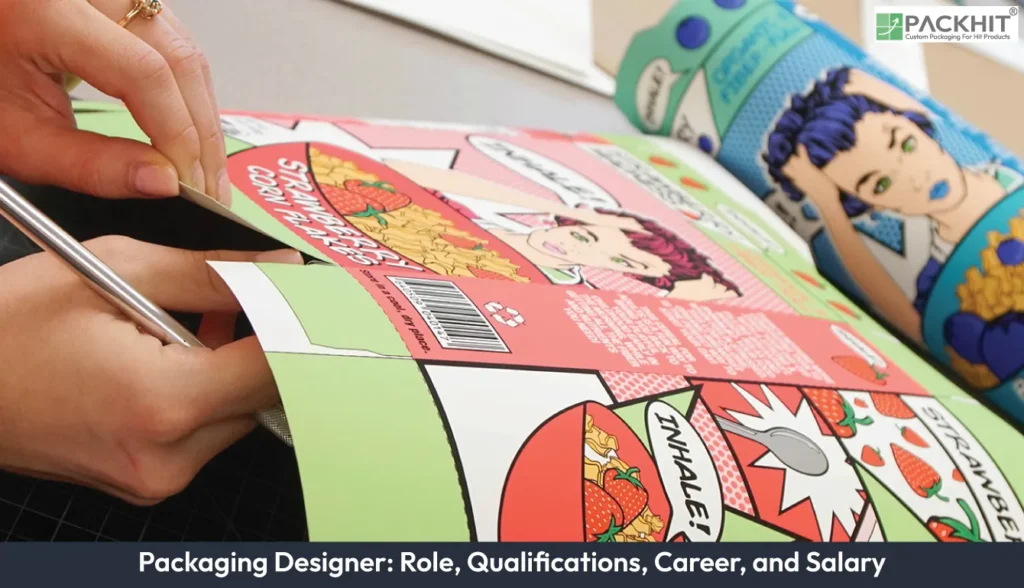
A packaging designer is a professional who develops packaging that combines product protection, functionality, and manufacturability while supporting brand identity and customer experience. The role of a packaging designer involves creating structural and graphic packaging concepts, selecting suitable materials, preparing production-ready designs, collaborating with manufacturers and clients, and ensuring packaging meets production requirements. Becoming a packaging designer typically requires relevant qualifications in design or packaging disciplines, knowledge of packaging materials, manufacturing processes, printing technologies, design software, and practical industry experience supported by a strong portfolio. Packaging designers can progress through career paths ranging from junior and senior designers to art directors, creative directors, or specialized consultants in areas such as sustainable or luxury packaging. Salary levels vary according to experience, technical expertise, industry sector, geographic location, specialization, and leadership responsibilities, offering strong opportunities for long-term career growth in the packaging industry.
- What is the Role of a Packaging Designer?
- Qualifications Required to Become a Packaging Designer
- Degree or Diploma in a Relevant Field
- Knowledge of Packaging Materials
- Proficiency in Packaging Design Software
- Knowledge of Printing Technologies
- Career Paths for Packaging Designers
- What is the Average Salary for Packaging Designers?
- What Tools Do Packaging Designers Use?
- How are Emerging Trends Shaping the Role of Packaging Designers?
What is the Role of a Packaging Designer?
Packaging designers are tasked with conceptualizing and executing designs that balance functionality, aesthetics, and brand alignment. Their responsibilities include determining the shape, size, and material of packaging, as well as incorporating graphics, typography, and finishes to create a cohesive design. Packaging designers collaborate with clients to understand business objectives, ensuring the final product meets both practical and marketing requirements. These designers also oversee the production process, approving print proofs to maintain color accuracy and consistency.
Specific tasks of packaging designers may involve selecting finishes such as gloss coatings, metallic foils, embossing, or debossing based on brand positioning, shelf appearance, and production feasibility. They may also evaluate features such as clear windows for product visibility while ensuring the structure maintains product protection requirements. When considering sustainability, packaging designers select materials and structures that reduce environmental impact while still meeting factors such as product protection, transportation needs, shelf-life requirements, and manufacturing limitations.
Qualifications Required to Become a Packaging Designer
The qualifications required to become a packaging designer are as follows:
Degree or Diploma in a Relevant Field
Most packaging designers have a bachelor’s degree or diploma in packaging design, industrial design, graphic design, product design, or packaging engineering. These programs teach design principles, material selection, manufacturing processes, and product development, providing a strong foundation for a packaging design career.
Knowledge of Packaging Materials
Packaging designers should understand the properties of materials such as paperboard, corrugated board, plastics, glass, metal, and flexible packaging. This knowledge helps them select materials based on product-specific requirements, including protection against damage, moisture or contamination concerns, shipping conditions, desired shelf appearance, sustainability goals, and compatibility with available manufacturing processes.
Proficiency in Packaging Design Software
Employers typically expect designers to be proficient in industry-standard software such as Adobe Illustrator, Adobe Photoshop, ArtiosCAD, Esko Studio, or SolidWorks. These tools are used to create structural designs, graphics, prototypes, and production-ready artwork.
Knowledge of Printing Technologies
Packaging designers should understand common printing methods, including offset, flexography, gravure, digital, and screen printing. This helps them prepare artwork that achieves the desired print quality while remaining suitable for production.
Career Paths for Packaging Designers
Packaging designers typically begin their packaging careers in junior roles, where they gain experience and develop their skills under the guidance of senior designers. With time and expertise, they may advance to positions such as senior designer, art director, or creative director. Some professionals choose to establish independent design firms, offering specialized services to a diverse client base.
The profession also offers opportunities for specialization, such as sustainable packaging design or luxury packaging. These niches often require additional expertise in material science or high-end branding, respectively. Career progression is largely influenced by the quality of a designer’s portfolio, their ability to adapt to industry trends, and their proficiency in emerging technologies.
What is the Average Salary for Packaging Designers?
Packaging designer compensation varies by location and experience; reported figures often fall around a typical mid-five-figure range ($91,520 to $100,000).
Entry-level packaging designers typically earn less than experienced professionals who handle complex projects, specialize in structural packaging design, or lead creative teams. Designers working in industries with high demand for strong visual branding such as consumer goods, luxury products, technology, and healthcare may have greater earning opportunities due to the importance of packaging in these markets.
Senior designers, creative leads, and specialists with advanced knowledge of materials, manufacturing processes, and production workflows often have higher earning potential. Freelance packaging designers may experience greater income variation depending on project availability, client relationships, specialization, and the complexity of their assignments.
Building a strong portfolio, improving technical skills, learning industry-standard design software, and gaining knowledge of production processes can help packaging designers achieve long-term career growth and better compensation opportunities.
What Tools Do Packaging Designers Use?
Packaging designers use a combination of digital design, prototyping, measurement, and production tools to develop packaging that is visually effective and manufacturing-ready.
- Design Software: Tools such as Adobe Illustrator and Adobe Photoshop are used to create packaging graphics, prepare artwork files, manage typography and colors, and develop visual concepts for labels, cartons, and other packaging formats.
- Prototyping Tools: Physical samples, mockups, and prototype models help designers test packaging structures, evaluate usability, and identify production issues before full-scale manufacturing.
- 3D Modeling Software: Three-dimensional design tools help visualize packaging structures, product placement, folding concepts, and realistic product presentations before production.
- Measuring Tools: Rulers, calipers, and dimensional guides help verify package measurements, die-cut layouts, component fit, and structural accuracy for manufacturing requirements.
- Material Selection Tools: Material libraries, specifications, and testing information help designers compare options such as paperboard, corrugated materials, plastics, coatings, and finishes based on durability, appearance, sustainability, and production compatibility.
- Printing and Color Tools: Color management tools, print specifications, and proofing workflows help designers prepare artwork that matches intended colors, printing methods, and finishing requirements.
- Collaboration Tools: Project management and communication platforms support coordination between designers, manufacturers, suppliers, marketing teams, and other stakeholders during revisions and production preparation.
How are Emerging Trends Shaping the Role of Packaging Designers?
Emerging trends are transforming the role of packaging designers from simply creating attractive containers into developing solutions that balance branding, sustainability, technology, and consumer experience.
- One major trend is sustainability. Growing environmental concerns have pushed designers to use recyclable, biodegradable, and minimal materials while reducing waste. Packaging designers now work closely with manufacturers to create eco-friendly solutions that meet both consumer expectations and environmental goals.
- Another important trend is personalization and consumer engagement. Advances in digital printing and data-driven design allow brands to create customized packaging for specific audiences, regions, or occasions. Designers are increasingly using storytelling, unique graphics, and interactive elements to build stronger connections between brands and consumers.
- Technology integration is also changing packaging design. Features such as QR codes, augmented reality (AR), smart labels, and connected packaging allow consumers to access product information, trace origins, or interact with brands digitally. Designers must now consider how physical packaging can work together with digital experiences.
- The rise of e-commerce has further influenced packaging design. Products must now be designed for shipping, protection, and online visibility, where packaging images often serve as a consumer’s first impression. Designers are creating packaging that is durable, efficient, and visually appealing in digital marketplaces.
- Emerging trends are expanding the role of packaging designers into that of strategists, problem-solvers, and innovators. Modern packaging design requires a combination of creativity, environmental awareness, technological knowledge, and an understanding of consumer behavior.