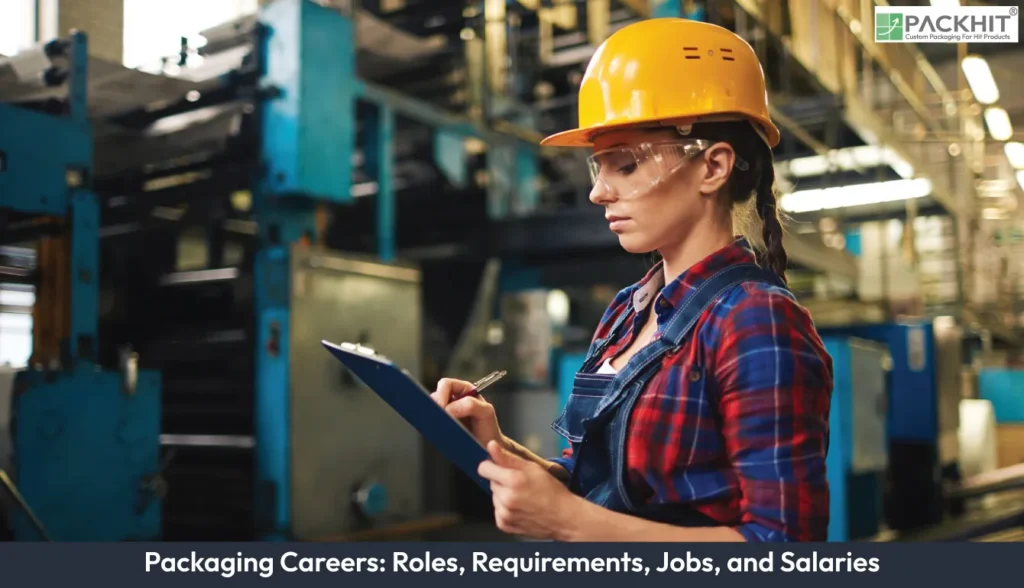
Packaging careers include engineering, design, operations, supply chain, and management roles that support different stages of the packaging lifecycle, from product development to manufacturing and distribution. These careers encompass a wide range of responsibilities, including packaging engineering, design, production, quality assurance, sustainability, logistics, and regulatory compliance. Educational and skill requirements vary by role but generally combine technical knowledge, industry-specific expertise, practical experience, and problem-solving abilities. The packaging industry also offers diverse job opportunities across entry-level, mid-level, senior, and specialized positions in sectors such as food, pharmaceuticals, consumer goods, and e-commerce. Salary ranges vary depending on the job role, experience, technical specialization, industry sector, geographic location, and organizational responsibilities, providing multiple pathways for career growth and professional advancement.
- Roles and Responsibilities in Packaging Careers
- Packaging Engineer
- Packaging Designer
- Packaging Operator
- Packaging Manufacturer
- Sustainability Specialist
- Educational and Skill Requirements for Packaging Careers
- What Jobs are Available in the Packaging Industry?
- Salary Ranges in Packaging Careers
- How to Choose a Packaging Career Path?
Roles and Responsibilities in Packaging Careers
Each role within the packaging industry has distinct responsibilities that contribute to the overall success of packaging solutions. Below are some of the most prominent roles and their core functions:
Packaging Engineer
Packaging engineers are responsible for designing and testing packaging systems. They analyze material properties, develop prototypes, and conduct performance tests to ensure durability and compliance with industry standards. Their work often involves collaboration with product designers and supply chain teams.
Packaging Designer
Packaging designers focus on the aesthetic and functional aspects of packaging. They create designs that enhance brand identity while meeting practical requirements such as ease of use and manufacturability. Their work often involves software tools like Adobe Illustrator and CAD programs.
Packaging Operator
Packaging operators oversee the operation of packaging machinery, ensuring that production lines run smoothly. They are responsible for troubleshooting equipment issues, maintaining quality standards, and meeting production targets.
Packaging Manufacturer
Packaging manufacturers play a critical role in producing and distributing packaging solutions at scale. Key responsibilities include material procurement, assembly, quality control, and logistics management. Manufacturers often employ machine operators, supply chain analysts, and production supervisors to streamline operations and ensure the timely delivery of products.
Sustainability Specialist
Sustainability specialists focus on developing eco-friendly packaging solutions. They evaluate the environmental impact of materials and processes, implement recycling initiatives, and ensure compliance with sustainability regulations.
Educational and Skill Requirements for Packaging Careers
The educational and skill requirements for packaging careers vary depending on the role. However, most positions require a combination of technical knowledge, industry-specific skills, and practical experience.
- Educational Background: Roles such as packaging engineers typically require a bachelor’s degree in packaging science, mechanical engineering, or materials science. Designers often hold degrees in graphic design, industrial design, or a related field. Operational roles may require vocational training or certifications in machinery operation and maintenance.
- Technical Skills: Key technical skills include proficiency in CAD software for engineers, graphic design tools for designers, and machinery operation for production staff. Knowledge of material science, sustainability practices, and quality control processes is also essential.
- Soft Skills: Soft skills such as problem-solving, teamwork, and communication are critical across all roles. Project management and analytical skills are particularly valuable for leadership and planning positions.
What Jobs are Available in the Packaging Industry?
The packaging industry offers a diverse range of packaging job opportunities, catering to different expertise levels and spanning multiple sectors such as food and beverage, pharmaceuticals, consumer goods, and e-commerce. These roles encompass technical, creative, operational, and managerial domains, providing pathways for career growth and specialization. Below are categorized examples of available positions:
- Entry-Level Roles: Entry-level positions include packaging technicians, machine operators, and junior designers. These roles focus on practical, hands-on tasks such as assembling packaging, operating production equipment, preparing materials, and supporting design projects. They typically require vocational training, technical skills, or industry certifications.
- Mid-Level Roles: Mid-level positions include packaging engineers, production supervisors, and supply chain analysts. Professionals in these roles have a stronger understanding of materials, manufacturing processes, and logistics. They are responsible for improving production efficiency, ensuring product quality and safety, solving technical challenges, and coordinating teams and workflows.
- Senior Roles: Senior roles include packaging managers, creative directors, and sustainability consultants. These professionals oversee strategic decisions, innovation, and long-term planning. A packaging manager may lead packaging development projects, while a creative director ensures that packaging designs reflect the brand’s identity. Sustainability consultants focus on developing environmentally responsible packaging solutions and ensuring compliance with sustainability goals.
- Specialized Roles: Specialized positions include quality assurance specialists, automation engineers, and regulatory compliance officers. These roles require advanced technical knowledge and focus on specific areas such as testing packaging performance, implementing automated production systems, and ensuring that packaging meets industry regulations and safety standards.
The increasing demand for sustainable and innovative packaging solutions is further driving the creation of niche roles, such as circular economy specialists and digital packaging strategists. This evolution highlights the industry’s dynamic nature and its adaptability to technological advancements and environmental priorities.
Salary Ranges in Packaging Careers
According to U.S. compensation data from sources such as the Bureau of Labor Statistics (BLS) and industry salary surveys, compensation in packaging-related careers varies significantly by role, experience, location, and specialization. Entry-level operational positions may typically range from approximately $35,000 to $55,000 annually, while technical roles such as packaging engineers may range from $65,000 to $110,000 annually. Creative positions, including packaging designers, generally range from $50,000 to $90,000 annually, depending on experience and portfolio strength. Senior-level roles, including packaging managers, creative directors, and specialized sustainability leaders, may exceed $100,000 to $130,000+ annually based on responsibilities and industry demand.
How to Choose a Packaging Career Path?
Choosing a packaging career path depends on your background, preferred type of work, technical interests, and long-term goals. Different roles involve different skill requirements, work environments, and career trade-offs.
- Engineering Path: Packaging engineering is a strong fit for individuals interested in materials, product protection, testing, problem-solving, and technical optimization. This path typically benefits from knowledge of engineering principles, materials science, CAD tools, and performance testing. The trade-off is that it often requires deeper technical specialization and may involve more analytical or laboratory-based work.
- Design Path: Packaging design suits individuals with strengths in creativity, visual communication, branding, and user experience. Skills in graphic design software, typography, color theory, and production-ready artwork preparation are valuable. The main challenge is balancing creative goals with manufacturing limitations, print requirements, and brand consistency.
- Operations and Manufacturing Path: Production-focused roles are suitable for individuals interested in machinery, process improvement, quality control, and hands-on manufacturing environments. Technical training, equipment knowledge, and safety practices are often important. These roles may involve on-site responsibilities and shift-based production schedules.
- Supply Chain and Logistics Path: Supply chain roles fit individuals who enjoy planning, coordination, data analysis, and improving material flow. Skills in inventory management, logistics systems, and process optimization are useful. These positions typically focus less on product creation and more on efficiency, cost control, and delivery performance.
- Sustainability and Innovation Path: Sustainability-focused careers are suitable for professionals interested in environmental impact, material alternatives, recycling systems, and regulatory requirements. Knowledge of sustainable materials, compliance standards, and lifecycle assessment concepts can support growth in this area.
When selecting a packaging career path, consider the balance between creative work, technical depth, manufacturing involvement, and business decision-making. Building relevant skills, certifications, software knowledge, and industry experience can help professionals transition between packaging roles as their interests and expertise develop.