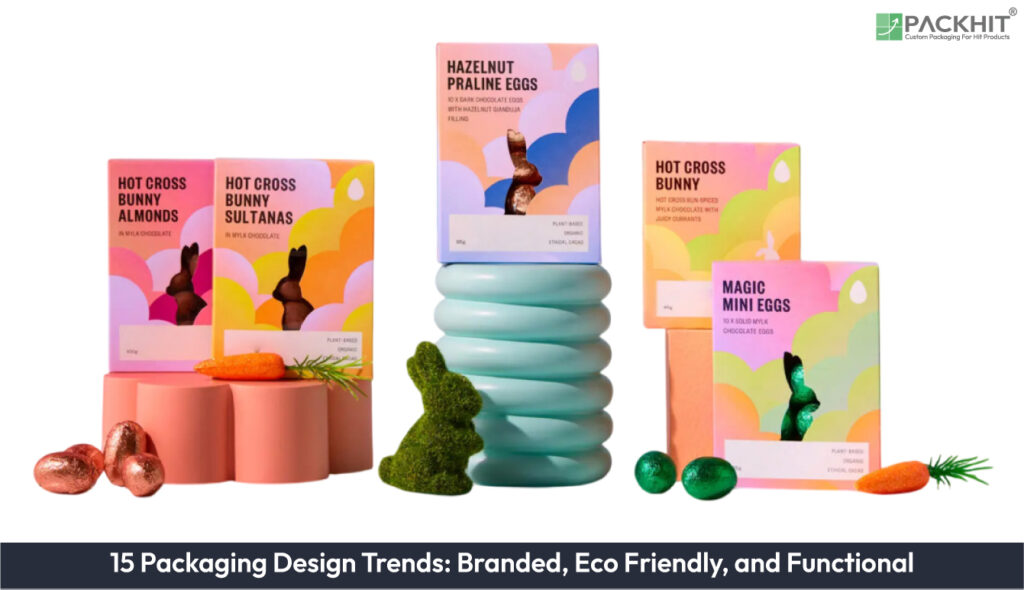
Packaging design trends emphasize bold aesthetics, sustainability, and user-friendly features to meet modern consumer demands. Key packaging design trends include the use of bold typography and visual hierarchy, along with neon and vibrant color palettes to attract attention, especially among younger audiences. Storytelling through packaging is gaining traction, using illustrations and thematic designs to connect emotionally with consumers. Luxury brands are adopting premium materials and finishes. Recycled and recyclable materials are becoming standard, while biodegradable and compostable solutions address environmental concerns. Minimalist and low-waste designs reduce excess and production costs. Water-based and non-toxic inks support eco-friendly printing.
Smart packaging trends add QR codes and NFC tags. Resealable and multi-use packaging increases convenience and product life. Ergonomic and user-centric designs improve accessibility and ease of use. Lightweight but durable materials lower shipping costs and environmental impact. Anti-counterfeit features such as holograms and tamper-evident seals enhance product security. Transparent and windowed packaging builds consumer trust by revealing product contents. Finally, modular and stackable designs improve space efficiency in storage and transport
Fifteen packaging design trends are given below:
- 1. Bold Typography and Visual Hierarchy
- 2. Neon and Vibrant Color Palettes
- 3. Storytelling Through Packaging
- 4. Premiumization Through Material and Finish
- 5. Recycled and Recyclable Materials
- 6. Biodegradable and Compostable Solutions
- 7. Minimalist and Low-Waste Design
- 8. Water-Based and Non-Toxic Inks
- 9. Smart Packaging with Embedded Technology
- 10. Resealable and Multi-Use Packaging
- 11. Ergonomic and User-Centric Designs
- 12. Lightweight and Durable Materials
- 13. Anti-Counterfeit Features
- 14. Transparent and Windowed Packaging
- 15. Modular and Stackable Designs
1. Bold Typography and Visual Hierarchy
Typography in packaging design has shifted towards bold, modern fonts that enhance readability and can help establish a strong brand identity. It emphasizes the use of oversized text, unconventional layouts, and high-contrast color schemes to capture consumer attention. Compared to the minimalist typography of previous years, this approach prioritizes immediate visual impact, particularly in competitive retail environments. It is suitable for highly competitive retail environments when aiming to capture immediate consumer attention and establish strong brand identity. To keep your design clean and easy to read, it is important to limit unconventional layouts, balance text with space, and choose clear fonts.
2. Neon and Vibrant Color Palettes
Neon colors and saturated hues are increasingly employed to assist in creating visually striking packaging. These palettes can be effective in industries targeting younger demographics, such as beverages and cosmetics. The use of vibrant colors can not only enhance shelf visibility but also help communicate energy and modernity, aligning with brands seeking to project a dynamic image. It is better suited for beverage and cosmetics industries targeting younger demographics when seeking to project a dynamic and modern image. Be careful not to push away loyal, long-time buyers or make changes that do not fit simple product designs.
3. Storytelling Through Packaging
Packaging is now a medium for storytelling, with brands incorporating visual narratives that resonate with their target audience. Illustrations, hand-drawn elements, and thematic designs can aid in reflecting brand values or product origins. For example, artisanal food brands often use rustic, textured materials and hand-drawn graphics to evoke authenticity and craftsmanship. It is most appropriate for artisanal food and boutique brands when needing to reflect brand values and authenticity. Avoid making the design too complex and hiding important rules or details about the product.
4. Premiumization Through Material and Finish
Luxury brands are using matte finishes, foil stamping, and embossing to enhance the perceived value of their products. Brands using these design elements typically create a tactile and visual experience that can align with consumer expectations for premium goods. Compared to glossy finishes, matte textures are increasingly associated with sophistication and understated elegance. It is better suited for luxury goods and premium product lines when aiming to create a sophisticated tactile and visual experience. Be careful about increased production complexity and potential negative impacts on recyclability (e.g., certain metallic foil stamps).
5. Recycled and Recyclable Materials
The integration of recycled materials into packaging design has become a critical trend, with brands aiming to meet consumer demand for sustainability. Coca-Cola, for instance, has publicly discussed goals to increase recycled content in packaging over future years. Recyclable designs, such as mono-material packaging, further facilitate waste reduction and align with global sustainability goals. This design is preferred for mass-market consumer goods when aligning with global sustainability goals and eco-conscious consumer demand. Recycled plastics can be weaker and harder to use than brand-new plastics.
6. Biodegradable and Compostable Solutions
Biodegradable materials, including plant-based plastics and compostable films, are gaining traction as alternatives to traditional polymers. These materials can be decomposed under natural conditions, reducing environmental impact. These materials are preferred for the food and beverage industries where single-use packaging is prevalent, when aiming to reduce environmental impact through natural decomposition. It is important to ensure strict disposal requirements (e.g., industrial vs. home composting) that can confuse consumers and lead to improper disposal.
7. Minimalist and Low-Waste Design
Minimalist packaging, characterized by reduced material usage and simplified designs, can address both aesthetic and environmental concerns. By eliminating unnecessary layers and components, brands can lower production costs while appealing to eco-conscious consumers. This trend is particularly evident in e-commerce, where compact, lightweight packaging may reduce shipping emissions. Be careful with weak packaging; items might break during rough shipping or messy warehouse storage.
8. Water-Based and Non-Toxic Inks
The adoption of water-based and non-toxic inks in printing processes reflects a broader commitment to sustainability. Using these can help reduce harmful emissions during production and ensure that packaging can remain safe for recycling or composting. This trend is particularly prominent in food and beverage packaging, where strict regulatory compliance for safety and safe recycling is critical. This packaging loses some color brightness and strength over time.
9. Smart Packaging with Embedded Technology
Smart packaging integrates technologies such as QR codes, NFC tags, and augmented reality to enhance consumer interaction. Real-time product information and authentication are possible with the help of smart packaging. For example, wine brands are using QR codes to share vineyard stories and pairing suggestions, enriching the consumer experience. This trend can be suitable for interactive retail and high-engagement products when providing real-time information or authentication is desired. Make sure not to alienate consumers who lack compatible devices or the desire to engage digitally.
10. Resealable and Multi-Use Packaging
Resealable designs, such as zip locks and twist caps, may help improve product longevity and convenience. Multi-use packaging, which can be repurposed after the product is consumed, aligns with consumer preferences for functional and sustainable solutions. This is common in food and personal care sectors, when product longevity, convenience, and post-consumption repurposing are top priorities. Check the seal over time because it might leak or cost more to make.
11. Ergonomic and User-Centric Designs
Ergonomic packaging prioritizes ease of use, with features such as contoured shapes, easy-grip surfaces, and intuitive opening mechanisms. These designs can enhance user satisfaction and accessibility, particularly for elderly or differently-abled consumers. For instance, pharmaceutical packaging now often includes push-and-turn caps with clear instructions. Ensure not to use non-standard shapes that complicate bulk shipping or retail shelving efficiency.
12. Lightweight and Durable Materials
Advancements in material science have enabled the development of lightweight yet durable packaging solutions. These materials can help reduce transportation costs and carbon footprints while maintaining product protection. Flexible pouches and thin-walled containers are examples of this trend, widely adopted in the FMCG sector. There is a chance that lightweight flexible materials can feel less “premium” to the end consumer.
13. Anti-Counterfeit Features
To combat counterfeiting, brands are incorporating security features such as holograms, tamper-evident seals, and blockchain-enabled tracking. Measures like these can not only protect brand integrity but can also enhance consumer trust. High-value industries, including pharmaceuticals and luxury goods, are leading adopters of these technologies. To protect products, manufacturers must take more steps to build items and teach buyers how to check real safety features, but this can add extra work and costs for companies.
14. Transparent and Windowed Packaging
Transparent materials and windowed designs can allow consumers to view the product before purchase, fostering trust and helping reduce return rates. This trend can be particularly effective in food packaging, where visual appeal significantly influences purchasing decisions. Clear packaging also aligns with the broader trend of authenticity and openness in branding. Make sure that light exposure does not degrade the product (e.g., UV damage, spoiling) or reveal messy product settling after transit.
15. Modular and Stackable Designs
Modular packaging, designed for efficient stacking and storage, optimizes supply chain logistics and retail displays. These designs are typically beneficial in e-commerce, where space efficiency directly impacts shipping costs. Examples include interlocking bottle shapes and collapsible containers, but rigid geometric constraints can limit creative and unique brand shapes.
The packaging design trends outlined above demonstrate the interplay between branding, sustainability, and functionality. By adopting these innovations, manufacturers can enhance product appeal, meet regulatory and consumer demands, and achieve operational efficiencies. As the packaging landscape continues to evolve, staying attuned to these trends will be essential for maintaining a competitive advantage.