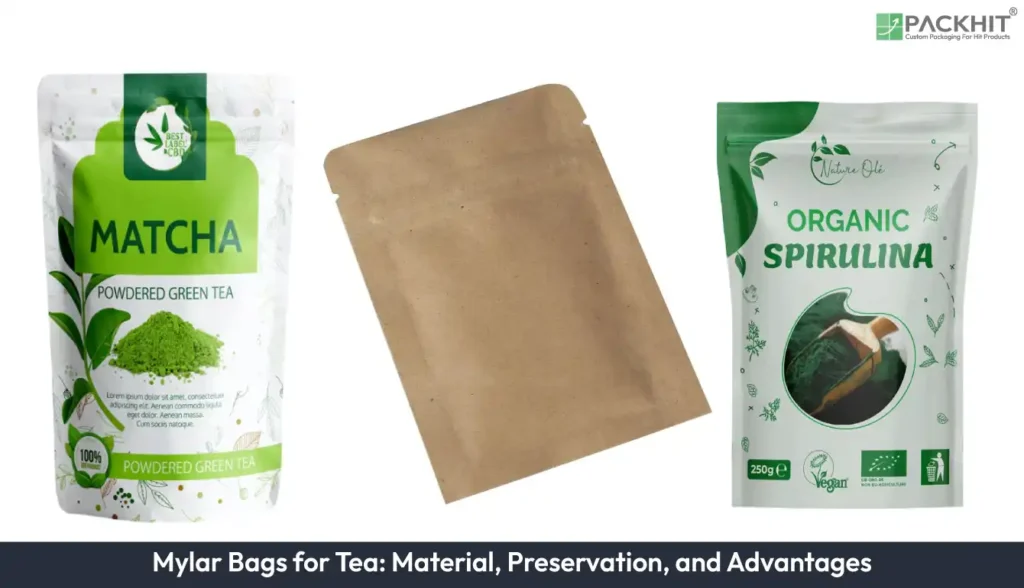
Multi-layered laminates, typically BoPET, aluminum foil, and polyethylene, are used in mylar bags for tea. These are designed to provide barriers against oxygen, moisture, and light. These layers help preserve tea quality by protecting volatile aromatics and maintaining dryness through effective sealing, though performance depends on storage conditions. While mylar bags can offer operational efficiency, customization, and extended shelf life compared to traditional packaging, they present recycling challenges and higher initial costs. Overall suitability and cost-effectiveness depend on the specific tea type, packaging process, and storage requirements.
Material Composition of Mylar Bags for Tea
Mylar tea bags are primarily composed of BoPET, a polyester film that is biaxially stretched to enhance its mechanical and barrier properties. The core material is often laminated with additional layers such as aluminum foil, polyethylene (PE), or polypropylene (PP) to achieve specific functional attributes. The aluminum layer, for instance, acts as a high-barrier shield against oxygen and light, while the polyethylene layer provides heat-sealing capabilities and moisture resistance. These multi-layered laminates are typically 12-25 microns thick, depending on the application requirements, and are designed to balance flexibility with durability.
Barrier Performance of BoPET
The biaxial orientation of BoPET imparts high tensile strength, dimensional stability, and resistance to tearing, making mylar tea bags suitable for both manual and automated packaging processes. Additionally, the material exhibits low permeability to gases and water vapor, with oxygen transmission rates (OTR) and water vapor transmission rates (WVTR) depending on laminate structure, thickness, and seal integrity. These properties are critical for preventing oxidation and moisture ingress, which are primary causes of tea spoilage.
Note: Performance varies by laminate structure, thickness, seals, and storage conditions. Where available, state the applicable test method and conditions for OTR and WVTR values, and avoid implying that every Mylar tea bag achieves the same barrier performance. Recyclability is not universal and depends on local facility capabilities and the specific laminate construction.
How is Flavor and Freshness Preserved in Mylar Bags for Tea?
Mylar tea bags preserve flavor and freshness by creating a controlled microenvironment that minimizes exposure to external contaminants. The aluminum foil layer, in particular, acts as a barrier to light and oxygen, both of which can degrade the volatile compounds responsible for tea’s aroma and taste. By preventing oxidative reactions, mylar tea bags maintain the integrity of polyphenols, catechins, and essential oils, which are key contributors to tea’s sensory profile.
Moisture Control Mechanisms
Moisture is a critical factor in tea degradation, as it can lead to microbial growth, clumping, and loss of crispness. The low WVTR of mylar tea bags ensures that ambient humidity does not penetrate the packaging, thereby maintaining the tea’s dry state. For teas with hygroscopic properties, such as green and white teas, this moisture barrier is particularly vital in preserving their delicate flavors and textures.
Protection Against Volatile Contaminants
In addition to oxygen and moisture, mylar tea bags shield against volatile organic compounds (VOCs) and odors that can compromise tea quality. The multi-layered structure prevents the ingress of external odors while also containing the tea’s natural aroma, ensuring that the product remains uncontaminated during storage and transportation.
Key Advantages of Using Mylar Bags for Tea
Mylar tea bags provide numerous advantages for manufacturers, offering functional and operational benefits that align with packaging efficiency and product protection. Key advantages include:
- Lightweight Design: The thin and flexible structure of mylar tea bags reduces overall shipping weight, minimizing transportation costs without compromising durability.
- Enhanced Durability: The multi-layered composition resists punctures, tears, and environmental impact, ensuring the safe storage and transportation of tea products.
- Effective Sealability: The polyethylene layer supports heat-sealing, creating airtight closures that can help reduce leaks, contamination, and spoilage, depending on seal quality.
- High-Speed Packaging Compatibility: Mylar tea bags are compatible with automated machinery, enabling manufacturers to streamline production processes and increase operational efficiency.
- Extended Shelf Life: Advanced barrier properties protect against oxygen, moisture, and light, supporting consistent quality, though performance depends on the specific laminate structure and storage conditions.
Customizability and Branding Opportunities
Mylar tea bags offer extensive customization options, allowing manufacturers to align packaging design with their branding and marketing strategies. Specific features include:
- Surface Finishes: Options such as matte, glossy, and metallic finishes enhance aesthetic appeal and differentiate products on store shelves.
- High-Resolution Printing: Compatibility with advanced printing techniques ensures clear and detailed graphics for logos, product descriptions, and regulatory compliance information.
- Flexible Dimensions: Mylar tea bags can be tailored to various sizes and shapes, accommodating diverse product quantities and packaging preferences.
- Consumer Engagement: Custom designs and branding elements create a memorable visual identity that resonates with customers, improving product visibility and appeal.
How Do Mylar Tea Bags Compare to Other Packaging Options?
Compared to traditional paper or plastic tea bags, mylar tea bags provide superior barrier properties and durability. While paper bags are biodegradable, they lack the moisture and oxygen resistance required for long-term storage. Plastic bags, on the other hand, may offer some level of protection but are prone to tearing and have higher permeability rates. Mylar-based packaging combines resistance with strength. Its suitability for premium products should be evaluated against specific storage and application requirements.
Environmental Considerations
Although mylar tea bags are not inherently biodegradable, they can be recycled under specific conditions. Manufacturers are increasingly exploring eco-friendly laminates and coatings to enhance the sustainability of mylar-based packaging. Innovations such as bio-based polyester films and recyclable aluminum layers are being developed to address environmental concerns without compromising performance.
What are the Limitations of Mylar Tea Bags?
Despite their advantages, mylar tea bags have certain limitations. The multi-layered structure, while effective for barrier protection, complicates recycling due to the difficulty of separating the layers. Additionally, the production of aluminum foil and polyester involves energy-intensive processes, which contribute to their carbon footprint. Manufacturers must weigh these factors against the functional benefits when selecting packaging materials.
Cost Implications
The advanced materials and manufacturing processes used in mylar tea bags result in higher costs compared to simpler packaging options. However, the mitigation of spoilage-related losses and extended shelf life can offset these costs by reducing overall inventory waste.