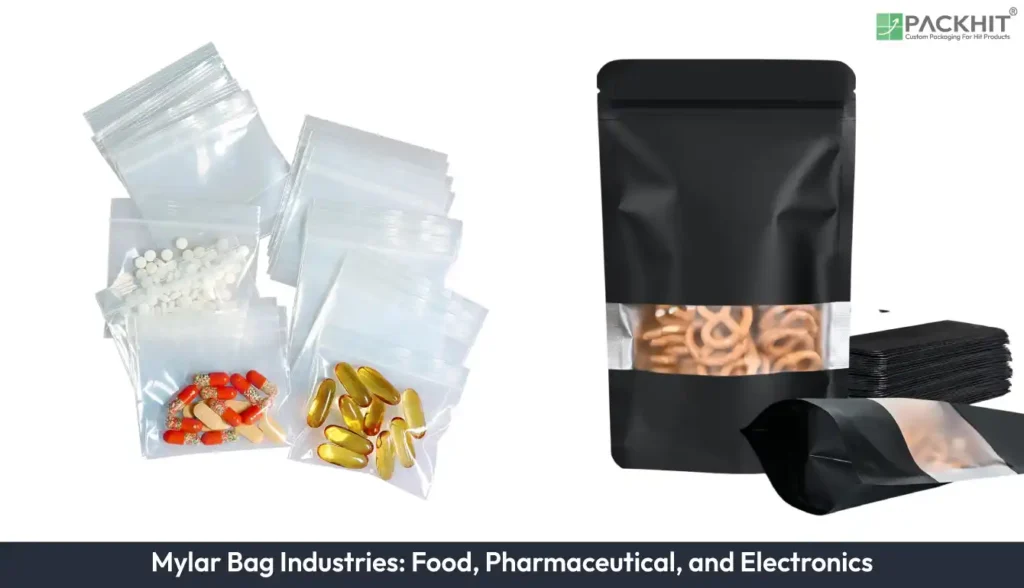
Mylar bags serve as critical packaging solutions across the food, pharmaceutical, and electronics industries, offering superior protection against moisture, oxygen, and light. In the food sector, they preserve freshness and extend shelf life through airtight sealing, low oxygen transmission rates, and compatibility with vacuum sealing. For pharmaceuticals, mylar bags ensure the stability and safety of sensitive formulations by meeting rigorous regulatory standards, utilizing multi-layer designs to block UV rays and prevent contamination. In electronics, they protect delicate components like semiconductors and circuit boards from electrostatic discharge and environmental factors through anti-static coatings and durable barriers. Customization, such as resealable zippers for food, UV-blocking laminations for pharmaceuticals, and puncture-resistant layers for electronics, further enhances their functionality. To maximize effectiveness, manufacturers should evaluate specific packaging requirements, such as barrier properties and sealing methods, against the intended application and storage environment.
Applications in the Food Industry
Perishable and non-perishable goods require distinct barrier environments to prevent contamination and degradation, a need that mylar bags address through customizable airtight sealing. Common applications range from vacuum-sealed coffee and dried fruits to oxygen-absorbing pouches designed for multi-year storage. By maintaining a consistently low oxygen transmission rate (OTR) and moisture vapor transmission rate (MVTR), these containers preserve the flavor, nutritional profile, and texture of food products, serving as a versatile standard for modern manufacturers. However, the overall efficacy of these barrier properties depends on achieving a consistent, airtight seal, which should be verified during the packaging process.
Why are mylar Food Storage Bags Preferred for Long-Term Food Storage?
Mylar food storage bags are ideal for long-term food storage because they create a near-impermeable barrier against oxygen and moisture, which are the primary causes of food spoilage. When properly selected, sealed, and used with suitable oxygen absorbers, Mylar bags may help reduce oxygen exposure and extend storage life. However, results may depend on the product, packaging construction, seal integrity, and storage conditions. For pharmaceutical applications, suitability and protection depend on the complete validated packaging system and intended use.
Role in Pharmaceutical Packaging
For pharmaceuticals packaging, mylar bags may help protect sensitive formulations, but suitability, testing, safety, and regulatory compliance depend on the complete packaging system, formulation or device, intended use, and applicable requirements. Verify the specific construction with qualified packaging and regulatory professionals.
How Do Mylar Bags Ensure Drug Stability?
Drug stability is achieved in mylar bags through their multi-layer design, which minimizes exposure to external conditions. The aluminum layer blocks harmful UV rays, while the polymer layers prevent moisture ingress and oxygen permeation. This combination is particularly critical for hygroscopic drugs and light-sensitive formulations, which are prone to degradation under improper storage conditions.
Applications in Electronics Packaging
The electronics industry utilizes mylar bags to protect delicate components, such as semiconductors, printed circuit boards, and sensors, from electrostatic discharge (ESD), moisture, and physical damage. Anti-static variants of mylar bags are specifically designed to neutralize static electricity, ensuring that sensitive electronic parts remain undamaged during storage and transportation. Their durability adds another layer of protection, safeguarding components against mechanical stress.
What Makes Electronics Mylar Bags Suitable for ESD Protection?
Mylar bags designed for electronics are suitable for ESD protection and incorporate dissipative or conductive layers that can neutralize static charges. These layers are often created using metallic coatings or specialized polymers. Additionally, the bags act as a moisture barrier, maintaining the functionality of electronic components even in high-humidity conditions. This dual functionality makes them indispensable for electronics manufacturers aiming to ensure product reliability.
How Are Mylar Bags Customized for Specific Industries?
Customization of mylar bags is a process that addresses the unique requirements of the food, pharmaceutical, and electronics sectors. Advanced printing methods, including flexographic and rotogravure printing, enable precise branding and detailed labeling, ensuring compliance with industry regulations and consumer expectations. Additionally, specific features are incorporated to enhance functionality:
- Food Industry: Mylar bags for food packaging often include one-way degassing valves to release carbon dioxide in products like coffee, resealable zippers for convenience, and oxygen-absorbing layers that are intended to help reduce oxygen levels and extend shelf life, depending on the specific product, seal integrity, and storage conditions.
- Pharmaceuticals: Customizations such as multi-layered laminations with UV-blocking films and tamper-evident seals are designed to help support compliance with regulatory standards like FDA, GMP, and USP Class VI when used as part of a validated packaging system. The effectiveness of these safeguards is contingent upon the overall bag construction and environmental factors.
- Electronics: Anti-static coatings, puncture-resistant layers, and moisture barrier properties are added to protect delicate components like semiconductors from electrostatic discharge and environmental damage during storage and transport.
These customizations address specific packaging needs in the food, pharmaceutical, and electronics sectors, including freshness, formulation protection, and ESD protection. By matching features to each sector, manufacturers can protect food freshness, sensitive formulations, and electronic components during storage and transport.
