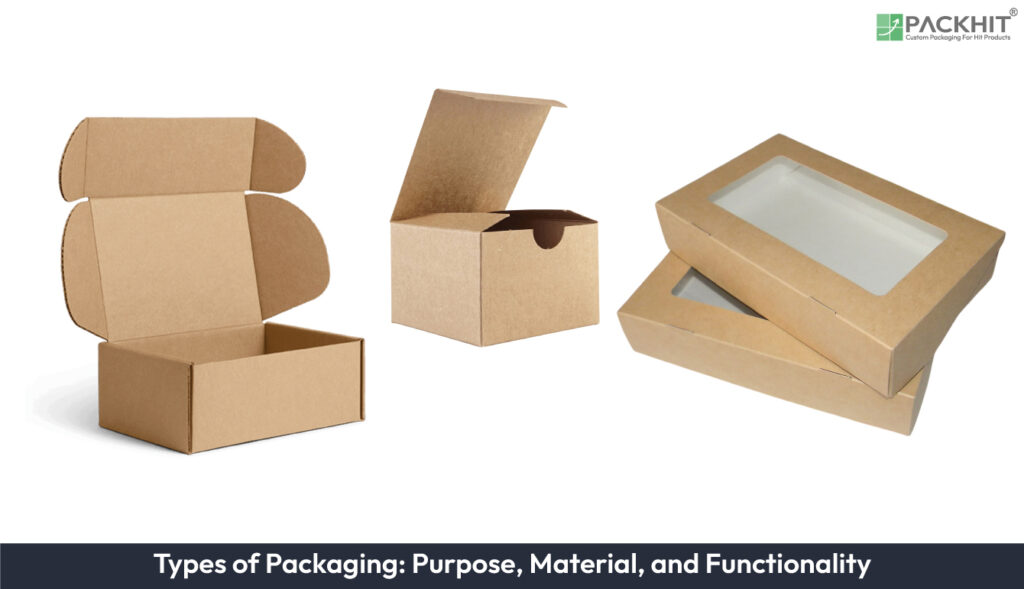
Packaging can be categorized into various types based on its purpose, materials used, structural design, and functional requirements. Packaging types include primary, secondary, tertiary, ancillary, sustainable, flexible, rigid, retail, product, e-commerce, and bulk packaging.
The following sections describe the key characteristics, commonly used materials, and typical applications of each packaging type, providing a clear understanding of their functions and suitability for different products and industries.
- 1. Primary Packaging
- 2. Secondary Packaging
- 3. Tertiary Packaging
- 4. Ancillary Packaging
- 5. Sustainable Packaging
- 6. Flexible Packaging
- 7. Rigid Packaging
- 8. Retail Packaging
- 9. Product Packaging
- 10. E-Commerce Packaging
- 11. Bulk Packaging
- Additional Considerations When Choosing Packaging
- Product Fragility and Protection Requirements
- Moisture, Light, Oxygen, and Temperature Sensitivity
- Transportation and Storage Conditions
- Material Selection and Performance Trade-Offs
- Production Volume and Automation Requirements
- Branding and Consumer Experience
- Sustainability and Regulatory Requirements
- Quick Packaging Selection Checklist
- Comparison of Common Packaging Types
- What is the Difference Between Primary and Secondary Packaging?
- Which Type of Packaging Offers the Greatest Protection?
- When is Tertiary Packaging Used?
- Is Sustainable Packaging Always Recyclable?
- How to Select the Right Packaging Type?
1. Primary Packaging
Primary packaging is the first layer of protection that directly encloses the product. Its primary function is to preserve the product’s integrity, prevent contamination, and facilitate consumer use. Examples include bottles for beverages, blister packs for pharmaceuticals, and shrink wraps for food items. Materials commonly used in primary packaging include plastics, glass, metal, and paperboard, selected based on the product’s physical and chemical properties.
Barrier Properties
Primary packaging materials protect products from moisture, light, oxygen, and contamination. PET is commonly used for beverages because of its durability, while glass provides an inert container for products sensitive to chemical interaction.
Common Applications
Food packaging uses vacuum-sealed bags to reduce oxygen exposure, pharmaceutical blister packs protect dosage integrity, and cosmetic containers improve both usability and product presentation.
2. Secondary Packaging
Secondary packaging must balance protection, stacking efficiency, and branding requirements. Corrugated fiberboard and cardboard cartons are commonly used because they provide structural support while allowing printed graphics and product information. In retail environments, secondary packaging may also include display-ready designs that reduce handling steps.
Design Considerations
Cardboard and corrugated fiberboard are the most common materials used in secondary packaging due to their lightweight, cost-effectiveness, and recyclability. Laminated paperboard is often employed for enhanced durability and printability.
Typical Applications
Secondary packaging plays a pivotal role in retail environments, where it is designed to attract consumer attention while protecting products during transit. For instance, corrugated boxes used for electronics often include foam inserts to prevent damage.
3. Tertiary Packaging
Tertiary packaging is designed for transporting and storing large quantities of products. Pallets, stretch wraps, crates, and shipping containers improve load stability and handling efficiency throughout warehouses and distribution networks. Materials such as HDPE stretch film, wood, and metal are selected for strength, stacking performance, and durability during long-distance transport.
Distribution Role
Tertiary packaging plays a critical role in the safe storage, handling, and transportation of products throughout the supply chain. Its effectiveness depends on proper pallet configuration, balanced load distribution, and appropriate stretch-wrap tension to keep goods stable during transit. Well-designed tertiary packaging minimizes product movement, reduces the risk of damage, and improves forklift handling and warehouse operations. It also enhances loading and unloading efficiency, supports secure long-distance transportation, and helps lower logistics costs by maintaining load stability and optimizing storage space.
4. Ancillary Packaging
Ancillary packaging refers to additional components that enhance the functionality or presentation of the primary, secondary, or tertiary packaging. Examples include labels, tamper-evident seals, and cushioning materials.
Functional Components
Ancillary packaging materials are often selected for their specific properties, such as adhesive strength for labels or shock absorption for foam inserts. These components are critical in ensuring compliance with regulatory standards and improving user experience.
Where It Is Used
In the pharmaceutical industry, tamper-evident seals are mandatory to ensure product safety. Similarly, labels with QR codes are increasingly used in retail packaging to provide consumers with detailed product information.
5. Sustainable Packaging
Sustainable packaging focuses on eco-friendly materials and waste-reduction strategies. Examples include kraft paper-based solutions, recyclable plastics, and reusable containers, although suitability depends on product protection requirements and recycling systems available in the target market.
Key Features
Bioplastics derived from renewable sources such as cornstarch and sugarcane are gaining popularity for their compostability. Mushroom packaging, made from agricultural waste and mycelium, offers a biodegradable alternative to polystyrene foam.
Uses
Sustainable packaging is increasingly adopted in industries such as food and beverage, cosmetics, and e-commerce. For instance, Kraft paper is widely used for wrapping and cushioning, while reusable glass containers are favored for premium products.
6. Flexible Packaging
Flexible packaging utilizes non-rigid materials such as plastic films, paper, or foil laminates that conform to the product’s shape. Because the materials flex instead of maintaining a fixed structure, they reduce shipping weight while providing moisture and oxygen barriers for products such as snacks, coffee, medical devices, and personal care items.
Performance Characteristics
Flexible packaging combines lightweight construction with efficient material use. Films, papers, and foil laminates can provide barriers against moisture, light, and air, making them suitable for products requiring freshness protection or extended usability.
7. Rigid Packaging
Rigid packaging uses containers that retain their shape under compression, making them suitable for products requiring structural protection during stacking, transportation, or repeated handling. Glass jars, metal cans, and rigid plastic containers resist deformation and help reduce product damage.
Structural Characteristics
Rigid packaging emphasizes strength, shape retention, and impact resistance. Materials such as glass, metal, and rigid plastics maintain their form under compression, helping protect products during stacking, storage, and transportation.
Uses
Rigid packaging is widely used in industries such as food and beverage, pharmaceuticals, and chemicals. Metal cans are ideal for carbonated beverages, while glass jars are used for preserves and condiments.
8. Retail Packaging
Retail packaging is intended for shelf presentation and consumer appeal. It is designed to attract customers, provide product information, and enhance the overall shopping experience. It often includes visually appealing designs, branding elements, and practical features to make the product stand out on store shelves.
Design Considerations
Retail packaging combines branding, consumer information, and product visibility. Materials such as printed cardboard, laminates, and transparent plastics are selected according to shelf presentation, durability, and ease of handling. Common examples include windowed bakery boxes, blister packs for electronics, and branded shopping bags.
9. Product Packaging
Product packaging is designed to protect individual products while supporting branding and consumer usability. Common examples include custom boxes for luxury goods, blister packs for electronics, and shrink wraps for perishable products.
Design Objectives
Product packaging prioritizes aesthetics, product safety, and user convenience. Materials such as high-quality cardboard, molded plastics, and transparent films are chosen for their ability to showcase the product while maintaining integrity.
Uses
Product packaging is prevalent across industries like cosmetics, electronics, and food. For instance, custom rigid boxes are used for premium watches, while vacuum-sealed pouches are ideal for fresh produce.
10. E-Commerce Packaging
E-commerce packaging is designed for products shipped through online sales channels, balancing protection, shipping efficiency, and the customer unboxing experience. It focuses on durability, cost-efficiency, and unboxing experience. Examples include corrugated mailer boxes, padded envelopes, and tamper-evident poly mailers.
Shipping Considerations
E-commerce packaging must withstand handling throughout delivery while maintaining reasonable weight and size efficiency. Corrugated boxes, padded mailers, and recyclable shipping materials are selected based on product fragility, shipping distance, and customer expectations for presentation.
Uses
This type of packaging is essential for online retailers in sectors like apparel, electronics, and subscription boxes. For example, branded mailer boxes enhance the unboxing experience for subscription services, while padded envelopes are ideal for shipping fragile items like jewelry.
11. Bulk Packaging
Bulk packaging is designed for handling large product volumes using industrial containers such as woven sacks, intermediate bulk containers (IBCs), drums, or palletized loads. These solutions simplify forklift handling, improve warehouse efficiency, and reduce manual handling during distribution.
Typical Applications and Constraints
Bulk packaging is selected when large quantities of products must be stored or transported efficiently. Materials such as woven polypropylene sacks, IBC containers, and reinforced cardboard solutions are chosen based on product weight, handling conditions, and storage requirements. Industries such as agriculture, chemicals, and manufacturing commonly use bulk packaging where durability and efficient handling are priorities.
Additional Considerations When Choosing Packaging
Packaging selection should be based on product requirements, supply chain conditions, and business priorities. Key evaluation factors include protection needs, material performance, operational efficiency, sustainability objectives, and compliance requirements.
Product Fragility and Protection Requirements
Fragile products such as glass items, electronics, and precision components often require rigid packaging, cushioning materials, or reinforced secondary packaging to minimize damage from impact, vibration, and compression. If product damage increases during transportation, businesses should improve protection by using stronger structures, enhanced cushioning, or more durable materials.
Moisture, Light, Oxygen, and Temperature Sensitivity
Products affected by environmental factors such as moisture, oxygen, light, or temperature changes require packaging with suitable barrier properties. Food, pharmaceuticals, and sensitive cosmetics may require advanced primary packaging solutions, including foil laminates, glass containers, or specialized plastic barriers. However, stronger barrier protection may increase material costs or affect recyclability.
Transportation and Storage Conditions
Packaging selection should consider shipping distance, handling frequency, stacking requirements, and warehouse conditions. Products moving through complex distribution networks may require tertiary packaging, including pallets, stretch wraps, or reinforced containers, to maintain load stability. Packaging strength should be evaluated if products experience shifting, crushing, or handling damage.
Material Selection and Performance Trade-Offs
Packaging materials involve trade-offs between protection, cost, weight, and sustainability. Rigid materials such as glass and metal provide excellent structural protection but may increase weight and transportation costs. Flexible materials such as films and pouches reduce material usage and shipping weight but may require additional protection against punctures or compression.
Production Volume and Automation Requirements
Packaging decisions should consider production scale and manufacturing processes. Small-scale operations may benefit from flexible packaging, labels, or inserts with lower setup requirements, while high-volume manufacturers may need packaging compatible with automated filling, sealing, labeling, and assembly systems. Poor compatibility with production equipment can increase labor costs and reduce efficiency.
Branding and Consumer Experience
Retail and e-commerce products often require packaging that supports brand identity, product information, and customer convenience. Custom graphics, printed inserts, and decorative finishes can improve consumer experience, but they should maintain functionality, durability, and readability throughout storage and shipping.
Sustainability and Regulatory Requirements
Sustainable packaging should balance environmental objectives with product safety and performance requirements. Recyclable, reusable, biodegradable, and compostable materials can reduce environmental impact when properly selected. Packaging must also meet regulatory requirements by including essential information such as labels, barcodes, safety warnings, and product details.
Quick Packaging Selection Checklist
The quick packaging checklist is given below:
- Fragile or high-value products: Choose rigid packaging, cushioning, or reinforced secondary packaging for improved protection.
- Moisture, oxygen, or light-sensitive products: Select packaging with stronger barrier properties.
- Long-distance shipping or multiple handling points: Prioritize tertiary packaging and load stability.
- Shipping cost concerns: Consider lightweight flexible packaging while maintaining product safety.
- Brand presentation priorities: Use attractive retail packaging features without compromising performance.
- Increasing production volume: Select packaging compatible with supplier capabilities and automation systems.
The best packaging solution is not always the strongest or most expensive option. Businesses should choose a packaging approach that provides sufficient protection, supports efficient operations, meets regulatory requirements, satisfies customer expectations, and achieves sustainability goals with minimal unnecessary complexity.
Comparison of Common Packaging Types
The following table provides a quick reference comparison of common packaging types, highlighting their primary purpose, materials, and typical applications.
| Packaging Type | Primary Purpose | Common Materials | Typical Applications |
|---|---|---|---|
| Primary Packaging | Directly protects and preserves the product | Plastic, glass, metal, paperboard | Food, beverages, pharmaceuticals, cosmetics |
| Secondary Packaging | Groups and protects primary packages while supporting branding and retail display | Corrugated fiberboard, cardboard, paperboard | Retail packaging, multipacks, electronics |
| Tertiary Packaging | Facilitates storage, handling, and transportation of bulk goods | Wooden pallets, HDPE stretch film, plastic crates | Warehousing, shipping, distribution centers |
| Flexible Packaging | Provides lightweight, space-efficient barrier protection | Plastic films, aluminum foil, paper laminates | Snacks, frozen foods, detergents, pet food |
| Rigid Packaging | Offers strong structural protection and durability | Glass, metal, rigid plastic | Beverages, chemicals, pharmaceuticals, luxury products |
The appropriate packaging choice depends on the product requirements, supply chain conditions, and intended customer experience. The detailed sections above explain the strengths and limitations of each packaging type to support selection decisions.
What is the Difference Between Primary and Secondary Packaging?
Primary packaging is the first layer that comes into direct contact with the product, providing protection, preservation, and convenience for the consumer. Secondary packaging groups multiple primary packages together for easier handling, branding, retail display, and transportation.
Which Type of Packaging Offers the Greatest Protection?
Rigid packaging generally provides the highest level of protection because it resists crushing, impacts, and deformation. It is commonly used for fragile, valuable, or heavy products that require strong structural support.
When is Tertiary Packaging Used?
Tertiary packaging is used during storage, warehousing, and transportation to secure large quantities of products. It helps stabilize palletized goods, improves handling efficiency, and minimizes damage during distribution.
Is Sustainable Packaging Always Recyclable?
No. Sustainable packaging is not always recyclable. Depending on the material, it may be recyclable, compostable, biodegradable, or reusable. The appropriate disposal method depends on the packaging material and the recycling or composting facilities available in the local area.
How to Select the Right Packaging Type?
The best packaging solution balances product protection, operational efficiency, cost, sustainability objectives, and customer expectations. Businesses should evaluate the specific requirements of their product and supply chain before selecting a packaging format. A well-matched solution provides adequate protection without adding unnecessary material, complexity, or expense.
