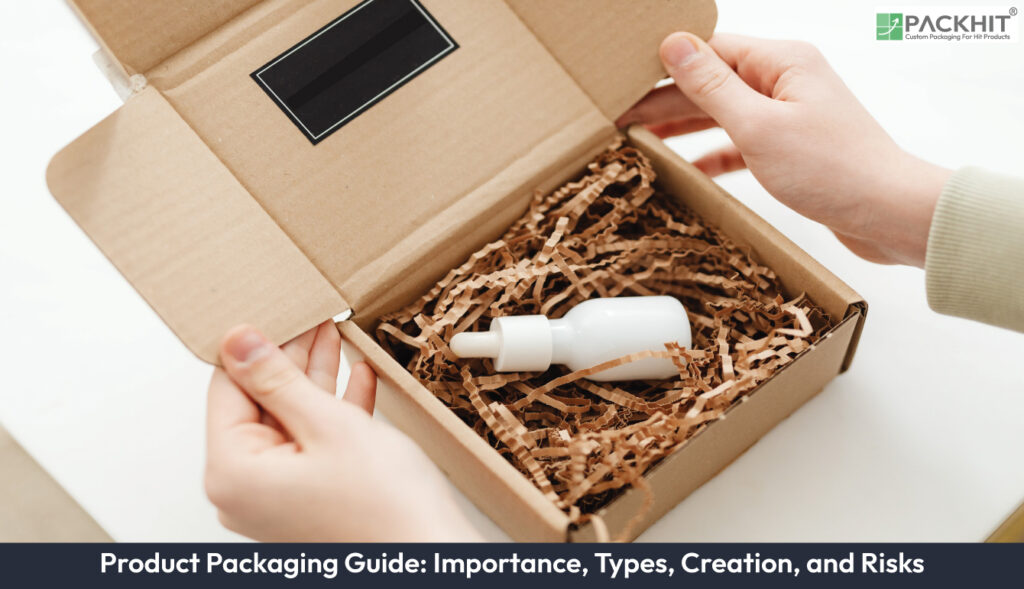
Product packaging is the physical container or wrapping that protects a product and serves as a critical tool for branding, marketing, and consumer engagement. Product packaging is categorized into primary packaging, which directly encloses the product; secondary packaging, which groups multiple primary units for ease of handling and display; and tertiary packaging, which supports bulk storage and transportation. Designing product packaging involves aligning functionality with brand aesthetics, using elements such as color, shape, typography, and imagery to appeal to the target audience while meeting practical requirements. Printing techniques like offset, flexographic, digital, and screen printing are used to enhance the appearance and functionality of packaging, often incorporating advanced finishes like embossing, foil stamping, and UV coating.
- What is Product Packaging?
- Why is Product Packaging Important?
- What are the Types of Product Packaging?
- How is Product Packaging Designed?
- Step 1: Requirements
- Step 2: Consumer and Competitor Research
- Step 3: Material and Structural Selection
- Step 4: Visual Design
- Step 5: Prototyping and Testing
- Step 6: Printing, Production, and Sustainability Checks
- Step 7: Final Approval and Scale-Up
- What are Common Product Packaging Risks and How Should They Be Handled?
- What are the Printing Techniques Used in Product Packaging?
- What are the Legal Requirements for Product Packaging?
- Frequently Asked Questions (FAQs)
- What are the Main Types of Product Packaging?
- How is Product Packaging Designed?
- Which Printing Method is Best for Product Packaging?
- What Legal Requirements Apply to Product Packaging?
- How do Businesses Choose the Right Packaging Type?
- How Does Product Packaging Impact Consumer Behavior?
What is Product Packaging?
Product packaging refers to the physical container or wrapping used to encase a product. Its primary purpose is to protect the product from damage, contamination, and environmental factors during storage and transportation. Additionally, packaging plays a critical role in branding, marketing, and consumer communication, often serving as the first point of interaction between the product and the customer.
Why is Product Packaging Important?
The importance of product packaging lies in its ability to fulfill multiple roles simultaneously. It ensures product integrity by providing physical protection against mechanical damage, moisture, and temperature fluctuations. Packaging may need to support applicable legal, labeling, and safety requirements that vary by product category, market, and jurisdiction.
From a marketing perspective, packaging influences consumer purchasing decisions by communicating brand identity, product features, and value propositions. Industry research generally suggests that packaging design is a significant factor in many consumers’ buying choices, and that sustainability considerations are increasingly influencing packaging preferences, though the exact share of consumers affected varies by study, product category, and market. For manufacturers, this typically translates into paying close attention to how color, typography, and material choices align with the target shelf channel and audience expectations.
What are the Types of Product Packaging?
Product packaging is categorized into three main types:primary packaging, which directly protects and encases the product; secondary packaging, designed to group multiple units for handling and display; and tertiary packaging, optimized for bulk transportation and storage.
Primary Packaging
Primary packaging is the first layer of protection that directly contacts the product. Examples include bottles for liquids, blister packs for pharmaceuticals, and shrink wraps for food items. This type of packaging is designed to preserve product quality and ensure safety during use.
Secondary Packaging
Secondary packaging groups multiple units of primary packaging for easier handling and display. Common examples include cardboard boxes, trays, and cartons. Secondary packaging often incorporates branding elements, such as logos and product descriptions, to enhance shelf appeal.
Tertiary Packaging
Tertiary packaging is used for bulk transportation and storage. Examples include pallets, crates, and stretch wraps. This type of packaging is optimized for durability and efficiency in logistics, ensuring products reach their destination intact.
In most workflows, secondary packaging is the main opportunity for branding and shelf differentiation, since it’s what a retail customer actually sees and picks up, while tertiary packaging is almost entirely about logistics efficiency and rarely carries branding value. Where to invest design effort largely depends on whether the goal is optimizing for retail display or for warehouse and shipping efficiency; a product’s fragility and sales channel should drive that decision more than an even split of attention across all three layers.
How is Product Packaging Designed?
The step-by-step process of product packaging design is given below:
Step 1: Requirements
Define product size, weight, fragility, shelf life, storage temperature, barcode, and labeling needs. Identify applicable labeling, material, and safety requirements based on the product category and target market.
Step 2: Consumer and Competitor Research
Identify target consumers, their color and style preferences, and common purchase triggers. Map the three main competitors and note packaging differences. Use distinct colors, fonts, unique closures, or clear windows to draw attention and separate your product from competitors. This step matters most for retail-facing products competing on a shelf; for products sold primarily through a single online channel with less direct visual competition, this research can be lighter-touch, and effort is often better spent on protective performance and unboxing experience instead
Step 3: Material and Structural Selection
Choose materials such as paperboard, plastic, glass, or metal. Select recyclable, biodegradable, or plant-based options when sustainability applies. Pick a structure like a box, tray, or sleeve based on protection needs and display format.
Step 4: Visual Design
Specify color palette, typography, imagery, and logo placement. Use neutral palettes for premium goods and bolder palettes for mass-market goods. Produce flat dielines and rendered mockups for shelf simulation and brand fit checks.
Step 5: Prototyping and Testing
Produce one to three physical prototypes. Perform drop, compression, moisture, and user-handling tests. Run A/B consumer preference tests if timing permits. Revise structure or graphics after any test failures.
Step 6: Printing, Production, and Sustainability Checks
Pick a printing method that matches run length and material. Options include offset, flexographic, digital, and screen printing. Add finishes such as embossing, foil, or UV coating where durability or shelf presence requires them. Confirm material sourcing and recyclability, and then note that sustainable materials can cost more or be less available, but they meet rising consumer demand.
Step 7: Final Approval and Scale-Up
Lock dielines, color standards, and QC tolerances. Run a pilot batch and evaluate print consistency, structural integrity, and required product information before full production and distribution.
What are Common Product Packaging Risks and How Should They Be Handled?
Product packaging failures during storage and transport typically fall into a few recognizable categories, each with its own warning signs. Compression damage shows up as crushed corners or bulging panels, usually from inadequate stacking strength relative to pallet height. Moisture damage appears as warped paperboard, delaminated laminate layers, or mold on the product itself, often traced to inadequate barrier coatings or storage in humid conditions. Seal failures such as leaking liquids, loose caps, or torn shrink wrap usually indicate an incompatible seal type for the product’s viscosity or an assembly-line tolerance issue rather than a material defect.
For handling and storage, packaging should generally be kept within the temperature and humidity range the material was tested for, since paperboard in particular loses structural strength in high humidity. Stacking height limits specified during compression testing should be treated as hard limits rather than guidelines, since exceeding them is one of the most common causes of in-transit damage claims.
When choosing between materials and structures, the core trade-off is usually durability versus visibility versus sustainability: a rigid plastic clamshell offers strong protection and product visibility but scores poorly on recyclability in many regions; a molded pulp tray is more sustainable and often cheaper but sacrifices some visual presentation; and a printed paperboard box balances branding opportunity against typically lower impact resistance than rigid plastic. Manufacturers should weigh which of these three priorities matters most for the specific product’s fragility, price point, and target retail channel before finalizing a structure.
What are the Printing Techniques Used in Product Packaging?
Printing techniques play a crucial role in improving packaging appearance, information clarity, and brand differentiation. The best method depends on factors such as material type, production volume, required image quality, customization needs, and budget.
- Offset Printing: Ideal for high-resolution images, sharp typography, and premium paperboard packaging. It is commonly selected for folding cartons, luxury product boxes, and applications where detailed graphics and consistent color reproduction are priorities.
- Flexographic Printing: Suitable for high-volume production on flexible materials such as films, labels, and corrugated packaging. It is often preferred when manufacturers need fast production speeds, lower per-unit costs at scale, and reliable printing on continuous packaging materials.
- Digital Printing: Provides flexible, cost-effective printing for short runs, prototypes, and customized packaging. It is useful when brands need variable designs, limited-edition packaging, or faster production without creating printing plates.
- Screen Printing: Used for specialty packaging materials such as glass, metal, and rigid containers. It is preferred when thick ink coverage, durable prints, or unique finishes are required, such as on cosmetic bottles or promotional packaging.
Advanced printing technologies, including embossing, foil stamping, and UV coating, are used when brands need additional tactile effects, premium appearance, or improved resistance to handling and wear.
What are the Legal Requirements for Product Packaging?
Product packaging may need to meet legal and regulatory requirements that vary by product category, location, and intended market. These requirements commonly involve labeling accuracy, safety information, environmental disclosures, and other product-specific obligations. Requirements include accurate labeling of ingredients, expiration dates, and safety warnings. In practice, that means verifying the required label fields and safety wording match the specific product category and intended sales region before finalizing production; a food product sold in multiple countries, for example, may need different label formats per market, and keeping proof of the final approved label artwork on file for quality control and compliance audits. Food, pharmaceutical, and other regulated product packaging may be subject to specific labeling, disclosure, and safety expectations depending on the product category and jurisdiction. Manufacturers should verify the applicable requirements for their intended market before final production.
Frequently Asked Questions (FAQs)
What are the Main Types of Product Packaging?
The main types of product packaging are primary, secondary, and tertiary packaging. Primary packaging directly contains and protects the product, secondary packaging groups products for handling and display, and tertiary packaging supports bulk transportation and storage. Additional formats, such as flexible, rigid, sustainable, and e-commerce packaging, are selected based on product requirements and distribution needs.
How is Product Packaging Designed?
Product packaging design involves evaluating product protection requirements, materials, structure, branding goals, printing options, and production needs. The process typically includes research, material selection, visual design, prototyping, testing, and final production approval.
Which Printing Method is Best for Product Packaging?
The best printing method depends on packaging material, production volume, and design requirements. Offset printing is commonly preferred for detailed graphics on paperboard, flexographic printing is suitable for high-volume flexible packaging, digital printing works well for short runs and customization, and screen printing is often used for specialty rigid materials.
What Legal Requirements Apply to Product Packaging?
Packaging requirements vary by product category and sales region. Businesses should verify applicable labeling, safety information, environmental claims, and disclosure requirements for their specific market before production.
How do Businesses Choose the Right Packaging Type?
The right packaging type depends on factors such as product fragility, barrier requirements, transportation conditions, production volume, sustainability goals, and customer expectations. The selected solution should provide adequate protection while supporting efficient manufacturing and distribution.
How Does Product Packaging Impact Consumer Behavior?
From a marketing perspective, packaging influences consumer purchasing decisions by communicating brand identity, product features, and value propositions. Some studies suggest that packaging design can affect buying decisions, but the impact varies by product category, audience, and purchasing context. The effect is often more noticeable in categories where shelf comparison is immediate, such as cosmetics, beverages, and premium foods, where elements like distinctive color systems, high-quality finishes, clear product information, or sustainable material choices can influence perceived value. For manufacturers, this typically means aligning packaging design choices with the expectations of the target customer, retail environment, and brand position rather than relying on a single design element to drive purchase decisions. In practice, the strongest packaging improvements usually come from matching priorities to the selling environment: products competing on crowded retail shelves may benefit more from visual differentiation, while products facing higher shipping risks may require stronger protection, durability, or barrier performance before appearance becomes the primary focus.