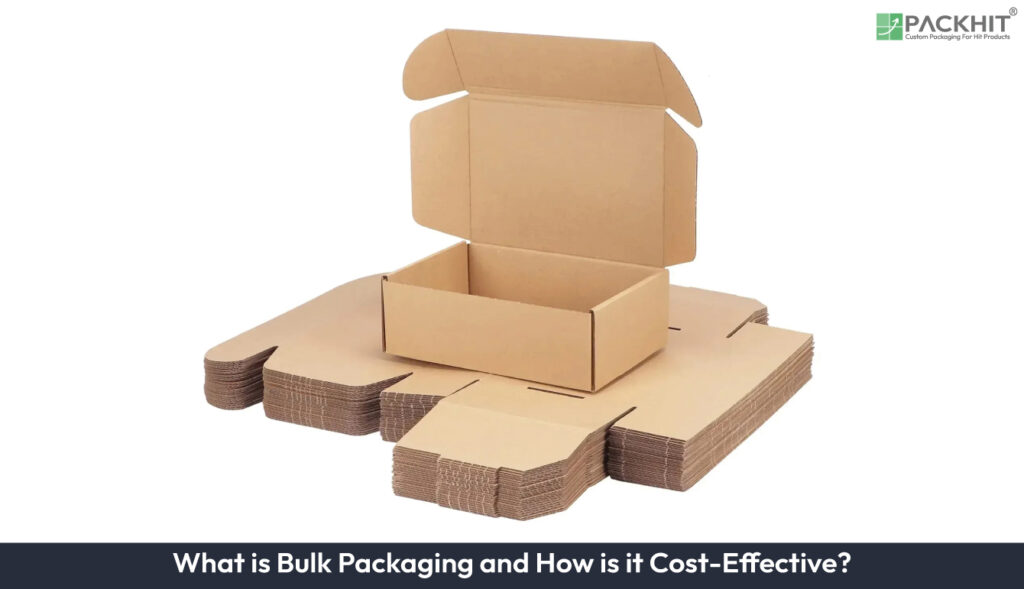
Bulk packaging is designed to store, protect, and transport large quantities of products efficiently throughout manufacturing, warehousing, and distribution. It includes high-capacity packaging systems such as intermediate bulk containers (IBCs), drums, portable tanks, pallets, and freight containers that improve handling efficiency and reduce the need for multiple smaller packages. It includes the materials that provide durability, the factors that make it a cost-effective packaging solution, regulatory and safety requirements, applications across industries, common operational challenges, sustainability benefits, and selection criteria for manufacturers.
- What is Bulk Packaging?
- What Factors Make Bulk Packaging a Cost-Effective Option?
- Lower Packaging Material Costs
- Reduced Transportation Expenses
- Lower Labor Costs
- Improved Storage Efficiency
- Economies of Scale
- Less Packaging Waste
- Reduced Inventory Management Costs
- Increased Supply Chain Efficiency
- Applications of Bulk Packaging Across Industries
- What are the Challenges of Bulk Packaging?
- Bulk Packaging Selection Checklist for Manufacturers
- How Does Bulk Packaging Contribute to Environmental Sustainability?
What is Bulk Packaging?
Bulk packaging refers to containers or systems designed to hold and transport large quantities of products, including options such as intermediate bulk containers (IBCs), portable tanks, and freight containers. In some regulatory and industry contexts, bulk packaging classifications may use reference thresholds for capacity or weight, such as commonly cited figures for certain liquid or solid materials. However, the applicable limits and definitions can vary depending on the product, transportation method, packaging type, and governing jurisdiction.
Certain hazardous-material transportation regulations, such as 49 CFR 171.8, provide definitions and classifications related to bulk packaging in specific hazardous-material contexts within the United States. These frameworks help establish requirements for the safe handling, transportation, and compliance of regulated materials. Businesses should verify the specific regulations applicable to their products, shipping methods, and locations before selecting or using bulk packaging solutions.
What Materials Make Bulk Packaging Durable?
Bulk packaging is commonly manufactured from materials such as polypropylene, cardboard, metal, and wood, with selection depending on factors such as load requirements, product compatibility, moisture exposure, reuse expectations, and transportation conditions. For example, rigid materials may be preferred for applications requiring structural strength, while recyclable fiber-based materials may be suitable where weight reduction and material recovery are priorities.
Depending on the application, bulk packaging may be evaluated for performance characteristics such as resistance to drops, vibration, compression, environmental exposure, and repeated handling. Actual durability depends on the packaging design, material selection, product characteristics, and operating conditions.
Bulk packaging materials and designs help protect products during storage and transit by addressing specific risks such as impact damage, leakage, moisture exposure, and structural deformation. The level of protection depends on container design, material compatibility, handling methods, and the conditions experienced throughout the supply chain.
What Factors Make Bulk Packaging a Cost-Effective Option?
Several factors make bulk packaging a cost-efficient option by helping businesses reduce expenses, improve operational efficiency, and optimize supply chain processes.
Lower Packaging Material Costs
Bulk packaging reduces the need for multiple individual packages by using larger containers or units for storing and transporting products. This minimizes the amount of materials such as cardboard, plastic, labels, and protective packaging required. As a result, businesses can lower packaging expenses while also reducing the time spent on packing and preparation.
When evaluating packaging costs, businesses should consider total operating impact rather than material price alone. Factors such as product loss prevention, storage efficiency, transportation requirements, and packaging lifespan often determine whether a bulk packaging solution provides long-term value.
Reduced Transportation Expenses
Shipping products in bulk allows companies to move larger quantities in fewer shipments. This improves space utilization during transportation, reduces fuel consumption, and lowers freight and handling costs. By decreasing the number of trips required, businesses can achieve greater cost efficiency across their supply chain.
Lower Labor Costs
Bulk packaging requires fewer individual handling steps compared to smaller packages. Employees spend less time on packing, labeling, sorting, and loading products, which helps reduce labor requirements. This allows businesses to improve productivity and allocate resources more efficiently.
Improved Storage Efficiency
Bulk packaging helps businesses make better use of warehouse space by allowing products to be stacked and organized more effectively. It reduces the need for excessive storage areas and simplifies inventory management. Better organization also helps reduce product handling time and improves overall warehouse operations.
Economies of Scale
Purchasing and packaging products in larger quantities often results in lower costs per unit. Manufacturers and suppliers can benefit from more efficient production processes, bulk purchasing discounts, and reduced packaging expenses. These savings can be passed on throughout the supply chain, improving overall cost efficiency.
Less Packaging Waste
Bulk packaging uses fewer materials compared to multiple smaller packages, resulting in reduced waste generation. Using fewer packaging units can reduce material consumption and simplify waste management processes. However, sustainability outcomes depend on factors such as whether the packaging can be reused, recycled, or properly processed within available local systems.
Reduced Inventory Management Costs
By consolidating products into larger quantities, businesses can simplify inventory tracking and reduce the frequency of restocking activities. Fewer packaging units make it easier to monitor stock levels, manage storage, and reduce administrative efforts associated with inventory control.
Increased Supply Chain Efficiency
Bulk packaging streamlines the movement of goods from manufacturers to distributors and retailers. Fewer shipments, simplified handling processes, and improved coordination help reduce delays and operating costs while increasing overall supply chain performance.
The most cost-effective bulk packaging solution is not always the one with the lowest purchase price. Manufacturers should prioritize product protection, material compatibility, handling requirements, and applicable compliance considerations first, then optimize cost through material efficiency, reuse options, and shipping improvements. A cheaper packaging choice may create higher overall costs if it increases product damage, contamination risks, replacement needs, or operational complexity.
Applications of Bulk Packaging Across Industries
Bulk packaging is widely utilized across industries for its ability to store and transport large volumes efficiently and safely.
- Chemical Industry: Enables the safe storage and transportation of hazardous substances while meeting strict safety and regulatory requirements.
- Pharmaceutical Industry: Supports bulk handling of medical supplies, raw ingredients, and production materials while maintaining product integrity.
- Food and Beverage Industry: Provides hygienic and efficient storage solutions for grains, liquids, powders, and frozen goods.
- Construction Industry: Facilitates the transportation of heavy materials such as cement, metals, and aggregates with improved handling efficiency.
- Retail and Logistics: Streamlines supply chains by consolidating inventory, reducing handling needs, and optimizing transportation.
- Warehousing and Storage: Maximizes storage space through efficient stacking, simplifies inventory management, prevents product damage, and improves overall operational efficiency.
What are the Challenges of Bulk Packaging?
The challenges of bulk packaging are given below:
- Higher Initial Investment: Bulk packaging often requires specialized containers, equipment, and storage systems, which can increase upfront costs.
- Storage Space Requirements: Large-volume packaging requires more warehouse space and proper storage arrangements to prevent damage and maintain organization.
- Handling Difficulties: Moving and managing heavy or oversized bulk packages may require specialized equipment and additional labor.
- Product Protection Concerns: Improper bulk packaging design can increase the risk of contamination, damage, or product loss during transportation and storage.
- Regulatory Compliance: Industries such as chemicals, pharmaceuticals, and food must follow strict safety and quality regulations when using bulk packaging.
- Limited Flexibility: Bulk packaging may not be suitable for products that require frequent changes in quantity, customization, or smaller distribution units.
- Transportation Challenges: Large packages can create logistical challenges, especially when shipping to locations with limited handling facilities.
In practice, manufacturers should address the highest-risk factors first. For sensitive products, compatibility and protection requirements usually take priority over reducing initial packaging costs. For less fragile products, lightweight designs and simplified handling may provide greater efficiency. The right balance depends on product characteristics, distribution conditions, and operational requirements.
Bulk Packaging Selection Checklist for Manufacturers
Manufacturers should evaluate the following specifications before selecting bulk packaging:
| Selection Factor | What to Evaluate |
|---|---|
| Product type | Liquid, powder, solid, granular, hazardous, food-grade, or temperature-sensitive products |
| Required capacity | Volume or weight requirements based on production output and distribution needs |
| Material compatibility | Whether materials such as plastic, metal, wood, or composite structures are suitable for the product |
| Container type | IBCs, drums, tanks, crates, pallets, or other bulk systems based on handling requirements |
| Protection requirements | Resistance to impact, vibration, moisture, contamination, and environmental exposure |
| Handling method | Forklift access, lifting points, stacking capability, and warehouse equipment compatibility |
| Storage conditions | Indoor/outdoor storage, stacking limits, temperature, and humidity exposure |
| Compliance needs | Applicable transportation, workplace safety, food, pharmaceutical, or hazardous-material requirements |
| Reuse and lifecycle goals | Whether reusable, recyclable, or single-use packaging best fits operational needs |
As a general approach, manufacturers should first determine product compatibility and protection requirements, then select container size, material, and handling features that fit their supply chain. The lowest-cost option is not always the most efficient choice. A bulk packaging solution should balance purchase cost with protection performance, handling requirements, product compatibility, and compliance needs, because reducing upfront costs may create higher expenses through damage, downtime, or operational challenges.
How Does Bulk Packaging Contribute to Environmental Sustainability?
Bulk packaging supports environmental sustainability by reducing material waste, encouraging the use of recyclable and biodegradable materials, and improving resource efficiency. By replacing multiple single-use packages with larger reusable or recyclable containers, it helps minimize packaging waste and reduce environmental impact. Reconditioning processes, such as cleaning and refurbishing, extend the lifespan of packaging materials and promote a circular economy. Additionally, bulk packaging reduces transportation needs by consolidating products into fewer shipments, lowering energy consumption and carbon emissions. These benefits allow businesses to achieve greater operational efficiency while supporting sustainable practices.