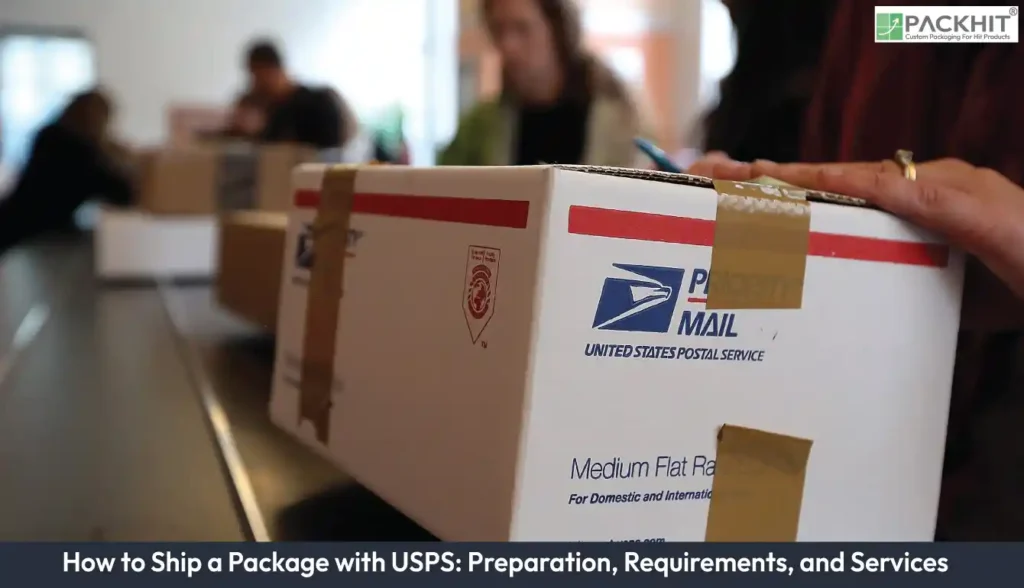
To prepare a package for USPS shipping, use strong packaging materials, seal the box securely, and label it clearly with both the recipient’s and return addresses. Check that the package meets USPS weight and size limits, and choose the right shipping service, such as Priority Mail, First-Class, or Ground Advantage, based on speed, cost, and item type. You can either drop the package off at a USPS location or schedule a free pickup online. To use USPS services, you’ll need an account, proper postage, and compliance with packaging standards, restricted item rules, and, for international shipping, required customs forms. USPS offers a range of services, including fast options like Priority Mail Express, budget options like First-Class Mail and Media Mail, and international services like Global Express Guaranteed.
USPS shipping costs depend on package weight, dimensions, destination, and service type, with the USPS calculator and third-party services helping estimate rates and access discounts. Free package pickup, nationwide delivery, flat-rate packaging, Saturday delivery, and tracking can reduce handling effort and support predictable shipping for manufacturers.
- What Are the Steps to Prepare a Package for USPS Shipping?
- Step 1: Select Appropriate Packaging Materials
- Step 2: Securely Seal the Package
- Step 3: Label the Package Correctly
- Step 4: Check Weight and Size Restrictions
- Step 5: Select the Appropriate USPS Service
- Step 6: Schedule Package Pickup or Drop-Off
- What are the Requirements for Using USPS Services?
- How Does USPS Tracking Work?
- What USPS Services Are Available for Shipping?
- How Can USPS Shipping Costs Be Calculated?
- What Are the Competitive Advantages of USPS Shipping?
- How Can Manufacturers Benefit from USPS Shipping?
What Are the Steps to Prepare a Package for USPS Shipping?
To prepare a package for USPS shipping, select suitable packaging, seal it securely, label it clearly, check its weight and size, choose a USPS service, and arrange pickup or drop-off:
Step 1: Select Appropriate Packaging Materials
Begin by choosing durable packaging materials to protect your items during transit. Use sturdy boxes, high-quality packing tape, and cushioning materials such as bubble wrap, packing peanuts, or foam inserts to prevent damage. Ensure the packaging size is suitable for the contents, avoiding excess space or overstuffing.
Step 2: Securely Seal the Package
Seal the package with strong packing tape along all edges to reinforce its structural integrity. Double-check for any openings or weak points that could compromise the package during handling or transit. For fragile items, consider adding extra layers of protection and marking the box as “Fragile” where applicable.
Step 3: Label the Package Correctly
Accurate labeling is essential for successful delivery. Display the recipient’s address, return address, and any required customs information for international shipments. Use a legible font and ensure labels adhere securely to the package. USPS provides free shipping labels and other supplies, which can be ordered online or picked up at local post offices.
Step 4: Check Weight and Size Restrictions
Verify that your package complies with USPS weight and size limitations. Services such as Priority Mail Flat Rate boxes have predefined dimensions, whereas other options allow custom-sized packages within specific limits. Use the USPS Shipping Calculator to determine the most suitable service based on your package’s weight and measurements.
Step 5: Select the Appropriate USPS Service
Choose a USPS shipping service that matches your delivery speed, budget, and package type requirements. For example, Priority Mail Flat Rate is ideal for standardized shipping, while First-Class Mail is more cost-effective for lightweight items. Review USPS’s service offerings to ensure the selection aligns with your needs.
Step 6: Schedule Package Pickup or Drop-Off
Once your package is prepared, you can either drop it off at a USPS location or schedule a free package pickup online. This step simplifies logistics, especially for businesses shipping multiple items, and ensures your package enters the USPS system for timely delivery.
What are the Requirements for Using USPS Services?
Using USPS services requires proper postage, compliant packaging and labeling, service-specific weight and size compliance, and additional documentation for restricted items or international shipments.
- Account and Postage: Create a free USPS account to print labels and schedule pickups. You may also buy postage through third-party providers such as Pirate Ship to access discounted rates.
- Packaging and Labeling: Use sturdy packaging and attach a legible address label. Use USPS free boxes for flat rate shipments and cover all seams with packing tape.
- Weight and Size Limits: Meet the service-specific weight and size limits before you ship. Check dimensions and weight with the USPS shipping calculator or your postage provider.
- Prohibited and Restricted Items: Do not send prohibited items and follow restricted item rules. Examples include lithium batteries, hazardous chemicals, and some perishable goods.
- Customs Documentation for International Shipping: Attach required customs forms and declare item details for all international packages. Provide item descriptions, values, and commercial invoices when you ship goods overseas.
- Postage Payment and Rate Selection: Pay the correct postage for the chosen service and the package weight. Compare rates on USPS or third-party platforms and select Priority Mail, First Class, Ground Advantage, or appropriate international service.
- Tracking and Added Services: Purchase tracking, insurance, or signature confirmation when accountability matters. These services apply to Priority Mail, Priority Mail Express, and many package classes for proof of delivery.
- Drop-off and Pickup: Drop the package at a USPS location or schedule a pickup online. Pickup is free for most prepaid shipments, but postage is required through USPS or authorized providers.
- Documentation for Commercial Shippers: Provide business account numbers and electronic manifests for high-volume shipping. Include batch manifests, commercial invoices, and required export documentation when you ship large quantities.
Note: The USPS service details and time-sensitive pricing information have been verified, with applicable limitations and service- or destination-specific variations identified, and claims dependent on current USPS policies appropriately qualified.
How Does USPS Tracking Work?
USPS tracking enables users to monitor the status and location of their packages throughout the delivery process. Tracking numbers are provided for most services, including Priority Mail, Priority Mail Express, and First-Class Package Service.
Users can track packages via the USPS website or mobile app by entering the tracking number. Updates include package acceptance, transit milestones, and final delivery confirmation. For added security, USPS offers insurance and signature confirmation services, ensuring accountability for high-value shipments.
Emerging trends in USPS tracking include the adoption of digital tools and automation, which improve accuracy and provide real-time updates. These advancements are particularly beneficial for businesses managing large volumes of shipments.
What USPS Services Are Available for Shipping?
USPS offers a diverse range of shipping services designed to meet varying delivery speed, cost, and package type requirements. Key services include:
- Priority Mail: USPS provides a fast, dependable shipping option that generally arrives within 2–3 business days. Flat-rate pricing, free mailing boxes, and package tracking help businesses manage recurring shipments. Delivery estimates vary by service and destination, and exceptions apply; USPS does not guarantee the stated delivery time.
- Priority Mail Express: It provides 1–3 day delivery by 6 PM. Sunday and holiday delivery is available in many major markets for an additional fee. Use this service for urgent shipments, and verify the destination, delivery date, and required packaging before mailing the package.
- First-Class Mail: A cost-effective USPS option for lightweight packages under 13 ounces, it suits small items and documents. Mail arrives in 1–5 days, includes tracking, and is priced according to shape and weight, making it practical for budget-conscious shippers.
- Media Mail: A low-cost service for shipping qualifying educational and media materials, including books, CDs, and DVDs. Delivery typically takes 2–8 days, and packages must meet USPS content requirements.
- USPS Ground Advantage: An economical ground shipping service for larger packages, with delivery in 2-5 days. It suits manufacturers sending bulk shipments at an affordable cost.
- Priority Mail International: A dependable option for international shipping, delivering packages to over 180 countries within 6–10 business days. It includes flat-rate pricing and tracking for seamless global logistics.
- First-Class Package International: A budget-friendly choice for lightweight international shipments under 4 pounds, offering tracking for select destinations and competitive rates for businesses expanding globally.
- Global Express Guaranteed: The fastest international shipping service from USPS, delivering to major destinations in 1–3 business days. It includes tracking, insurance, and a money-back guarantee.
Note: All the information regarding delivery times, destination coverage, tracking, and guarantee terms is verified and depends on the selected service. Check the current service rules before shipping. Conditions can vary by destination, package eligibility, and the type of guarantee.
How Can USPS Shipping Costs Be Calculated?
USPS shipping costs are determined by factors such as package weight, dimensions, destination, and selected service type. The USPS Shipping Calculator is a valuable tool for estimating costs. Users input package details to receive instant rate comparisons across available services.
Discounted rates are available through platforms like Pirate Ship and ShipStation, which integrate with USPS to provide cost-effective solutions for small businesses. These platforms often offer deeper discounts compared to standard USPS rates, making them ideal for e-commerce operations.
Additionally, USPS provides free package pickup services, allowing users to schedule pickups online without incurring extra fees. This feature enhances convenience and reduces logistical costs for businesses and individuals.
Note: Third-party platforms ShipStation and PrintShip offer shipping discounts in collaboration with USPS.
What Are the Competitive Advantages of USPS Shipping?
For manufacturers, USPS shipping combines broad domestic coverage with practical options for lightweight, residential, and P.O. box orders.
- Affordable rates: USPS offers economical pricing for lightweight packages, especially parcels under 1 pound and shipments sent through Ground Advantage.
- Nationwide coverage: USPS delivers to every U.S. address, including residential locations, P.O. boxes, rural communities, and military addresses.
- Six-day delivery: USPS commonly delivers packages Monday through Saturday, with Saturday delivery included for qualifying services at no separate Saturday surcharge.
- Free package pickup: Businesses can schedule carrier pickup from their workplace or another designated location instead of transporting parcels to a Post Office.
- Flat-rate packaging: Priority Mail Flat Rate boxes use a fixed postage price within the size and service limits, regardless of the package’s domestic destination.
- Residential delivery: USPS does not apply a separate residential delivery surcharge to standard domestic package services, which can reduce the landed shipping cost for direct-to-consumer orders.
- Tracking access: USPS tracking records shipment scans for eligible services, allowing manufacturers and customers to check package movement through the tracking number.
How Can Manufacturers Benefit from USPS Shipping?
Manufacturers producing tangible products can leverage USPS shipping for cost-effective and reliable delivery solutions. USPS’s diverse service options accommodate various package types, including custom packaging for unique products.
Free supplies and pickups simplify logistics, while discounted rates through integrated platforms reduce shipping expenses. Tracking capabilities ensure transparency and accountability, which are vital for maintaining customer satisfaction.
For manufacturers engaged in e-commerce, USPS’s international shipping services provide access to global markets, supporting business growth and expansion.
