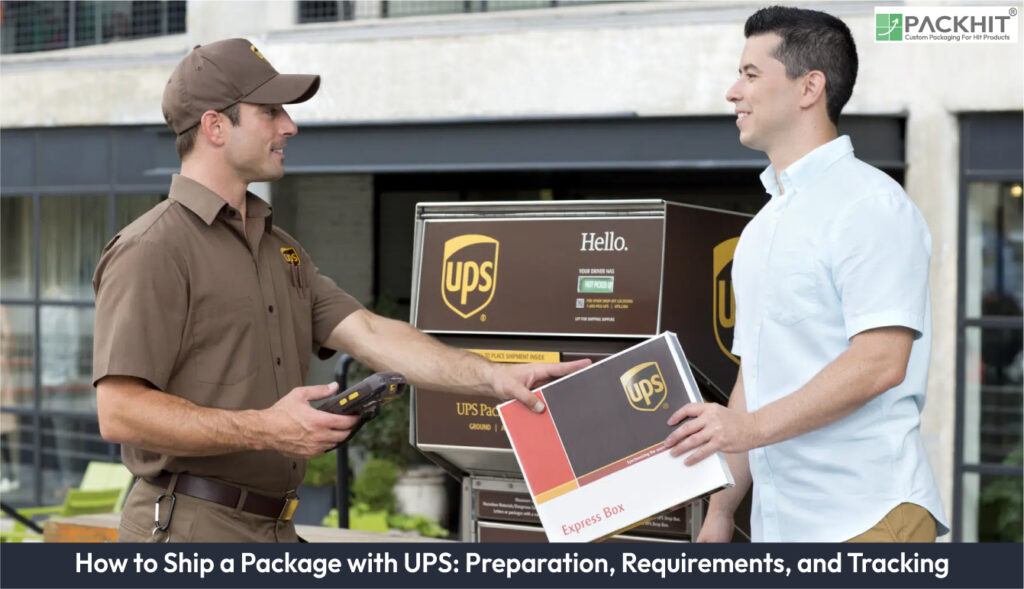
Preparing a package for UPS shipping requires the correct carton, cushioning, secure tape, and protection for fragile or irregularly shaped products. Shippers must account for dimensional weight, calculated as length x width x height divided by 139, because UPS charges by the greater of actual or dimensional weight. Complete addresses, contact details, a scannable label, required customs documents, and valid payment information support accurate processing. UPS tracking then records shipment scans from pickup through delivery and reports status updates through the tracking number.
UPS shipping services include Ground, air, accelerated, and same-day delivery options, with transit times based on the selected service, origin, destination, and package details. Shipping costs depend on weight, dimensions, destination, fuel, and residential surcharges, while declared-value protection follows the service terms and may require additional coverage for high-value products. Businesses can reduce UPS shipping costs by comparing service levels, calculating charges, negotiating volume rates, selecting protective packaging, and connecting tracking and delivery confirmations to their e-commerce system.
- What Are the Key Steps in Preparing a Package for UPS Shipping?
- 1. Choose the Right Packaging Materials
- 2. Secure Fragile Items with UPS “Pack & Ship” Service
- 3. Understand Dimensional Weight and Its Impact on Costs
- 4. Ensure Compliance with UPS Packaging Guidelines
- Requirements for Using UPS Services
- Complete recipient and shipper information
- Packaging that meets UPS handling standards
- Correct labels and required documentation
- Valid payment and billing arrangement
- How Does UPS Tracking Work?
- Real-Time Shipment Monitoring
- Notification Features for Enhanced Visibility
- Comparison with Competitor Systems
- Technological Advancements Driving Improvement
- What Shipping Services Does UPS Offer?
- How Are UPS Shipping Costs Calculated?
- How Can Businesses Optimize Their UPS Shipping Strategy?
What Are the Key Steps in Preparing a Package for UPS Shipping?
The key preparation steps are to choose suitable packaging, secure fragile items, account for dimensional weight, and follow UPS packaging guidelines.
1. Choose the Right Packaging Materials
Selecting proper packaging materials is the first step in preparing a package for UPS shipping. UPS provides a variety of box sizes, including options like the UPS Letter (12.5″ x 9.5″) for documents and smaller items, as well as larger boxes for bulkier shipments. Packages must be sealed securely with durable packing tape to prevent accidental openings during transit. Fragile items should be protected using cushioning materials such as bubble wrap, packing peanuts, or foam inserts.
2. Secure Fragile Items with UPS “Pack & Ship” Service
For fragile or high-value items, consider utilizing UPS’s “Pack & Ship” service. UPS Pack & Ship may help package fragile or irregularly shaped items according to applicable UPS guidance. The service is particularly useful for manufacturers shipping delicate or irregularly shaped products.
3. Understand Dimensional Weight and Its Impact on Costs
Dimensional weight plays a critical role in determining the shipping cost of your package. UPS calculates shipping charges based on the greater of the actual weight or the dimensional weight of the package. The dimensional weight is derived using the formula: (Length x Width x Height) ÷ 139. This pricing model encourages efficient packaging by minimizing unused space within packages, ultimately helping businesses reduce shipping expenses.
4. Ensure Compliance with UPS Packaging Guidelines
UPS enforces packaging guidelines for safe transit. Packages must withstand normal handling, including drops, without damaging the contents. Use a sturdy box, secure internal cushioning, and strong sealing tape. Fragile items may require double-boxing and extra protection around empty spaces. Proper packaging reduces damage, delays, and additional shipping fees.
Requirements for Using UPS Services
The main requirements are complete sender and recipient information, compliant packaging, correct labels and documentation, and a valid payment arrangement.
Complete recipient and shipper information
Provide a full street address with city, state, and ZIP, plus a contact phone number and email. Include suite or apartment numbers and a daytime phone number for the recipient and the shipper to avoid delivery delays.
Packaging that meets UPS handling standards
Pack items in boxes that withstand a three-foot drop and use at least two inches of cushioning for fragile goods. Use manufacturer boxes or corrugated cartons sized to limit movement and label fragile items when appropriate.
Correct labels and required documentation
Attach a scannable UPS label and include all required paperwork for the route and contents. For international shipments, provide a commercial invoice and harmonized tariff (HTS) code.
Valid payment and billing arrangement
Provide a payment method or an active UPS account number for charges and any third-party billing. Acceptable options include credit card payment at drop-off, prepaid billing, or billing to a UPS account for negotiated rates.
Note: Verify current destination-specific requirements before shipping with UPS, and seek qualified carrier or customs guidance for restricted goods.
How Does UPS Tracking Work?
UPS tracking records package scans from pickup through delivery, so shippers can check the shipment status and estimated delivery date with the tracking number.
Real-Time Shipment Monitoring
UPS tracking links each shipment to a tracking number and records status events such as pickup, transit, delivery, and the estimated delivery date. Each shipped package is assigned a unique tracking number, which acts as an identifier, allowing users to access detailed shipment information through the UPS website or mobile application.
Notification Features for Enhanced Visibility
The UPS tracking system sends automated notifications to both shippers and recipients. These updates include key milestones, such as when the package is picked up, in transit, or delivered. Such features improve customer satisfaction by keeping all parties informed at every stage of the shipment.
Comparison with Competitor Systems
UPS provides tracking features such as shipment updates and delivery-status information. Some users perceive its tracking as less granular than DHL’s in certain regions. However, UPS continues to enhance its tracking features by integrating advanced technologies, such as predictive analytics and machine learning, to improve accuracy and user experience.
Technological Advancements Driving Improvement
UPS uses GPS-enabled systems, predictive analytics, and artificial intelligence to improve location updates and anticipate potential delays. These advancements ensure that businesses and customers alike benefit from a more seamless and dependable tracking experience.
What Shipping Services Does UPS Offer?
UPS services are tailored to varying delivery timelines and budgets.
- UPS Ground: Delivers within 1-5 business days to all 50 states and Puerto Rico, offering cost-effective solutions for non-urgent shipments.
- UPS Next Day Air: Provides next-business-day delivery for urgent shipments. Delivery times vary by destination and service level, with options that may arrive by 10:30 a.m., noon, or the end of the business day.
- Accelerated Shipping: For important shipments that aren’t urgent, meet your delivery deadline with UPS 2nd Day Air or UPS 3 Day Select.
- Same-day Delivery: Easy same-day delivery for local shipments with Roadie, or choose UPS Express Critical for urgent same-day freight deliveries.
Flat-rate shipping is also available for specific destinations, simplifying cost estimation for international shipments.
Note: The service names, transit times, delivery commitments, destination coverage, packaging conditions, and rates in this section were added and verified against the official UPS website. UPS service availability and pricing can change by origin, destination, package characteristics, and shipping date, so confirm the current details on the official UPS website before shipment.
How Are UPS Shipping Costs Calculated?
UPS shipping costs depend on package weight, dimensions, destination, and service level. Fuel, residential, and other shipment-specific surcharges may apply. Business discounts on UPS Ground or UPS air services depend on the account agreement, shipment volume, origin, destination, and eligibility, so verify the quoted rate in the UPS account before pricing a product.
UPS declared-value liability generally applies only under the selected service’s terms and may cover a carrier-specified amount per package. Additional protection can be purchased for eligible high-value items, subject to service, destination, packaging, claim, and policy limits. Confirm the applicable coverage before shipping expensive products.
How Can Businesses Optimize Their UPS Shipping Strategy?
Manufacturers and businesses can optimize UPS shipping by comparing volume-based rates, choosing the appropriate service level, and using UPS cost calculators to estimate charges. Negotiating rates for frequent shipments can further reduce costs, while the “Pack & Ship” service ensures secure handling of fragile or high-value items.
Additionally, adding tracking updates and delivery confirmations to an e-commerce platform gives customers shipment status and delivery information. Businesses can also benefit from UPS’s extensive network coverage, which facilitates reliable delivery to remote and international locations.