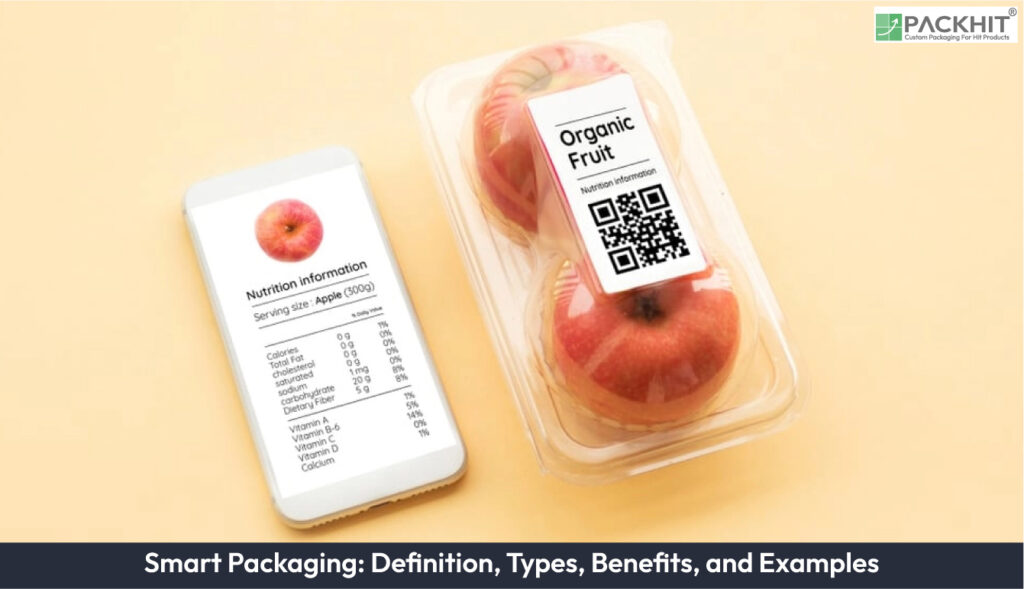
Smart packaging involves the integration of active materials and digital intelligence to monitor, react to, and communicate product conditions throughout its lifecycle. Types of smart packaging are generally categorized into active solutions for physical preservation, intelligent options for data tracking, and interactive versions for consumer engagement. Smart packaging entails using sensors to collect environmental data and transmitting that information via IoT-connected devices like RFID or NFC. Benefits of smart packaging include enhanced product safety, improved supply chain efficiency, deeper consumer engagement, and sustainable waste reduction. Examples of smart packaging applications range from food freshness monitoring and pharmaceutical cold-chain verification to consumer electronics protection. Challenges in smart packaging primarily involve managing high production costs, addressing environmental electronic waste, and ensuring robust data privacy and security.
What is Smart Packaging?
Smart packaging is packaging that combines active materials and embedded intelligence to monitor, control, and report a product’s condition throughout storage, transit, and use. It performs three primary functions: monitor (sensors and indicators that track temperature, humidity, oxygen, volatile compounds, examples: printed temperature tags, colorimetric freshness strips), react (active elements such as oxygen scavengers, moisture absorbers, antimicrobial layers that modify the package micro‑environment), and communicate (RFID, NFC, QR codes, or IoT telemetry that log condition data and verify authenticity).
Core Features of Smart Packaging
Smart packaging relies on a suite of integrated features designed to monitor, react to, and communicate information about products.
Active Technologies: Active packaging systems interact with the product or its environment to maintain quality and extend shelf life. Examples include oxygen scavengers that prevent spoilage in perishable goods, moisture absorbers for dry products, and antimicrobial layers that reduce contamination risks.
Intelligent Technologies: Intelligent packaging integrates mechanisms like RFID tags, QR codes, and NFC chips to enable real-time tracking, product authentication, and interactive consumer engagement. These technologies can help improve supply chain transparency and may enhance user experience.
Diagnostic and Indicator Functions: Embedded sensors monitor critical environmental conditions such as temperature, humidity, and freshness, ensuring product integrity throughout its lifecycle. For instance, freshness indicators in food packaging visually signal spoilage.
Interactive Features: Smart packaging increasingly incorporates interactive elements like augmented reality (AR) overlays, NFC tags, or QR codes that connect users to digital content, such as product information, promotional campaigns, and gamified experiences. These features enhance consumer engagement and brand loyalty.
Sustainability-Oriented Designs: Recent advancements in smart packaging include the use of biodegradable materials, recyclable electronic components, and designs that optimize resource efficiency. These innovations address growing environmental concerns and align with sustainability goals.
IoT Integration: Smart packaging leverages IoT frameworks to collect, analyze, and share data in real time. IoT-enabled sensors and devices enhance supply chain visibility, enabling predictive analytics for inventory management and logistics optimization.
Choosing among these features requires balancing the high cost of sophisticated electronics against the need for product safety, specifically prioritizing diagnostic sensors for highly perishable or sensitive goods.
Types of Smart Packaging
Smart packaging solutions generally fall into three distinct types based on their primary function: physical preservation, data tracking, or consumer interaction.
1. Active Packaging
Active packaging interacts with the product or its environment to extend shelf life and maintain quality. Examples include oxygen-absorbing films for perishable foods and antimicrobial coatings for pharmaceuticals.
2. Intelligent Packaging
Intelligent packaging provides data about the product’s condition or location. Technologies such as RFID tags and IoT-enabled sensors allow real-time monitoring of temperature-sensitive goods, such as vaccines or fresh produce.
3. Interactive Packaging
Interactive packaging, also known as connected packaging, engages consumers through digital interfaces. QR codes and NFC tags can link to product information, promotional content, or gamified experiences, enhancing brand loyalty and transparency.
The optimal type depends on the primary objective: active packaging is essential for physical preservation, while intelligent and interactive options are better suited for data-driven supply chains and consumer marketing.
How Does Smart Packaging Work?
Smart packaging operates through the integration of advanced materials and digital technologies. Sensors embedded in the packaging collect data on environmental conditions, such as temperature or humidity, and transmit this information via RFID or NFC to connected devices. For example, freshness indicators in food packaging change color to signal spoilage, while QR codes provide consumers with detailed product histories, including sourcing and manufacturing details. These systems rely on IoT frameworks to enable real-time data collection, analysis, and visualization.
Benefits of Smart Packaging
Implementing smart packaging offers several strategic benefits that extend well beyond simple product containment.
- Enhanced Product Safety: Smart packaging ensures product integrity by monitoring environmental conditions and detecting tampering. For instance, temperature-sensitive pharmaceuticals benefit from RFID-enabled tracking, which alerts stakeholders to deviations in storage conditions.
- Improved Supply Chain Efficiency: Real-time tracking and data collection streamline logistics by reducing delays and optimizing inventory management. RFID tags and IoT devices provide full visibility into the supply chain, minimizing losses and improving operational efficiency.
- Consumer Engagement: Interactive features, such as QR codes and NFC tags, enhance customer experience by offering personalized content, product authenticity verification, and promotional offers. This fosters brand loyalty and transparency.
- Sustainability: Smart packaging can reduce waste by extending shelf life and enabling precise inventory management. Emerging trends include the use of biodegradable materials and designs that facilitate recycling, addressing environmental concerns associated with electronic components.
Manufacturers should prioritize safety-related benefits for regulated industries like pharma, while evaluating if the engagement gains of interactive features justify the added complexity in high-volume retail.
Examples of Smart Packaging Applications
Three primary application areas: food and beverage, pharmaceuticals, and consumer electronics.
Food and Beverage Industry
Packaging that monitors freshness, oxygen exposure, and provenance. Common implementations include colorimetric freshness indicators that change with spoilage (e.g., pH or volatile compound sensors), oxygen scavengers for sealed packs, and QR codes linking to batch and sourcing data.
Pharmaceuticals
Packaging that records storage conditions and verifies authenticity. Typical uses include RFID or temperature-log sensors for cold-chain monitoring (vaccines, biologics), serialized QR or NFC tags for anti-counterfeit verification, and tamper-evident seals that show breach history.
Consumer Electronics
Packaging that prevents damage and confirms legitimacy. Examples: NFC tags for device registration, tamper-evident unique-ID labels to deter counterfeiters, and transit sensors (shock, humidity) that flag mishandling during distribution.
Challenges in Smart Packaging
Three primary challenges affect smart packaging: production cost, end-of-life electronic waste, and security of collected data.
- High Costs: The integration of advanced technologies, such as sensors and IoT devices, increases production costs, making smart packaging less accessible for small-scale manufacturers.
- Environmental Impact: While smart packaging offers sustainability benefits, the inclusion of electronic components poses recycling challenges. Proper e-waste management systems are essential to mitigate environmental risks.
- Privacy and Security Concerns: Data collection and transmission capabilities raise issues related to consumer privacy and compliance with data protection regulations. Ensuring secure data handling is critical for widespread adoption.
If your primary risk is spoilage or cold-chain drift, prioritize diagnostic sensors and freshness indicators first. If your primary risk is counterfeiting, prioritize authentication with (RFID/NFC/QR) and tamper-evidence before adding consumer-facing interactivity. In both cases, ensure data collection and sharing practices align with applicable privacy requirements.
Market Trends and Future Outlook
Among the emerging trends in the global smart packaging market are the integration of IoT technologies, the adoption of eco-friendly materials, and the development of battery-free IoT pixels. Growth in this sector is most likely where real-time condition monitoring significantly reduces losses, such as cold-chain visibility for food and pharmaceuticals, and where sustainability requirements make battery-free or recyclable electronics more viable. Manufacturers must also implement secure data handling and consent controls, as smart packaging often collects and transmits sensitive traceability and condition data that requires protection.
