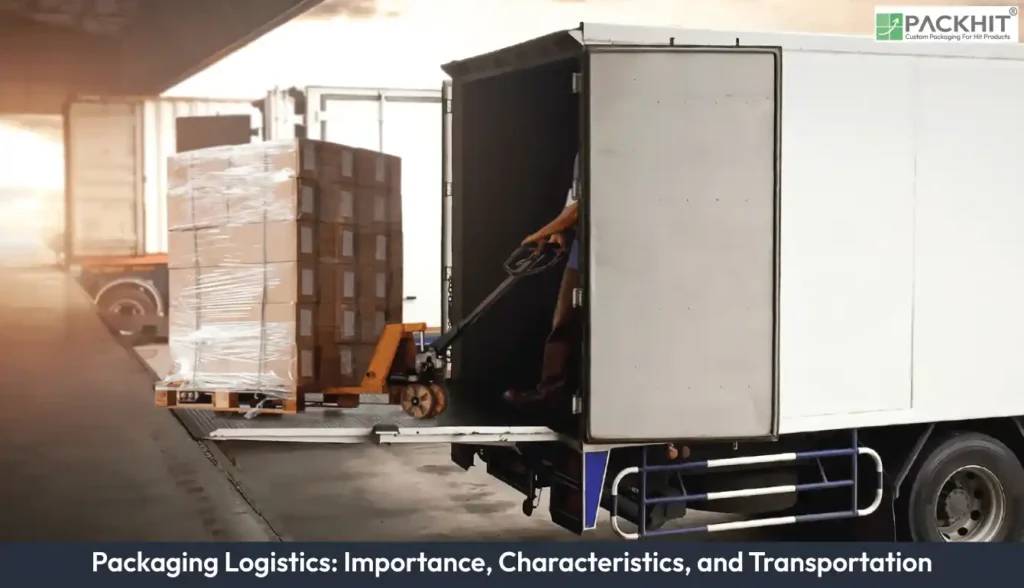
Packaging logistics integrates the design, procurement, coordination, and optimization of packaging systems within supply chain operations. It can help ensure the safe, efficient, and cost-effective movement of goods while addressing storage, transportation, and sustainability requirements. Aligning packaging processes with broader logistics functions helps enhance operational efficiency, reduce costs, and support environmental goals. This discipline is critical for manufacturers managing tangible products, as it can directly impact material procurement, space utilization, and product protection during transit.
- What is Packaging Logistics?
- Why is Packaging Logistics Important?
- Impact on Supply Chain Efficiency
- Enhancing Product Safety and Integrity
- Optimizing Total Packaging Costs
- Adapting to Sustainability Requirements
- What are the Characteristics of Effective Packaging Logistics?
- How Does Packaging Logistics Support Transportation?
- Space-Saving and Safety Measures
- Integration with Logistics Systems
- Environmental Impact and Sustainability
- Risk Mitigation and Damage Prevention
- Economic Efficiency in Transit
- Challenges in Packaging Logistics
What is Packaging Logistics?
Packaging logistics refers to the systematic management of packaging activities within the supply chain. Unlike traditional logistics, which primarily focuses on the movement of goods, packaging logistics tends to emphasize the role of packaging as a functional component of the supply chain. This includes material selection, design, and integration with storage and transportation systems.
Packaging Logistics Workflow
Executing an effective packaging logistics strategy often requires a systematic workflow that bridges the gap between production and delivery. Manufacturers may find that following a standardized logistics checklist helps maintain consistency, reduces handling errors, and ensures that packaging is optimized for every stage of the supply chain:
- Coordination Points: Aligning procurement timelines with production schedules is often critical. This ensures that the right packaging materials are available when production runs begin, potentially preventing costly bottlenecks or delays in the assembly line.
- Packing Standards: Establishing clear, uniform handling and packing standards, such as specific sealing techniques, label placement, and palletizing patterns, can help ensure compatibility with automated warehouse systems and reduce the likelihood of transit damage.
- Storage-to-Transport Handoff: The transition from warehouse storage to transport vehicles is a frequent point of failure. Proper staging protocols, such as verifying pallet stability, conducting weight distribution checks, and ensuring loading dock readiness, may significantly mitigate risks during this critical handoff.
- Transportation Constraint Considerations: Every mode of transport typically comes with specific constraints, such as trailer height limits, weight restrictions, or temperature sensitivity. Designing packaging to account for these specific logistical requirements can help manufacturers maximize load density while adhering to carrier safety regulations.
Why is Packaging Logistics Important?
Properly managed packaging logistics can help improve the speed, safety, and cost-effectiveness of goods movement. It is typically vital for manufacturers handling high-volume or fragile products, where packaging can directly influence storage density, transportation costs, and product integrity. Additionally, it potentially supports sustainability initiatives by reducing material waste and promoting the use of recyclable or biodegradable materials.
Impact on Supply Chain Efficiency
Efficient packaging logistics help enhance supply chain performance by optimizing space utilization, potentially reducing material costs, and helping ensure timely delivery. For example, lightweight shipper pallets and paper-based packaging solutions can support lower transportation expenses while maintaining product safety. Also, structured and routine processes in packaging logistics help reduce errors and delays, potentially contributing to overall operational reliability.
Enhancing Product Safety and Integrity
Robust packaging logistics can often serve as the first line of defense against physical damage during transit. By utilizing structural designs that account for vibration, compression, and impact, companies may significantly lower return rates. Proper protection generally ensures that the product reaches the end customer in the condition intended, which can help maintain brand reputation and minimize the costs associated with damaged inventory.
Optimizing Total Packaging Costs
Logistics management can often provide opportunities to reduce overall operational expenses. This may involve material substitution, such as using paperboard instead of rigid board, or automating assembly lines to lower labor requirements. By streamlining design elements and consolidating shipments, organizations can typically reduce freight expenses and improve their bottom line, while avoiding the risks of under-engineering that lead to costly claims.
Adapting to Sustainability Requirements
Modern packaging logistics often integrates sustainability as a core operational goal. By selecting recyclable or biodegradable materials and optimizing shipping routes to reduce the carbon footprint, businesses can better align with environmental regulations and consumer preferences. This approach generally requires a balance between material durability and the ease of recycling, ensuring that logistics strategies support broader environmental commitments without sacrificing performance.
Investing in optimized packaging logistics often requires significant upfront capital and complex coordination, which can strain short-term budgets and offset immediate savings if demand fluctuates unexpectedly.
What are the Characteristics of Effective Packaging Logistics?
Effective packaging logistics is typically characterized by several key features, including adaptability, cost-effectiveness, and sustainability. These characteristics may ensure that packaging solutions meet the diverse needs of manufacturers while supporting broader supply chain objectives.
- Adaptability and Customization: High adaptability can allow packaging logistics to cater to a wide range of product types and requirements. Custom packaging may accommodate varying dimensions, weights, and fragility levels, potentially ensuring optimal protection and efficiency. This flexibility is often important for industries with diverse product portfolios, such as e-commerce and manufacturing.
- Cost-Effectiveness: Cost-effectiveness is typically a fundamental goal of packaging logistics. By procuring materials in bulk and streamlining packaging processes, companies can often achieve significant cost savings. For example, using lightweight materials may reduce shipping expenses, while efficient designs can minimize material waste.
- Sustainability: Sustainability is an increasingly important consideration in packaging logistics. Long-term solutions, such as recyclable materials and energy-efficient production methods, may support environmental goals while meeting consumer expectations. For instance, paper-based packaging can offer a biodegradable alternative to plastic, potentially reducing environmental impact.
High adaptability, cost-effectiveness, and sustainability often conflict, as custom packaging for diverse products drives up expenses, while bulk material savings or eco-friendly alternatives can compromise specialized product protection or may increase upfront material costs.
How Does Packaging Logistics Support Transportation?
Transportation is often considered a core component of packaging logistics, as it involves the movement of goods from manufacturers to end-users. Packaging logistics typically ensure that products are securely packed to withstand the rigors of transit, including vibration, compression, and environmental factors. Optimizing packaging dimensions and materials can reduce freight costs and maximize vehicle load capacity.
Space-Saving and Safety Measures
Properly designed packaging systems can enable goods to be stored and shipped in a space-saving manner, potentially reducing warehouse and transportation costs. For instance, modular packaging designs may allow for efficient stacking and minimize unused space. Additionally, robust packaging materials tend to protect products from damage, helping ensure safe delivery and potentially reducing the risk of returns or replacements.
Integration with Logistics Systems
Packaging logistics often integrates with storage and transportation systems to streamline operations. This can include the use of advanced tracking technologies and automated handling equipment to improve accuracy and efficiency. For example, RFID-enabled packaging can help provide real-time data on product location and condition, potentially enhancing supply chain visibility.
Environmental Impact and Sustainability
Logistics operations may increasingly incorporate sustainable practices to minimize the carbon footprint of transportation. This often involves choosing lightweight, recyclable materials that reduce the overall energy required for shipping. By optimizing transport routes and maximizing vehicle fill rates, companies can potentially decrease fuel consumption and greenhouse gas emissions, aligning operational efficiency with broader environmental responsibility.
Risk Mitigation and Damage Prevention
To safeguard products and maintain brand reputation, manufacturers must execute specific transit tests that directly address the hazards of their distribution environment. When shipping via e-commerce routes involving repeated manual transfers, performing drop tests prevents panel deformation, closure integrity loss, and internal shifting. For palletized loads intended for warehousing, compression testing is required to isolate and prevent peak load, panel bow, and edge-crush damage caused by vertical stacking forces. Additionally, when products are exposed to transit movement, vibration tests are necessary to prevent dividers from loosening, graphics from scuffing, and caps from backing off during transport. Addressing these potential hazards through validated testing reduces return rates and ensures products arrive in optimal condition.
Economic Efficiency in Transit
Optimizing packaging for transportation is often directly linked to cost management. Strategic adjustments, such as reducing the dimensional weight of packages or consolidating shipments, can significantly lower freight and delivery expenses. By refining structural designs to eliminate unnecessary bulk while maintaining necessary protection, businesses can achieve better load density and improve the overall cost-effectiveness of their logistics network.
Implementing these advanced, space-saving, and tech-integrated packaging systems may require a high initial investment in specialized materials and infrastructure, which can outweigh short-term savings for smaller operations.
Challenges in Packaging Logistics
Despite its benefits, packaging logistics often faces several challenges that require continuous optimization. These may include balancing cost and quality, addressing sustainability demands, and managing complex supply chain dynamics. Each sub-area of logistics, including packaging, typically must adapt to evolving market conditions and technological advancements to remain effective.
Balancing Cost and Quality
Balancing cost without compromising quality can be a persistent challenge in packaging logistics. While bulk procurement often reduces material costs, it may limit flexibility in design and customization. Companies typically must carefully evaluate trade-offs to ensure optimal outcomes.
Sustainability Pressures
The growing pressure of sustainability can present both opportunities and challenges. While adopting eco-friendly materials and practices may enhance brand reputation, it often involves higher initial costs and logistical complexities. Companies typically must invest in research and development to identify cost-effective, sustainable solutions.
Complex Supply Chain Dynamics
The integration of packaging logistics with broader supply chain dynamics often requires effective coordination and communication. Misalignment between packaging, storage, and transportation processes can lead to potential inefficiencies and increased costs. Advanced planning and real-time data sharing are typically essential to address these challenges.